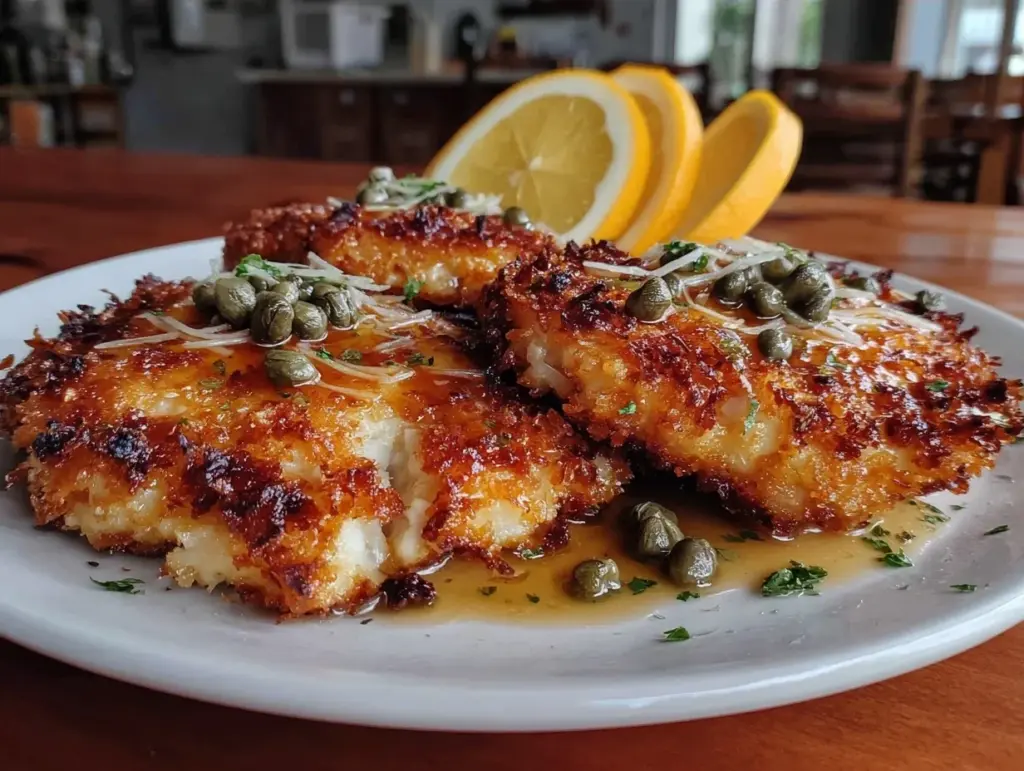
My grandmother’s kitchen always smelled like browned butter and warm bread crumbs. It was a specific, comforting scent that meant one thing: it was time to slow down. I remember sitting at her chipped Formica table, watching her hands move with a rhythm that seemed almost musical. She wasn’t rushing. She wasn’t checking her phone. She was focused on the pork cutlets, dusting them in flour, dipping them in egg, and pressing them into those golden, crunchy crumbs. I used to think it was just dinner. Now I realize it was her way of showing love.
That memory is why I make this Oktoberfest Schnitzel recipe. It’s not just about getting dinner on the table; it’s about reconnecting with that sense of calm and tradition. When I first tried to recreate it in my own kitchen, I failed miserably. The breading slid off in the pan. The meat was tough. I was frustrated, convinced I’d lost the secret ingredient. But after a few more attempts—and a lot of burnt butter warnings from my husband—I figured it out. It’s not about speed. It’s about patience and technique.
This Oktoberfest Schnitzel recipe is the heart of a proper German feast. It’s about that perfect crunch that shatters when you bite into it, revealing tender, juicy pork underneath. It’s not a quick weeknight hack. It’s a weekend project. It’s the kind of dish that brings people together, just like my grandmother’s table did. If you’re looking for a meal that feels special, indulgent, and deeply satisfying, this is it. I’ve made this crispy pork dinner enough times to know exactly what works, and I’m excited to share those secrets with you.
Why You’ll Love This Crispy Pork Dinner
There’s something deeply rewarding about making schnitzel from scratch. It’s a process, but the payoff is worth every minute. Here’s why this Oktoberfest Schnitzel recipe has earned a permanent spot in my weekly rotation.
Unbeatable Crunch — The breading stays crisp even after sitting for a few minutes. I’ve tested this with panko, regular breadcrumbs, and a mix. The traditional way with fine, dry breadcrumbs creates the best texture because it absorbs less oil but still creates a shattering crust. It’s not soggy like takeout; it’s genuinely crunchy.
Tender, Juicy Meat — By pounding the pork cutlets thin, we ensure even cooking. No more dry, rubbery centers. The meat stays succulent because it cooks so quickly in the hot butter. It’s the contrast between the crisp exterior and the soft interior that makes this Oktoberfest Schnitzel recipe so addictive.
Rich, Nutty Flavor — Using clarified butter (or just being careful with regular butter) prevents burning while adding a rich, nutty aroma. This isn’t just fried pork; it’s fried in butter that smells like a bakery. The flavor profile is simple but sophisticated, letting the quality of the pork shine through.
Perfect for Gathering — This crispy pork dinner is a centerpiece. It looks impressive on the plate but is actually quite simple to prepare once you get the hang of the breading station. It’s perfect for dinner parties, holidays, or just treating yourself to something special on a Friday night.
Customizable Sides — While traditional sides like potato salad are classic, this recipe pairs beautifully with almost anything. You can serve it with the watermelon feta salad for a fresh contrast, or stick to classic roasted vegetables. It’s versatile enough to fit any menu.
This is my go-to when I want to feel like I’m dining in Munich, even if I’m just in my suburban kitchen. It’s comfort food at its finest.
Key Ingredients for Authentic Schnitzel
Getting the ingredients right is half the battle. You don’t need fancy imports, but you do need quality components. Here’s what you’ll need for this Oktoberfest Schnitzel recipe.
Pork Cutlets (2 lbs, 900g) — You need boneless, skinless pork loin cutlets. If your butcher doesn’t offer them, buy pork loins and pound them yourself. They should be about 1/4-inch thick. Thicker cuts will dry out before they cook through. Look for pale pink meat with no gray spots.
All-Purpose Flour (1 cup, 120g) — For dredging. It creates a sticky base for the egg to adhere to. Don’t skip this step; it’s crucial for keeping the breading on. If you need a gluten-free option, use a 1:1 gluten-free flour blend, though the texture will be slightly different.
Eggs (3 large / 150g liquid) — Whisked with a pinch of salt and water. The water helps thin the egg wash, making it easier to coat the cutlets evenly. Some people add a splash of milk, but I find water keeps the crust lighter and less cakey.
Dry Breadcrumbs (2 cups, 180g) — Traditional German panko or fine dry breadcrumbs work best. Avoid seasoned breadcrumbs; you want a neutral canvas. If you can’t find fine breadcrumbs, pulse regular panko in a food processor until it’s powdery. This finer texture mimics the traditional style.
Butter (1 cup, 225g) — Yes, a whole cup. Clarified butter is ideal because it has a higher smoke point and won’t burn as easily. If you use regular salted butter, you must be vigilant about the heat. The butter should be golden and foamy, not brown or black. This is where the flavor comes from.
Lemon (2 lemons, cut into wedges) — Served on the side. The acidity cuts through the richness of the fried pork and butter. It’s not optional in my book. A squeeze of fresh lemon juice is essential for balance.
Salt and White Pepper — Kosher salt for seasoning the meat and the breading. White pepper is traditional in German cuisine and adds a subtle heat without the black specks. If you don’t have it, black pepper works, but white is more authentic.
Tools Needed for Crispy Success
You don’t need fancy equipment. Here’s what I use to make this Oktoberfest Schnitzel recipe smoothly.
Large Skillet — I use a 12-inch cast iron skillet or a large stainless steel pan. You need enough surface area to cook the cutlets in a single layer without crowding. Crowding lowers the oil temperature and leads to soggy breading.
Meat Mallet — A heavy-duty mallet with a textured side is best for pounding the pork. If you don’t have one, a heavy rolling pin works. The goal is even thickness, not shredding the meat.
Three Shallow Bowls — One for flour, one for egg wash, and one for breadcrumbs. Shallow bowls make dredging easier. Wide mouths allow you to flip the cutlets without losing crumbs.
Wire Rack — A wire cooling rack set over a baking sheet is essential. Placing cooked schnitzel on paper towels traps steam and makes the bottom soggy. The rack keeps the air circulating, preserving the crunch.
Instant-Read Thermometer — While you can cook by eye, a thermometer ensures the pork reaches 145°F (63°C). This prevents overcooking and guarantees juicy results.
How to Make the Best Crispy Pork Dinner
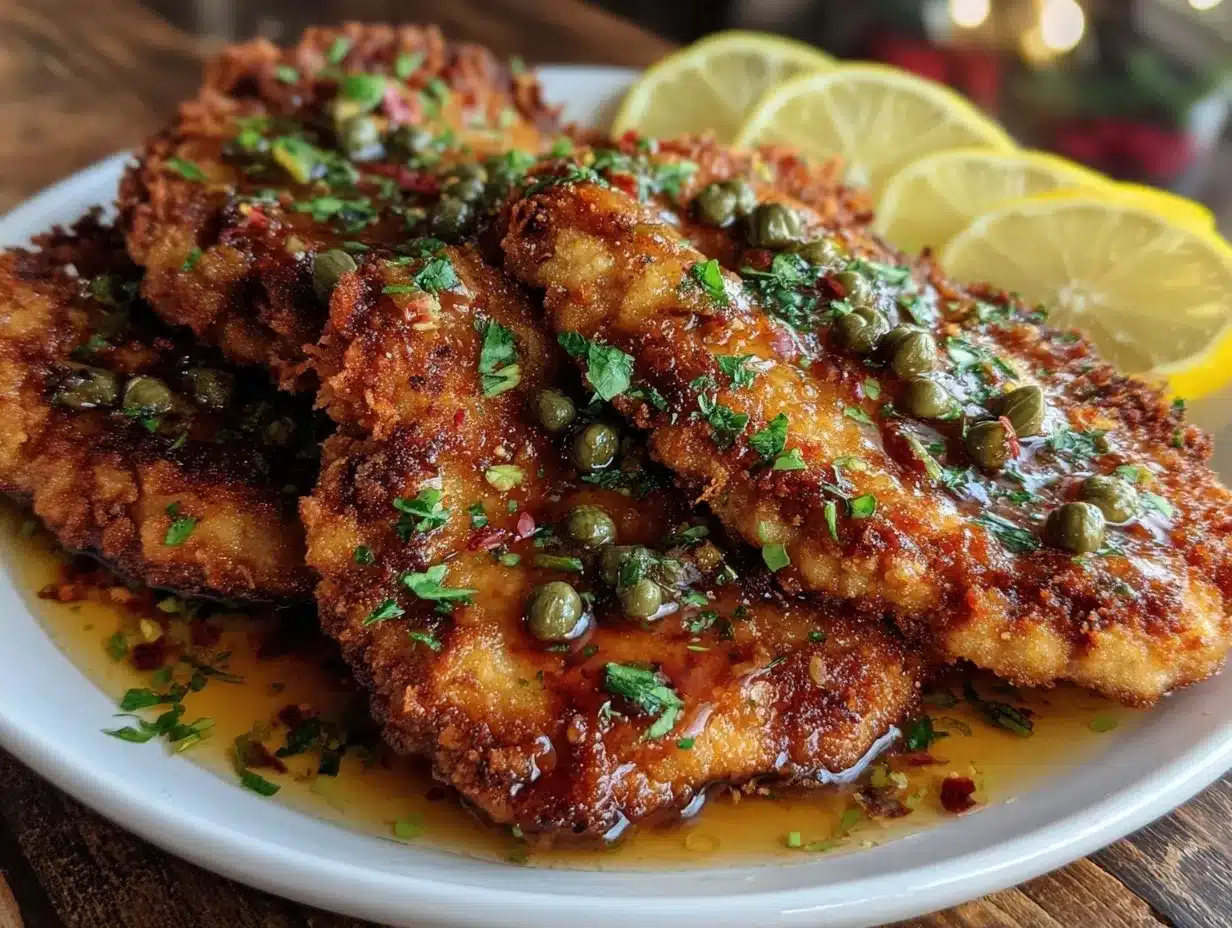
Let’s walk through the process. Take your time. This isn’t a race.
Step 1: Prepare the Pork (10 minutes)
Pat the pork cutlets dry with paper towels. Moisture is the enemy of breading. Place them between two sheets of plastic wrap or in a heavy-duty zip-top bag. Using the flat side of your meat mallet, pound each cutlet until it’s about 1/4-inch thick. You’ll see the fibers loosen and the meat expand. Season both sides generously with salt and white pepper. This step is critical for tenderness.
Step 2: Set Up Your Breading Station (5 minutes)
Arrange three shallow bowls in a row. Bowl 1: Flour. Bowl 2: Whisked eggs and water. Bowl 3: Breadcrumbs. Season the flour and breadcrumbs with a little salt and pepper. Having everything ready before you start prevents the cutlets from getting soggy while you’re waiting for the next step.
Step 3: Dredge the Cutlets (10 minutes)
Take a cutlet and dredge it in flour, shaking off any excess. The flour should be a light dusting, not a thick clump. Dip it into the egg wash, ensuring it’s fully coated. Let the excess drip off for a second. Then press it into the breadcrumbs. Use your fingers to gently press the crumbs onto the meat, ensuring full coverage. Flip and repeat. Place the breaded cutlet on a clean plate. Repeat with all cutlets. You should have a row of perfectly coated pork waiting for the pan.
Step 4: Heat the Butter (5 minutes)
Heat your large skillet over medium-high heat. Add the butter. Wait for it to melt and foam. If using regular butter, watch it closely. You want it to be hot but not smoking. If it starts to brown, lower the heat immediately. The butter should be golden and aromatic. If it smells like burnt toast, start over. Burnt butter ruins the dish.
Step 5: Fry the Schnitzel (10-12 minutes total)
Carefully lay the cutlets into the hot butter. Do not overcrowd the pan; cook in batches if necessary. The schnitzel should sizzle immediately. Cook for 3-4 minutes per side. You’ll know it’s time to flip when the edges are golden brown and the breading is crisp. Press down gently with a spatula to ensure even browning. The internal temperature should reach 145°F (63°C). Transfer to the wire rack immediately. Do not stack them. Let them rest for 2-3 minutes before serving. This allows the juices to redistribute.
Total time: About 45 minutes. This includes prep and cooking. It’s a substantial effort, but the result is a crispy pork dinner that rivals any German restaurant.
Expert Tips from My Kitchen
Here’s everything I learned from making this too many times.
Don’t Skip the Resting Time
I used to serve the schnitzel straight from the pan, thinking that was the crispiest. I was wrong. The residual heat continues to cook the meat, and the crust softens if trapped in steam. Resting on a wire rack keeps it crisp. It’s a small step that makes a big difference.
Butter Temperature is Key
If your butter is too cool, the schnitzel will absorb too much oil and become greasy. If it’s too hot, the breading will burn before the meat cooks. Find that sweet spot: medium-high heat, foaming butter, no smoke. Listen to the sizzle. It should be a steady, gentle pop, not a violent roar.
Use a Wire Rack, Not Paper Towels
Paper towels absorb moisture, which sounds good, but they also trap steam against the bottom of the schnitzel. This turns your crispy crust into a soggy mess. A wire rack allows air to circulate, keeping the entire cutlet crunchy.
Common Problems & Solutions
Breading falls off: This usually happens because the cutlet wasn’t dry enough or the flour layer was too thick. Pat the meat dry and use a light dusting of flour.
Schnitzel is greasy: The oil temperature was too low. Make sure your butter is hot before adding the meat.
Breading burns: The heat was too high. Lower the temperature slightly. Butter burns easily, so be patient.
Recipe Variations to Mix It Up
Once you’ve nailed the basic version, here’s how to mix it up.
Veal Schnitzel
Traditionally, schnitzel is made with veal. It’s more tender and delicate than pork. If you can find it, try it. It’s more expensive but worth it for a special occasion.
Chicken Schnitzel
Chicken breast cutlets work beautifully. They cook faster, so reduce the cooking time to 2-3 minutes per side. The texture is slightly less rich but still delicious.
Spiced Breadcrumbs
Add a teaspoon of caraway seeds or paprika to the breadcrumbs for a German-inspired twist. It adds depth without overpowering the pork.
Gluten-Free Option
Use gluten-free breadcrumbs and flour. The texture will be slightly crunchier, but it still works. I’ve made this for friends with celiac disease, and they loved it.
Vegetarian Version
Try it with thick slices of portobello mushrooms or eggplant. The breading technique is the same. The mushrooms take on the buttery flavor beautifully.
Serving & Storage
Serving:
Serve the Oktoberfest Schnitzel immediately with lemon wedges. Traditional sides include potato salad, spaetzle, or red cabbage. For a lighter option, try the grilled corn salad for a fresh, smoky contrast. Garnish with fresh parsley if you like.
Storage:
This dish is best fresh. It doesn’t store well because the breading loses its crunch. If you must store leftovers, keep them in an airtight container in the fridge for up to 2 days. Reheat in an oven or air fryer at 375°F (190°C) for 5-7 minutes to restore crispiness. Do not microwave; it will make the breading chewy and soggy. This crispy pork dinner is meant to be eaten hot, right off the rack.
Nutrition Information
I’m not a nutritionist, but here’s the breakdown per serving (2 cutlets): Calories: 650, Protein: 40g, Carbs: 35g, Fiber: 2g, Fat: 38g, Sodium: 500mg.
My Take:
This is indulgent food. It’s fried in butter and coated in carbs. It’s not diet food. But it’s homemade, so you know exactly what’s in it. It’s a treat, not a daily staple. Enjoy it as part of a balanced meal with plenty of vegetables.
Final Thoughts
Making this Oktoberfest Schnitzel recipe is more than just cooking. It’s a ritual. It’s about slowing down, paying attention, and creating something beautiful. I hope it brings as much joy to your table as it has to mine. Don’t be afraid to experiment with sides or spices. Make it your own. If you try this, I’d love to hear how it turns out. Drop a comment below and let me know if your breading stayed crisp!
Happy cooking!
FAQs
Can I use panko breadcrumbs instead of traditional ones?
Yes, but I recommend pulsing them in a food processor first. Traditional German schnitzel uses fine, dry breadcrumbs. Panko is coarser and can create a chunkier crust. If you use it as-is, the texture will be different, but still tasty. For the most authentic result, fine breadcrumbs are best.
Why did my schnitzel breading fall off in the pan?
This usually happens for two reasons. First, the pork wasn’t dry enough before dredging. Moisture prevents the flour from sticking. Second, you might have used too much flour. Shake off the excess flour before dipping in egg. A light, even coat is key.
Can I make this ahead of time?
You can bread the cutlets up to 4 hours in advance and keep them covered in the fridge. However, do not cook them until you’re ready to serve. The breading will absorb moisture from the fridge and become soggy if left too long. Cook them fresh for the best crunch.
What is the best way to reheat leftover schnitzel?
Avoid the microwave. Use an oven or air fryer at 375°F (190°C) for 5-7 minutes. This will crisp up the breading again. If you don’t have these, a skillet over medium heat with a little butter can work, but it’s more hands-on.
Can I make this with chicken instead of pork?
Absolutely. Chicken schnitzel is very common. Use chicken breast cutlets, pounded thin. Cook for 2-3 minutes per side, as chicken cooks faster than pork. The technique is identical.
Pin This Recipe!
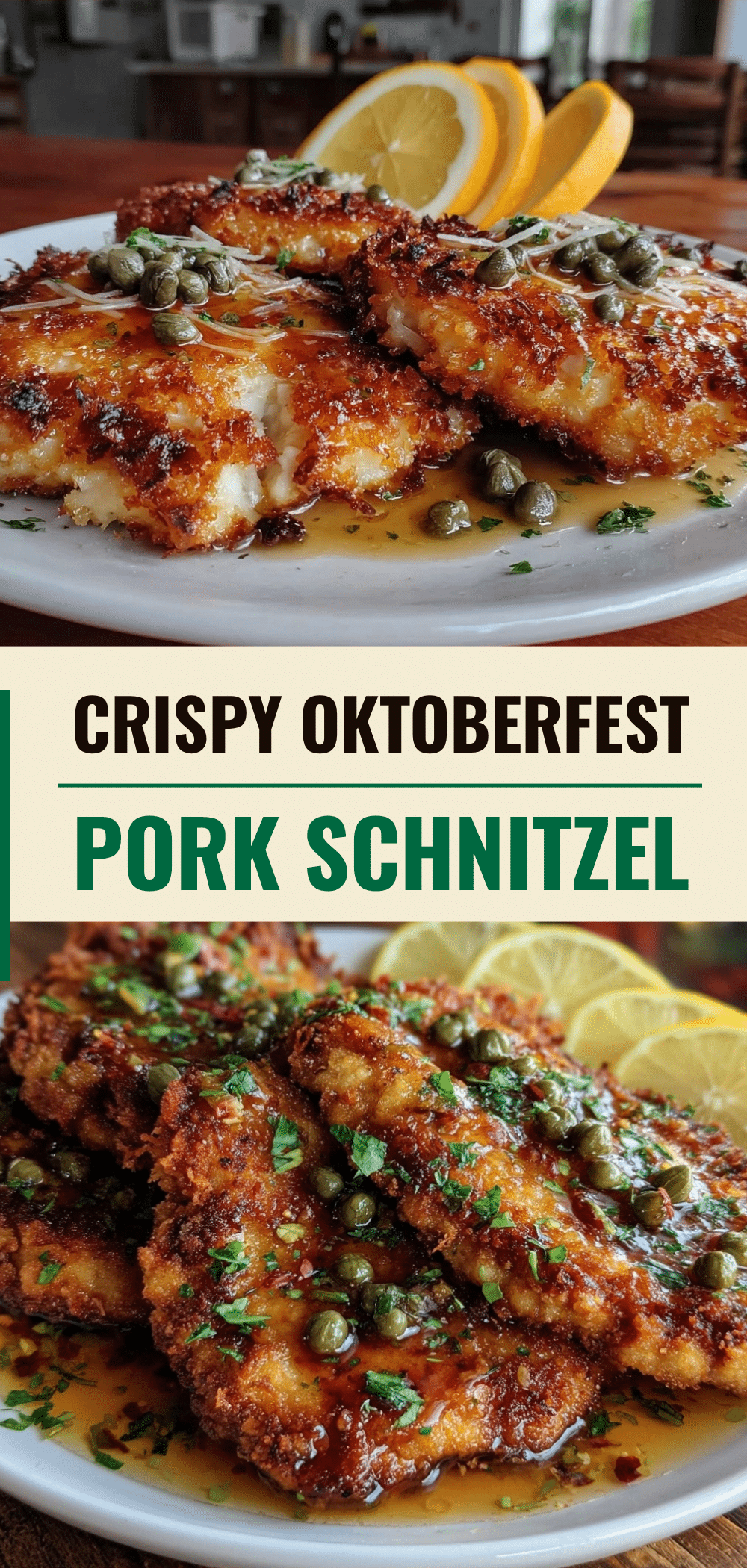
Oktoberfest Schnitzel: My Grandmas Crispy Pork Recipe
- Total Time: 45 minutes
- Yield: 4 servings 1x
Description
A traditional German crispy pork schnitzel recipe featuring tender, pounded pork cutlets coated in fine breadcrumbs and fried in clarified butter for an authentic, shattering crunch.
Ingredients
- 2 lbs (900g) boneless, skinless pork loin cutlets
- 1 cup (120g) all-purpose flour
- 3 large eggs (150g liquid), whisked with a pinch of salt and water
- 2 cups (180g) dry fine breadcrumbs or traditional German panko
- 1 cup (225g) clarified butter or salted butter
- 2 lemons, cut into wedges
- Kosher salt
- White pepper
Instructions
- Pat pork cutlets dry with paper towels. Place between plastic wrap or in a zip-top bag and pound to 1/4-inch thickness using a meat mallet.
- Season both sides of the pounded cutlets generously with salt and white pepper.
- Set up a breading station with three shallow bowls: one with flour, one with whisked eggs and water, and one with breadcrumbs. Season the flour and breadcrumbs with salt and pepper.
- Dredge each cutlet in flour, shaking off excess. Dip into the egg wash, letting excess drip off, then press firmly into breadcrumbs to coat evenly on both sides.
- Heat butter in a large 12-inch skillet over medium-high heat until melted, foamy, and golden but not smoking.
- Fry cutlets in batches to avoid crowding, cooking for 3-4 minutes per side until golden brown and crisp.
- Ensure internal temperature reaches 145°F (63°C).
- Transfer cooked schnitzel to a wire rack set over a baking sheet. Do not stack or use paper towels.
- Let rest for 2-3 minutes before serving immediately with lemon wedges.
Notes
Use clarified butter for a higher smoke point and nuttier flavor. Do not overcrowd the pan to ensure the breading stays crisp. Resting on a wire rack is essential to prevent sogginess; avoid paper towels. For gluten-free, use 1:1 gluten-free flour and breadcrumbs.
- Prep Time: 25 minutes
- Cook Time: 20 minutes
- Category: Main Course
- Cuisine: German
Nutrition
- Serving Size: 2 cutlets per servin
- Calories: 650
- Sugar: 1
- Sodium: 500
- Fat: 38
- Saturated Fat: 15
- Carbohydrates: 35
- Fiber: 2
- Protein: 40
Keywords: Oktoberfest Schnitzel, crispy pork, German recipe, pork cutlets, fried pork, schnitzel recipe, traditional German food