I still remember the exact smell of my grandmother’s kitchen on a humid July afternoon in Georgia. It wasn’t just the sweet scent of vanilla or the warm yeast of rising bread. It was something deeper, nuttier, almost like toasted marshmallows mixed with old books. My grandmother was making her famous caramel cake, and I was eight years old, sitting on a flour-dusted counter, swinging my legs and watching her work.
She didn’t use a mixer. She used a wooden spoon and a whole lot of elbow grease. And she didn’t just pour caramel over the top. She browned the butter first. That was the secret. The butter turned golden, then amber, then the color of a deep autumn leaf, and when she whisked it into the sugar and cream, the whole house smelled like a five-star bakery. I ate a slice that night and thought it was magic. I didn’t understand the chemistry of Maillard reactions or how caramelization changes flavor profiles. I just knew it was the best thing I’d ever tasted.
Fast forward thirty years. I’ve tried every recipe book, every Pinterest pin, and every “best ever” claim on the internet. I’ve made cakes that were dry as sawdust and frostings that split into oily puddles. But I never quite got *that* taste. Not until last weekend.
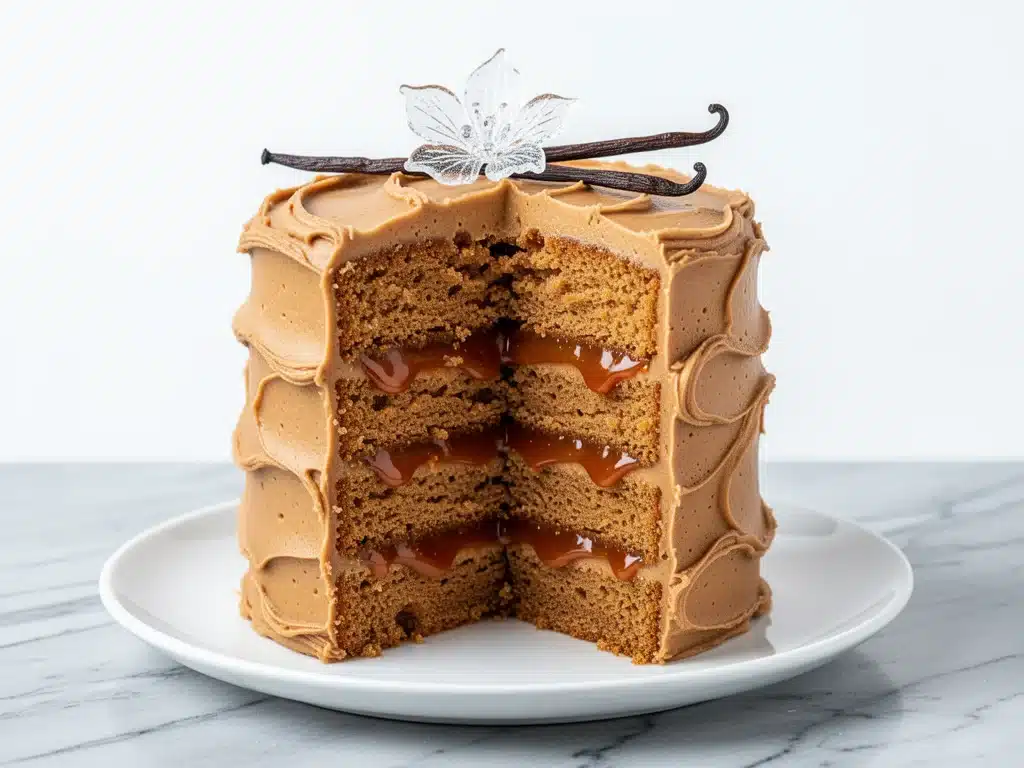
I decided to tackle the Classic Southern Caramel Cake with Brown Butter Frosting again, but this time, I was serious. I wanted the tender crumb, the gooey caramel center, and that frosting that tastes like buttery toffee but isn’t cloyingly sweet. I burned the butter once. I overmixed the batter twice. I even forgot to let the cake cool completely once and ended up with a frosting that slid right off (embarrassing, but necessary). But on my third try? It was perfect. It was moist, rich, and honestly, it made my husband stop mid-sentence and just stare at me like I’d performed a miracle.
This isn’t just a cake. It’s a memory, refined. It’s the dessert that wins potlucks. It’s the treat that makes you feel like you’re sitting on a porch in the South, even if you’re in a tiny apartment in the city. And I’m going to walk you through exactly how to make it, so you can create your own memories with it.
Why You’ll Love This Caramel Cake
Look, there are plenty of chocolate cakes out there. There are dozens of lemon bars and banana breads. But there is something special about a caramel cake that feels like a hug. Here’s why this specific version—the one with brown butter frosting—is worth your time and oven space.
- It’s Actually Moist — I’m not talking about “oily wet.” I’m talking about a tender, fluffy crumb that stays soft for days. The buttermilk and browned butter do the heavy lifting here. I’ve made this cake three days ahead, and it was still moist enough to eat cold for breakfast. (Don’t judge me.)
- The Frosting is a Game-Changer — Most caramel frostings are just sweet and sticky. This one has depth. The browned butter adds a nutty, complex flavor that cuts through the sugar. It’s rich but not heavy. It spreads like silk and tastes like expensive candy.
- It’s a Crowd-Pleaser — I’ve served this to my picky eater uncle who only likes “plain” food, and he asked for the recipe. I’ve brought it to work, and by noon, the box was empty. It’s the kind of dessert that makes people close their eyes and take a second bite.
- It’s Surprisingly Approachable — You don’t need to be a professional baker. You don’t need fancy equipment. You just need patience with the butter and a willingness to follow steps. If you can melt butter and whisk cream, you can make this.
- It Tastes Better the Next Day — This is a common trait with caramel cakes. The flavors meld overnight. The caramel soaks into the cake layers, making them even more tender. I usually make it the night before a party, and it’s always the highlight.
This is my go-to when I need to impress without stress. It’s elegant enough for a wedding dessert but casual enough for a Tuesday night family dinner. Once you try it, you’ll understand why my grandmother kept it as her signature dish.
Ingredients You’ll Need
Here’s the thing about Southern baking: it’s simple. You don’t need twenty exotic ingredients from a specialty store. You need good basics, and you need to treat them right. Here’s what you’ll need for two 9-inch round cakes.
For the Cake Layers
All-purpose flour (3 cups / 375g) — Don’t skip the measuring. Spoon it into the cup and level it off. Too much flour makes a dense cake. I use Gold Medal or King Arthur, but any standard AP flour works.
Baking powder and baking soda (1 tsp / 5ml and 1 tsp / 5ml) — Fresh is key. If your baking powder has been in the cabinet since 2019, toss it. It needs to be active to make the cake rise properly.
Salt (1 tsp / 6g) — I use kosher salt. It enhances the sweetness without making it taste salty. Don’t use iodized table salt if you can help it; it has a metallic aftertaste.
Unsalted butter (1 cup / 226g, softened) — This is for the cake batter. It needs to be room temperature so it creams properly with the sugar. Cold butter = dense cake.
Granulated sugar (1 ½ cups / 300g) — Standard white sugar. Don’t try to substitute with brown sugar here; it changes the texture and moisture balance.
Eggs (4 large, room temperature) — Again, room temp is crucial. Cold eggs can cause the batter to curdle when mixed with butter. I take them out of the fridge 30 minutes before I start.
Vanilla extract (2 tsp / 10ml) — Use real vanilla, not imitation. It makes a huge difference in the flavor profile. I use Nielsen-Massey or McCormick Pure.
Buttermilk (1 ½ cups / 360ml) — This is the secret to the tender crumb. The acid in the buttermilk breaks down the gluten, making the cake soft. If you don’t have buttermilk, mix 1 ½ cups milk with 1 ½ tablespoons lemon juice or vinegar. Let it sit for 10 minutes.
For the Caramel Sauce
Unsalted butter (½ cup / 113g) — We’re using unsalted again to control the flavor.
Brown sugar (2 cups / 400g) — Pack it down firmly. Light or dark doesn’t matter much, but dark adds a slightly deeper molasses note.
Heavy cream (1 cup / 240ml) — Room temperature cream is best here. Cold cream can seize the hot caramel if you’re not careful.
Salt (1 tsp / 6g) — This balances the sweetness. Don’t skip it.
For the Brown Butter Frosting
Unsalted butter (1 cup / 226g) — This is the star. We’re going to brown it specifically for this frosting.
Powdered sugar (4 cups / 480g) — Sifted! I cannot stress this enough. Unsifted sugar leads to lumpy frosting. Use a fine-mesh sieve.
Heavy cream (3-4 tablespoons / 45-60ml) — Add gradually. You want a spreadable consistency, not a stiff dough.
Vanilla extract (1 tsp / 5ml) — Just a touch to tie it all together.
Salt (½ tsp / 3g) — To cut the sweetness of the powdered sugar.
Equipment Needed
You don’t need a fancy kitchen to make this. Here’s what I actually use.
Two 9-inch round cake pans — Grease and flour them, or line the bottoms with parchment paper. I always use parchment. It guarantees the cakes don’t stick. Trust me on this.
Large saucepan — For the caramel. Heavy-bottomed is best so the sugar doesn’t burn in spots. I use a stainless steel pan.
Stand mixer or hand mixer — For the cake batter and frosting. A stand mixer is easier, but a hand mixer works fine if you have the arm strength.
Whisk — Essential for the caramel and frosting. A silicone whisk is nice for scraping the bowl.
Cooling racks — You need these to cool the cakes completely. If you frost warm cakes, the frosting will melt. I have two wire racks that I keep on the counter.
Spatula — An offset spatula is great for frosting, but a regular one works if you’re careful.
Measuring cups and spoons — Be precise. Baking is science.
How to Make It: Step-by-Step
Alright, let’s get cooking. This recipe has three main parts: the cake, the caramel, and the frosting. I recommend making the cake first, then the caramel while the cakes cool, and finally the frosting once everything is at room temperature.
Step 1: Prep Your Pans and Oven
Preheat your oven to 350°F (175°C). Grease your two 9-inch cake pans with butter or non-stick spray. Dust with flour, tapping out the excess. Or, better yet, line the bottoms with parchment circles. This is the insurance policy against sticking.
Step 2: Mix the Dry Ingredients
In a medium bowl, whisk together the flour, baking powder, baking soda, and salt. Set this aside. It’s easy to forget this step, but having it ready makes the wet mixing faster and less stressful.
Step 3: Cream the Butter and Sugar
In a large bowl (or stand mixer), beat the softened butter and granulated sugar on medium-high speed for about 3-4 minutes. You want it light and fluffy. This incorporates air, which helps the cake rise. Scrape down the sides of the bowl with a spatula to ensure even mixing.
Step 4: Add Eggs and Vanilla
Add the eggs one at a time, beating well after each addition. Mix in the vanilla extract. The mixture might look slightly curdled—that’s normal. It will come together in the next step.
Step 5: Combine Wet and Dry
Reduce the mixer speed to low. Add the dry ingredients in three parts, alternating with the buttermilk in two parts. Start and end with the dry ingredients. Mix just until combined. Do not overmix! Overmixing develops gluten, and you’ll end up with a tough cake. Stop as soon as you see no more streaks of flour.
Step 6: Bake the Cakes
Divide the batter evenly between the two pans. Bake for 25-30 minutes. Check at 25 minutes. Insert a toothpick into the center. If it comes out clean or with just a few moist crumbs, it’s done. If it’s wet, give it 2-3 more minutes. Let the cakes cool in the pans for 10 minutes, then turn them out onto cooling racks to cool completely. This is crucial. Warm cakes = melted frosting.
Step 7: Make the Caramel Sauce
In a medium saucepan, melt the butter over medium heat. Add the brown sugar and stir constantly until it dissolves and bubbles. Let it simmer for 2-3 minutes, stirring often. Carefully pour in the heavy cream (it will bubble up violently, so be ready). Stir in the salt. Let it simmer for another 2 minutes until slightly thickened. Remove from heat and let it cool to room temperature. It will thicken more as it cools.
Step 8: Brown the Butter for Frosting
In a clean saucepan, melt the 1 cup of butter over medium heat. Watch it closely. It will foam up, then settle. Listen for a crackling sound. Smell for a nutty aroma. Once the butter turns a golden amber color and has little brown specks at the bottom, remove it from the heat immediately. Pour it into a heatproof bowl and let it cool until it’s just warm to the touch. If it’s too hot, it will melt the powdered sugar. If it’s too cold, it will clump.
Step 9: Make the Frosting
Once the browned butter is cooled, beat it in your mixer on medium speed until it’s creamy and pale (about 2 minutes). Gradually add the sifted powdered sugar, one cup at a time. Add the vanilla and salt. Pour in the heavy cream, one tablespoon at a time, until you reach your desired consistency. Beat on high for 2 minutes until fluffy.
Step 10: Assemble the Cake
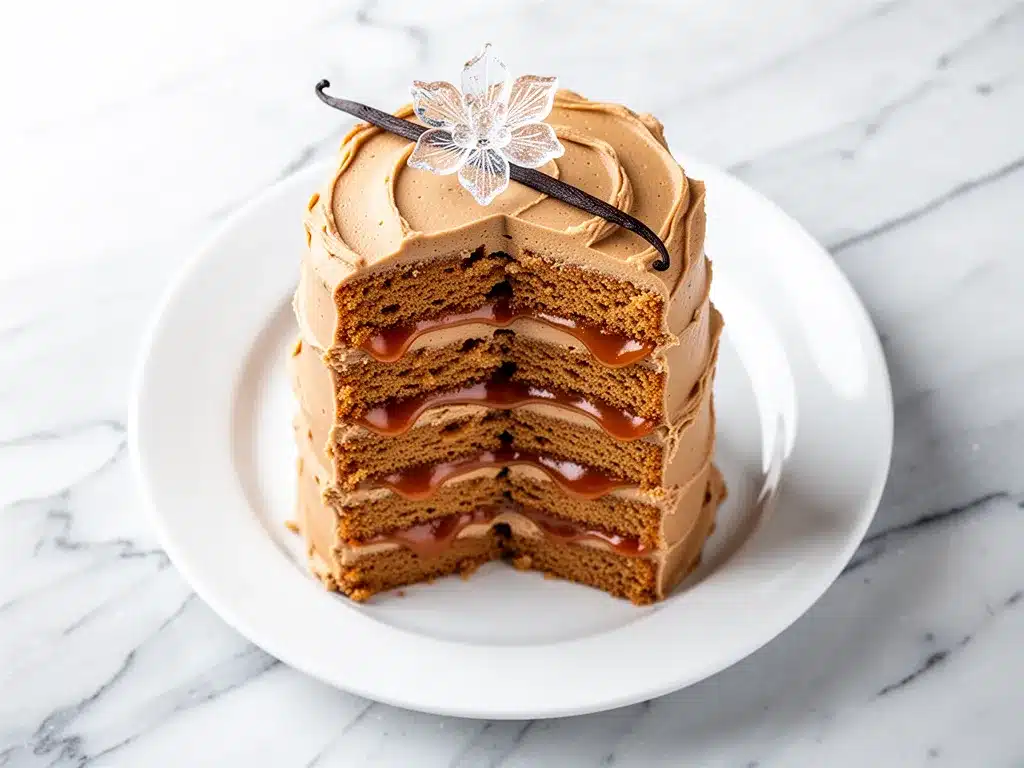
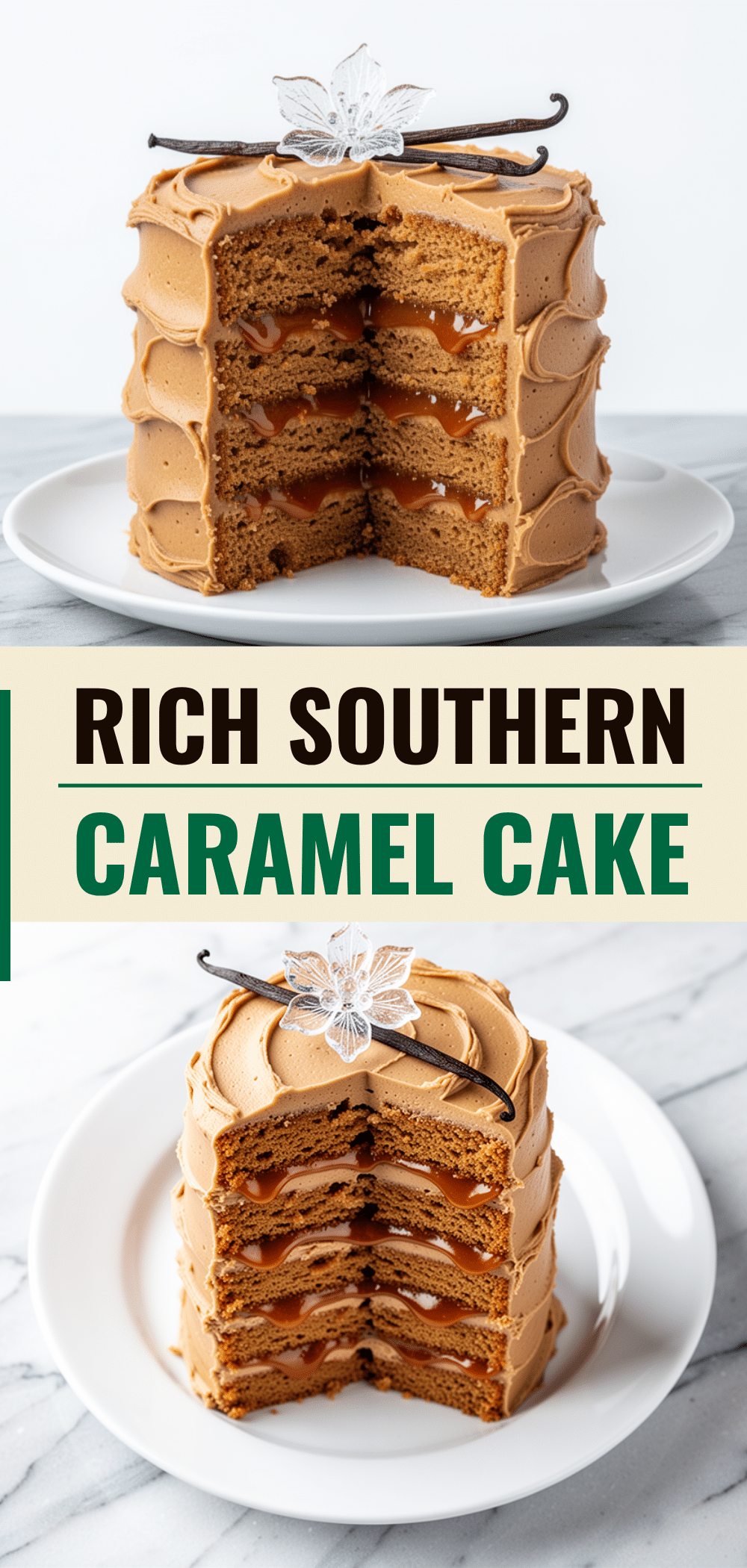
Place one cake layer on your serving plate. Spread a generous layer of caramel sauce over the top. Place the second cake layer on top. Frost the top and sides with the brown butter frosting. Decorate with a few salt flakes if you like. Slice and enjoy.
Expert Tips & Tricks
Here’s everything I’ve learned from making this cake dozens of times. These tips will save you from my mistakes.
Room Temperature Ingredients are Non-Negotiable
If your butter, eggs, or buttermilk are cold, your batter will not emulsify properly. The cake will be dense. I set everything out 30-60 minutes before I start. If you forget, you can warm the eggs in a bowl of warm water for 5 minutes.
Don’t Rush the Brown Butter
Browning butter is a delicate balance. It goes from perfect to burnt in seconds. Use a light-colored pan so you can see the color changes. If it smells like burnt toast, you’ve gone too far. Start over. It’s worth it.
Cool Completely Before Frosting
I know it’s tempting to frost it while it’s warm. Don’t. The residual heat will melt the frosting, and you’ll have a mess. Use a cake turntable if you have one—it makes frosting smoother.
Thicken the Caramel if Needed
If your caramel is too runny, it might slide off the cake. Let it cool completely. If it’s still thin, put it in the fridge for 15 minutes to thicken. It should be pourable but thick, like honey.
Store Properly
This cake has dairy and caramel, so it needs to be refrigerated. Cover it tightly with plastic wrap or put it in a cake carrier. It will last up to 4 days in the fridge. Bring it to room temperature 1 hour before serving for the best flavor and texture.
Variations & Substitutions
Once you’ve nailed the basic version, here’s how you can mix it up. I’ve tried all of these.
Chocolate Caramel Cake
Substitute ½ cup of the flour with unsweetened cocoa powder. Add ½ teaspoon of espresso powder to enhance the chocolate flavor. The brown butter pairs amazingly with chocolate.
Pumpkin Spice Version
Add 1 cup of pumpkin puree and 1 teaspoon of pumpkin pie spice to the batter. Reduce the buttermilk by ¼ cup. This is perfect for fall.
Gluten-Free Option
Use a 1:1 gluten-free flour blend. The texture might be slightly denser, but it still works. Make sure your baking powder is gluten-free.
Dairy-Free Version
This is trickier because of the brown butter, but you can use dairy-free butter sticks and coconut cream. The flavor will be different, but it’s still delicious.
Serving & Storage
How to Serve
I usually serve this straight from the fridge, but let it sit out for 30 minutes to soften. Pair it with a cup of coffee or tea. It’s also great with a scoop of vanilla ice cream if you want to go all out.
Storage
Refrigerate in an airtight container for up to 4 days. The caramel will harden in the fridge, so let it come to room temperature before serving.
Freezing
You can freeze the unfrosted cake layers for up to 3 months. Wrap them tightly in plastic wrap and foil. Thaw overnight in the fridge before frosting. I don’t recommend freezing the frosted cake, as the texture of the frosting can change.
Nutrition Information
I’m not a nutritionist, but here’s the breakdown if you’re tracking. This is a rich dessert, so portion control is key.
Per Serving (based on 12 slices):
- Calories: 650
- Protein: 6g
- Carbs: 85g
- Fat: 32g
- Sugar: 60g
It’s high in sugar and fat, obviously. But it’s homemade, so you know exactly what’s in it. I usually make it lighter by using less frosting or adding a layer of fresh fruit.
Final Thoughts
So that’s my Classic Southern Caramel Cake with Brown Butter Frosting. It’s taken me years to get this recipe right, but I’m so glad I stuck with it. It’s not just a cake; it’s a celebration. It’s for birthdays, holidays, and those moments when you just need something sweet to make the day better.
If you make this, I want to hear about it. Drop a comment and let me know how it turned out. Did you burn the butter? Did the caramel stick? I’m here to help. And if it’s perfect, well, I’m happy for you. Now go bake something amazing.
Frequently Asked Questions
Can I use salted butter?
You can, but reduce the added salt in the recipe by half. Unsalted is better so you control the sodium level.
Why did my caramel seize up?
Usually, this happens if cold cream is added to hot butter/sugar. Make sure your cream is room temperature. Also, stir constantly when adding the cream.
Can I make this ahead?
Yes! Make the cake layers and caramel sauce a day ahead. Store them separately in the fridge. Assemble and frost the day of.
Why is my frosting runny?
The browned butter might have been too warm when you mixed it with the powdered sugar. Let it cool until it’s just warm, not hot. Or, add more powdered sugar.
Can I use a different pan size?
You can use two 8-inch pans, but reduce the baking time by 5 minutes. Check frequently to avoid overbaking.
Is brown butter frosting too heavy?
It’s rich, but not heavy. The browning adds a nutty flavor that cuts the sweetness. If you find it too rich, add a splash more cream or a teaspoon of lemon juice to brighten it.
Pin This Recipe!
Classic Southern Caramel Cake: Best Brown Butter Frosting
- Total Time: 1 hour 30 minutes
- Yield: 12 servings 1x
Description
A moist, tender Southern caramel cake featuring a gooey caramel center and a rich, nutty brown butter frosting that tastes like buttery toffee.
Ingredients
- 3 cups (375g) all-purpose flour
- 1 tsp baking powder
- 1 tsp baking soda
- 1 tsp kosher salt (for cake)
- 1 cup (226g) unsalted butter, softened
- 1 ½ cups (300g) granulated sugar
- 4 large eggs, room temperature
- 2 tsp vanilla extract
- 1 ½ cups (360ml) buttermilk
- ½ cup (113g) unsalted butter (for caramel)
- 2 cups (400g) brown sugar, packed
- 1 cup (240ml) heavy cream, room temperature (for caramel)
- 1 tsp salt (for caramel)
- 1 cup (226g) unsalted butter (for frosting)
- 4 cups (480g) powdered sugar, sifted
- 3–4 tablespoons heavy cream (for frosting)
- 1 tsp vanilla extract (for frosting)
- ½ tsp salt (for frosting)
Instructions
- Preheat oven to 350°F (175°C). Grease and flour two 9-inch round cake pans, or line bottoms with parchment paper.
- In a medium bowl, whisk together flour, baking powder, baking soda, and salt. Set aside.
- In a large bowl or stand mixer, beat softened butter and granulated sugar on medium-high speed for 3-4 minutes until light and fluffy. Scrape down sides.
- Add eggs one at a time, beating well after each addition. Mix in vanilla extract.
- Reduce mixer speed to low. Add dry ingredients in three parts, alternating with buttermilk in two parts, starting and ending with dry ingredients. Mix just until combined.
- Divide batter evenly between pans. Bake for 25-30 minutes or until a toothpick inserted in the center comes out clean. Cool in pans for 10 minutes, then turn out onto cooling racks to cool completely.
- In a medium saucepan, melt ½ cup butter over medium heat. Add brown sugar and stir until dissolved and bubbling. Simmer 2-3 minutes. Carefully stir in heavy cream and salt. Simmer 2 more minutes until thickened. Cool to room temperature.
- In a clean saucepan, melt 1 cup butter over medium heat until it turns golden amber with brown specks and a nutty aroma. Pour into a heatproof bowl and cool until just warm.
- Beat cooled brown butter in mixer until creamy. Gradually add sifted powdered sugar, vanilla, and salt. Add heavy cream one tablespoon at a time until spreadable. Beat on high for 2 minutes until fluffy.
- Place one cake layer on serving plate. Spread caramel sauce over top. Add second layer. Frost top and sides with brown butter frosting. Serve.
Notes
Ensure all ingredients are at room temperature for proper emulsification. Do not rush browning the butter as it burns quickly. Cakes must cool completely before frosting to prevent melting. Caramel sauce should be thick like honey; refrigerate if too runny. Store covered in the fridge for up to 4 days.
- Prep Time: 30 minutes
- Cook Time: 30 minutes
- Category: Dessert
- Cuisine: Southern
Nutrition
- Serving Size: 1 slice
- Calories: 650
- Sugar: 60
- Sodium: 450
- Fat: 32
- Saturated Fat: 20
- Carbohydrates: 85
- Fiber: 1
- Protein: 6
Keywords: Southern caramel cake, brown butter frosting, homemade caramel, moist cake, dessert recipe, holiday baking