Last Thursday, I was standing in my kitchen at 6:45 PM, staring at a half-empty pantry and a growing pile of laundry. My kids had soccer practice, my husband was working late, and the only thing I wanted was something sweet that didn’t involve ordering takeout or fighting with a complicated dessert recipe. I didn’t want a soufflé. I didn’t want a layered cake that required three hours and a spirit animal. I just wanted a slice of warm, lemony comfort that I could throw together in the time it took to fold the laundry.
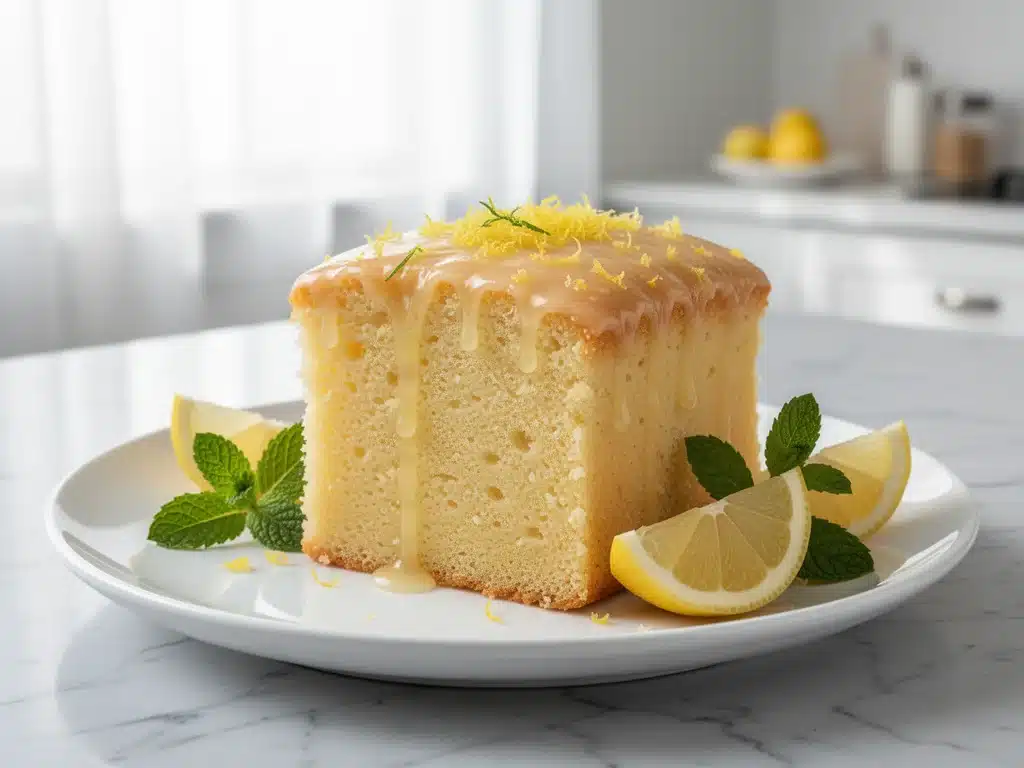
That was the moment I fell in love with this moist lemon pound cake with tangy lemon glaze. It’s not just a recipe; it’s my rescue mission for busy weeknights. I’ve made this cake at least twenty times in the last six months—sometimes when I’m exhausted, sometimes when I have guests, and sometimes just because I needed to smell like citrus to feel human again. It’s become my go-to answer for “what’s for dessert?” when I have zero energy but maximum craving.
Here’s the thing about pound cake: we’ve all had the dry, dense, sad versions that stick to the roof of your mouth. This one is different. It’s tender, moist, and bursting with bright lemon flavor without being sour. The tangy lemon glaze isn’t just decoration; it’s the secret weapon that keeps the cake soft for days. I’ve tested every variation, every oven temperature, and every glaze consistency, and this is the one that actually works. It’s easy, it’s fast, and it makes your whole house smell like a bakery.
I’m going to walk you through exactly how I make it, including the little tricks that keep it moist and the reasons why you’ll never buy store-bought cake mix again. Trust me, once you try this, you’ll wonder why you ever complicated dessert.
Why You’ll Love This Moist Lemon Pound Cake
This recipe has completely changed our evening routine. It’s not just about saving time; it’s about having a reliable, delicious dessert that doesn’t feel like a chore. Here’s why this moist lemon pound cake with tangy lemon glaze has earned a permanent spot in my weekly rotation:
- Stupid Simple — Seriously, if you can mix batter and squeeze a lemon, you can make this. I’ve made it while helping my kids with homework. No special techniques, no fancy equipment, just straightforward mixing and baking.
- Lightning Fast — 30 minutes from start to finish. That includes prep, baking time is longer, but active time is minimal. I start this when I walk in the door, and by the time I’m done with dinner cleanup, it’s cooling on the counter.
- Pantry-Friendly — You probably have all these ingredients already. Flour, sugar, butter, eggs, lemon. No obscure ingredients or trips to the store. This is the definition of a “I have this at home” recipe.
- Crowd-Pleaser — I’ve served this to my picky nephew, my food-snobbish mother-in-law, and my neighbor who claims she doesn’t like cake. Everyone asks for the recipe. The lemon flavor is bright but not overwhelming.
- Makes Amazing Leftovers — Actually tastes better the next day. The glaze seeps in and keeps it moist. I deliberately make extra for breakfast or afternoon snacks. It’s perfect with coffee or tea.
- Budget-Smart — Feeds 8-10 people for under $10. That’s less than a single slice of bakery cake. Homemade, fresh, and delicious without breaking the bank.
This is my go-to when I need dessert to just work. No stress, no mess, just reliable, delicious food that makes everyone happy. It’s the kind of recipe that reminds you why baking is fun.
Ingredients You’ll Need
Here’s the best part: you probably have most of this already. This moist lemon pound cake with tangy lemon glaze uses simple, everyday ingredients, but I’m particular about a few details that make the difference between good and great.
For the Cake:
Unsalted butter (1 cup / 225g, softened) — This is crucial. Softened means cool room temperature, not melted. I take it out of the fridge an hour before baking. If it’s melted, the cake will be dense. If it’s too cold, it won’t cream properly. Soft is the goal.
Granulated sugar (1 ½ cups / 300g) — Don’t skimp on sugar. It’s not just for sweetness; it helps create the tender crumb. I’ve tried reducing it, and the texture suffers. Trust the recipe.
Eggs (4 large, room temperature) — Room temperature eggs blend into the batter better. Cold eggs can cause the mixture to curdle. I set them out 30 minutes before starting. If I forget, I run them under warm water for a minute.
All-purpose flour (2 cups / 250g) — I use Gold Medal or King Arthur. Spoon and level, don’t scoop. Scooping packs the flour and leads to a dry cake. I learned this the hard way with a brick-like pound cake that ruined my weekend.
Baking powder (1 teaspoon) — Fresh baking powder is important. If yours is over a year old, replace it. Old baking powder means flat cake.
Salt (½ teaspoon) — Just a pinch to balance the sweetness. Don’t skip it.
Whole milk (½ cup / 120ml) — Room temperature. I use whole milk for richness, but 2% works too. Don’t use skim; you’ll miss the texture.
Fresh lemon juice (3 tablespoons / 45ml) — Yes, fresh. Bottled lemon juice tastes metallic and artificial. Squeeze two lemons. It takes 30 seconds and makes all the difference.
Lemon zest (2 teaspoons) — Use a microplane or fine grater. Only the yellow part, not the white pith (which is bitter). I zest before I juice.
Vanilla extract (1 teaspoon) — Pure vanilla, not imitation. It adds depth that balances the lemon.
For the Tangy Lemon Glaze:
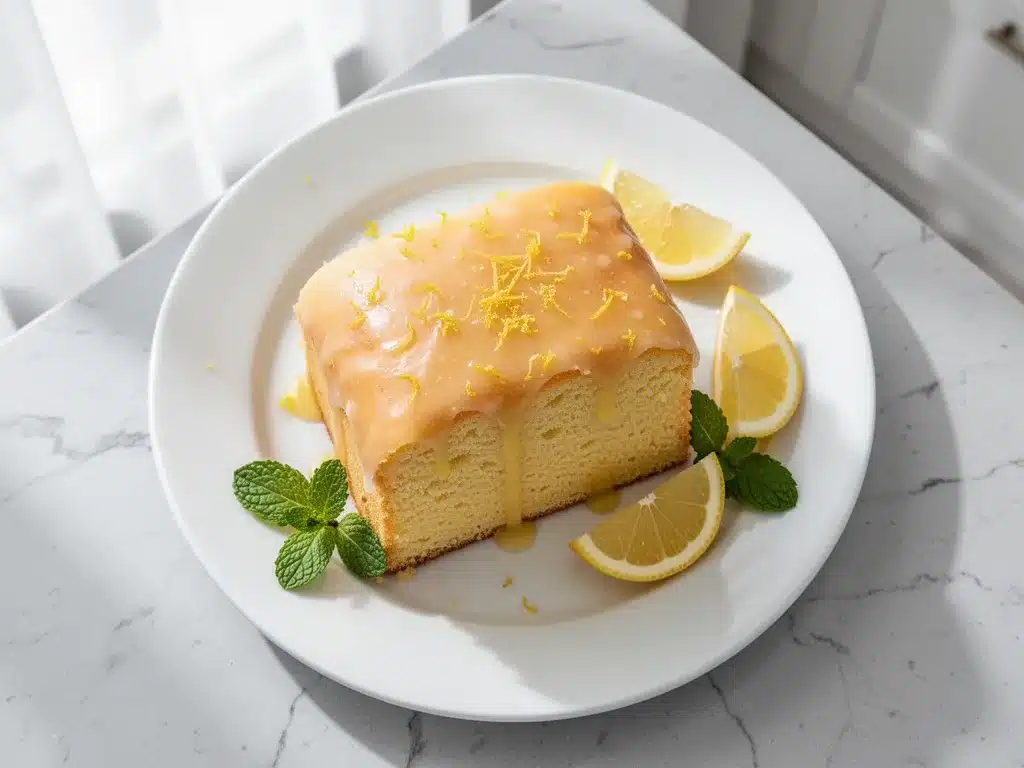
Confectioners’ sugar (1 ½ cups / 180g) — Sifted. I sift because it removes lumps and makes a smoother glaze. If you’re in a hurry, whisk really well, but sifting is better.
Fresh lemon juice (2-3 tablespoons / 30-45ml) — Start with 2 tablespoons, add more if needed. You want a pourable consistency, not a thick paste.
Lemon zest (1 teaspoon) — For garnish and extra flavor. Adds a nice pop of color.
Milk (1 teaspoon, optional) — If the glaze is too thick, add milk a teaspoon at a time. I rarely need it, but it’s good to have.
Personal Tip: I always buy lemons that feel heavy for their size. They’re juicier. If a lemon feels light, it’s probably dry inside. I’ve wasted lemons before by not checking. Learn from my mistakes.
Equipment Needed
You don’t need fancy equipment for this. Here’s what I actually use:
9×5 inch loaf pan — I use a metal loaf pan. Glass retains heat differently and can overbake the edges. If you only have glass, reduce oven temp by 25 degrees.
Mixing bowls — Two bowls: one for dry ingredients, one for wet. I use a large one for creaming butter and sugar, and a medium one for flour mixture.
Electric mixer — Hand mixer or stand mixer. I use a hand mixer because it’s faster to clean. You can mix by hand, but it takes longer and more arm strength. I’m not judging, but I’m recommending the mixer.
Whisk — For mixing dry ingredients and glaze. A small whisk is perfect.
Microplane or zester — For lemon zest. A box grater works, but microplane gives finer zest that distributes better.
Cooling rack — Essential for cooling the cake evenly. I’ve tried cooling on the counter, and the bottom gets soggy. Don’t skip the rack.
Measuring cups and spoons — Standard stuff. Dollar store versions work fine. Just be accurate.
Parchment paper — Optional but nice. I line the pan with parchment for easy removal. It prevents sticking and makes cleanup easier.
Spatula — For scraping the bowl. Silicone spatula works best. I use it to get every bit of batter out of the bowl.
Tool Tip: Don’t have a microplane? A fine grater works. Don’t have a cooling rack? Use a wire cooling rack or even a clean kitchen towel, but make sure air circulates.
How to Make It: Step-by-Step
Alright, let’s make this! I’m walking you through exactly how I do it, including the little tricks I’ve picked up over dozens of tries.
Step 1: Prep Your Pan and Oven (5 minutes)
Preheat your oven to 350°F (175°C). Grease your 9×5 inch loaf pan with butter or non-stick spray. I line it with parchment paper for easy removal. This step is crucial for preventing sticking. I’ve lost cakes to sticking before, and it’s heartbreaking. Don’t let that be you.
Step 2: Mix Dry Ingredients (2 minutes)
In a medium bowl, whisk together flour, baking powder, and salt. Set aside. This ensures even distribution of leavening. I do this first because it’s quick and gets it out of the way. Once you start mixing wet ingredients, things move fast.
Step 3: Cream Butter and Sugar (3-4 minutes)
In a large bowl, beat softened butter and sugar on medium-high speed until light and fluffy, about 3-4 minutes. This step is key for texture. The mixture should look pale and airy. If it looks dense, you didn’t beat it long enough. I usually beat for 4 minutes to be safe. This incorporates air, which makes the cake tender.
Step 4: Add Eggs (2 minutes)
Add eggs one at a time, beating well after each addition. Scrape down the sides of the bowl with a spatula. This ensures even mixing. If you add all eggs at once, they might not blend properly. I add them slowly, one by one, and scrape the bowl after each. It takes an extra minute but pays off.
Step 5: Add Lemon and Vanilla (1 minute)
Beat in lemon zest, lemon juice, and vanilla extract. Mix until just combined. The batter will smell amazing. This is the moment you know it’s working. The scent of fresh lemon filling the kitchen is my favorite part.
Step 6: Combine Wet and Dry (2-3 minutes)
Alternately add flour mixture and milk to the butter mixture, beginning and ending with flour. Mix on low speed until just combined. Do not overmix. Overmixing develops gluten, which makes the cake tough. I mix until no dry streaks remain, then stop. The batter should be thick and smooth.
Step 7: Bake (45-50 minutes)
Pour batter into prepared pan. Bake at 350°F for 45-50 minutes, or until a toothpick inserted in the center comes out clean. I check at 45 minutes. If it’s wet, bake 5 more minutes. Every oven is different, so trust your toothpick, not the clock. The cake should be golden brown and spring back when touched.
Step 8: Cool (15 minutes)
Let cake cool in pan for 15 minutes, then turn out onto a wire rack to cool completely. This prevents sogginess. I’ve rushed this step before, and the cake fell apart. Patience is key. Let it cool until it’s just warm to the touch.
Step 9: Make Glaze and Top (5 minutes)
While cake cools, whisk confectioners’ sugar, lemon juice, and zest until smooth. Pour over cooled cake. The glaze should be thick but pourable. If it’s too thick, add milk. If too thin, add sugar. I adjust by taste. Let glaze set for 10 minutes before slicing.
Total Time: About 30 minutes active, 50 minutes baking, 15 minutes cooling.
Expert Tips & Tricks
Here’s everything I’ve learned from making this dozens of times. These tips will save you from my mistakes.
Room Temperature Ingredients Matter
Butter, eggs, and milk should be room temperature. Cold ingredients don’t blend well, leading to a lumpy batter and dense cake. I take everything out 30 minutes before baking. If I forget, I warm milk and eggs in warm water. It’s worth the effort.
Don’t Overmix the Batter
Once you add flour, mix until just combined. Overmixing makes the cake tough. I mix until no dry streaks remain, then stop. The batter should be thick and smooth, not runny. If it’s runny, you overmixed.
Use Fresh Lemon Juice
Bottled lemon juice tastes metallic. Fresh juice is bright and clean. I squeeze two lemons for 3 tablespoons. It takes 30 seconds. Don’t cut corners here. The flavor difference is huge.
Check for Doneness Early
Ovens vary. Check at 45 minutes. If toothpick is wet, bake 5 more minutes. If it’s clean, it’s done. Don’t wait for 50 minutes if it’s ready. Overbaking dries out cake.
Cool Completely Before Glazing
Warm cake melts glaze. Let it cool until just warm. I usually glaze when it’s cool to the touch. If it’s too warm, the glaze runs off. Patience pays off.
Common Mistakes (and how to avoid them)
Mistake: Cake is dry
Fix: Don’t overbake. Check at 45 minutes. Also, ensure butter is softened, not melted. Melted butter changes texture.
Mistake: Glaze is too thick
Fix: Add milk a teaspoon at a time. Whisk well. I usually add 1-2 teaspoons.
Mistake: Glaze is too thin
Fix: Add more sugar a tablespoon at a time. Whisk until smooth. I rarely have this issue, but it happens.
Variations & Substitutions
Once you’ve nailed the basic version, here’s how you can mix it up. I’ve tried all of these.
Lemon Blueberry Pound Cake
Toss 1 cup fresh blueberries with 1 tablespoon flour and fold into batter before baking. The blueberries add bursts of sweetness and color. My kids love this version. I use frozen blueberries in winter, but toss them with flour first to prevent sinking.
Lemon Poppy Seed
Add 1 tablespoon poppy seeds to batter. Adds texture and visual appeal. I serve this at brunch. It’s elegant but simple.
Gluten-Free Version
Use 1:1 gluten-free flour blend. Everything else stays the same. I’ve used Bob’s Red Mill and King Arthur, and both work great. The texture is slightly different but still moist.
Dairy-Free Option
Replace butter with vegan butter (like Miyoko’s) and milk with almond milk. Glaze uses coconut milk instead of dairy milk. It’s not as rich but still tasty. My lactose-intolerant friend loves this version.
Extra Zesty
Add 1 more tablespoon lemon juice and 1 more teaspoon zest. For lemon lovers. I make this when I want maximum flavor. It’s intense but delicious.
Chocolate Drizzle
Skip lemon glaze, drizzle with melted chocolate. Mix ½ cup chocolate chips with 2 tablespoons heavy cream. Heat until melted, drizzle over cake. It’s a fun twist. Kids love it.
Serving & Storage
How to Serve:
I usually serve this straight from the cutting board at the dinner table—it looks rustic and stays warm. But here are other ways I’ve enjoyed it:
- With Coffee or Tea — Perfect afternoon snack. The lemon cuts through the bitterness of coffee.
- With Ice Cream — Vanilla ice cream on warm cake is heavenly. I do this on hot days.
- With Berries — Top with fresh strawberries or raspberries. Adds freshness and color.
- With Whipped Cream — Light whipped cream on top. I make this when I’m feeling fancy.
Storage Instructions:
Room Temperature:
Store in an airtight container for up to 3 days. The glaze keeps it moist. I keep it on the counter for easy access.
Refrigerator:
Store for up to 5 days. Let it come to room temperature before serving. Cold cake tastes bland. I usually take it out 30 minutes before eating.
Freezing:
Wrap tightly in plastic wrap, then foil. Freeze for up to 3 months. Thaw overnight in fridge. I freeze halves for later. It thaws beautifully.
Pro Tip: If leftovers are drying out, wrap in damp paper towel and microwave 10 seconds. Brings back moisture instantly.
Nutrition Information
I’m not a nutritionist, but here’s the breakdown if you’re tracking.
Per Serving (based on 10 servings):
- Calories: 280
- Protein: 4g
- Carbs: 42g
- Fiber: 1g
- Sugar: 28g
- Fat: 12g
- Saturated Fat: 7g
- Cholesterol: 65mg
- Sodium: 180mg
What’s Good: Moderate calories, decent carbs for energy, some protein from eggs.
What to Know: Higher in sugar from glaze and cake. Contains dairy and gluten. Moderate sodium.
My Take: This is dessert. It’s sweet and indulgent. It’s not health food. But it’s homemade, fresh, and made with real ingredients. When I want to make it lighter, I reduce sugar by ¼ cup and use less glaze. But usually? I just enjoy a slice and move on.
Final Thoughts
So that’s my moist lemon pound cake with tangy lemon glaze! I’ve probably talked your ear off at this point, but when you make a recipe this often, you have a lot to say about it.
This has saved weeknight desserts more times than I can count. It’s my answer to “what’s for dessert?” when I’m tired, don’t want takeout, and still want something that tastes really good. My kids are happy, my husband’s happy, and I’m happy because I’m not stressed about cooking.
Make it yours! Try different add-ins, swap in your favorite fruits, adjust the lemon. The best recipes are the ones you adapt to your family’s tastes.
If you make this, drop a comment and let me know what you think! I love hearing how recipes turn out in your kitchen. And if something doesn’t work, tell me that too—I’m here to help troubleshoot.
Happy baking! And I hope your kitchen smells half as good as mine does right now.
Frequently Asked Questions
Can I use bottled lemon juice?
You can, but fresh tastes so much better. Bottled juice has a metallic taste that shows up in cake. If you must use it, use half the amount because it’s stronger. But honestly, squeezing two lemons takes 30 seconds. Buy pre-squeezed lemon juice if you want to save time, but fresh is best.
Why did my cake turn out dense?
Usually means you overmixed the batter or used melted butter instead of softened. Softened butter is key for texture. Also, ensure baking powder is fresh. Old baking powder means flat cake. I’ve made this mistake before, and the cake was like a brick. Don’t let that be you.
Can I make this ahead for a party?
Absolutely. Bake cake 1-2 days ahead, store in airtight container. Glaze day of. Or glaze ahead and store. It actually tastes better after a day. I make this for parties all the time. It’s perfect for meal prep.
How do I store leftovers?
Store in airtight container at room temperature for 3 days. Or refrigerate for 5 days. Freeze for 3 months. Wrap tightly in plastic wrap, then foil. Thaw overnight in fridge. It keeps beautifully.
Can I double this recipe?
Yes, double everything and use two loaf pans. Bake time stays same. I do this for big families. Just ensure oven has space for two pans. Rotate pans halfway through for even baking.
Why is my glaze too thick?
Add milk a teaspoon at a time. Whisk well. I usually add 1-2 teaspoons. If it’s still thick, add more. You want pourable consistency. If it’s too thin, add more sugar.
Can I use whole wheat flour?
You can, but cake will be denser. I use all-purpose for light texture. If you use whole wheat, mix with all-purpose. 50/50 blend works well. It adds nutty flavor but changes texture.
Pin This Recipe!
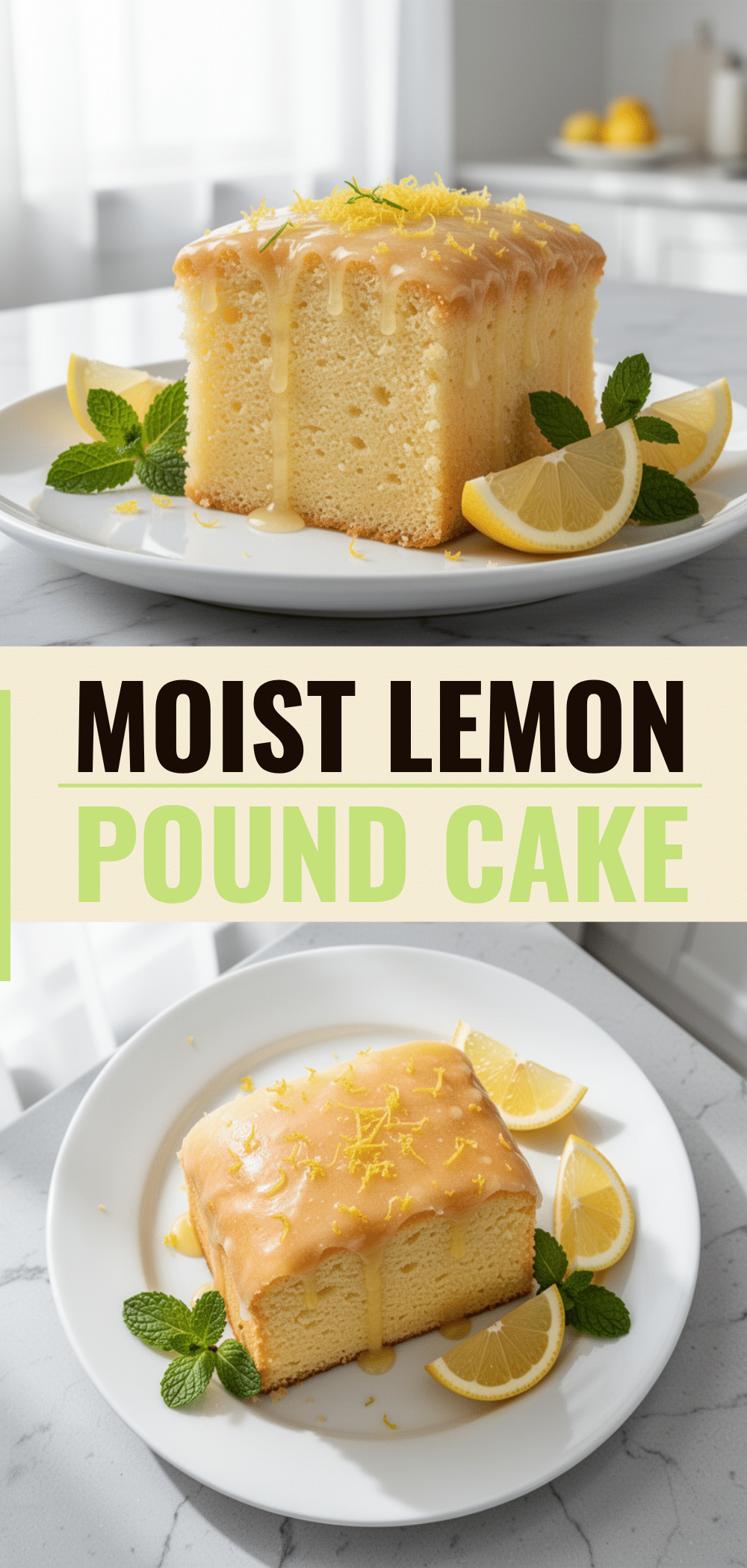

Moist Lemon Pound Cake: Easy 30-Minute Dessert
- Total Time: 60 minutes
- Yield: 10 servings 1x
Description
A tender, moist lemon pound cake with a tangy lemon glaze that is easy to make with pantry staples and perfect for busy weeknights.
Ingredients
- 1 cup (225g) unsalted butter, softened
- 1 ½ cups (300g) granulated sugar
- 4 large eggs, room temperature
- 2 cups (250g) all-purpose flour
- 1 teaspoon baking powder
- ½ teaspoon salt
- ½ cup (120ml) whole milk, room temperature
- 3 tablespoons (45ml) fresh lemon juice
- 2 teaspoons lemon zest
- 1 teaspoon vanilla extract
- 1 ½ cups (180g) confectioners’ sugar, sifted
- 2–3 tablespoons (30-45ml) fresh lemon juice (for glaze)
- 1 teaspoon lemon zest (for glaze)
- 1 teaspoon milk (optional, for glaze consistency)
Instructions
- Preheat oven to 350°F (175°C). Grease a 9×5 inch loaf pan and line with parchment paper.
- In a medium bowl, whisk together flour, baking powder, and salt. Set aside.
- In a large bowl, beat softened butter and sugar on medium-high speed until light and fluffy, about 3-4 minutes.
- Add eggs one at a time, beating well after each addition and scraping down the sides of the bowl.
- Beat in lemon zest, lemon juice, and vanilla extract until just combined.
- Alternately add the flour mixture and milk to the butter mixture, beginning and ending with flour. Mix on low speed until just combined; do not overmix.
- Pour batter into the prepared pan.
- Bake at 350°F for 45-50 minutes, or until a toothpick inserted in the center comes out clean.
- Let the cake cool in the pan for 15 minutes, then turn out onto a wire rack to cool completely.
- While the cake cools, whisk confectioners’ sugar, 2-3 tablespoons lemon juice, and 1 teaspoon zest until smooth. Adjust consistency with milk if needed.
- Pour the glaze over the cooled cake and let it set for 10 minutes before slicing.
Notes
Ensure butter is softened, not melted. Use fresh lemon juice for best flavor. Do not overmix the batter to avoid a dense texture. Cool the cake completely before glazing to prevent the glaze from melting.
- Prep Time: 15 minutes
- Cook Time: 45 minutes
- Category: Dessert
- Cuisine: American
Nutrition
- Serving Size: 1 slice
- Calories: 280
- Sugar: 28
- Sodium: 180
- Fat: 12
- Saturated Fat: 7
- Carbohydrates: 42
- Fiber: 1
- Protein: 4
Keywords: lemon pound cake, moist cake, easy dessert, weeknight baking, lemon glaze, homemade cake