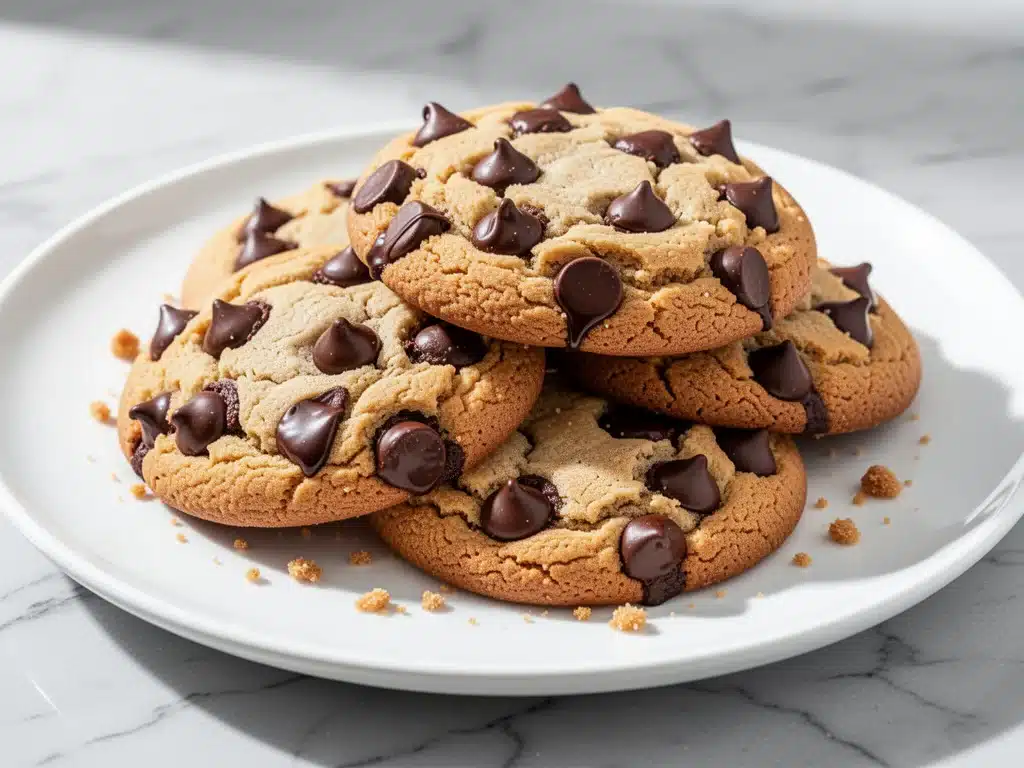
Three years ago, I was standing in my sister’s kitchen, staring at a plate of “gluten-free” cookies that looked like little hockey pucks. They were hard, crumbly, and tasted vaguely of cardboard and regret. My niece, who is eight and notoriously picky, took one bite, pushed the plate away, and said, “These taste like dirt.” My sister was devastated. She wanted her kids to feel included at the birthday party, but she was failing miserably.
I ate one anyway. Just to be polite. (Don’t judge me, I’m still working on my boundaries.)
That night, I went home and opened my pantry. I had almond flour gathering dust from a gift I never used, some semi-sweet chocolate chips, and a desperate need to prove that gluten-free baking didn’t have to mean eating texture-less sadness. I wanted a cookie that was crisp on the edges, chewy in the middle, and rich enough that you wouldn’t even miss the wheat. I wanted the kind of cookie that makes people close their eyes and sigh.
So, I started testing. And testing. And testing. I’ve probably burned through five pounds of butter and enough chocolate to feed a small army. But after twelve attempts (and several cups of tea to wash down the failures), I finally nailed it. This Gluten-Free Chocolate Chip Cookie with Almond Flour is the one. It’s the one my sister makes now for every gathering. It’s the one my dad, who has celiac disease, actually gets excited about. And honestly? It’s the one that keeps me sane on stressful weeknights.
If you’ve been burned by gluten-free baking before—if you’ve eaten cookies that fall apart or taste like chalk—trust me. This is different. This is the Gluten-Free Chocolate Chip Cookie with Almond Flour that everyone always asks for. Not because I’m bragging (okay, maybe a little), but because the texture is just that good. It’s buttery, nutty, and sweet without being cloying. Let me show you how to make it.
Why You’ll Love This Almond Flour Cookie Recipe
Look, I get it. Baking gluten-free can feel like a chore. You worry about cross-contamination, you worry about the texture, you worry that your guests will be polite but disappointed. But this recipe changes the game. It’s not just “good for gluten-free.” It’s just good. Period.
Here’s why this Gluten-Free Chocolate Chip Cookie with Almond Flour has taken over my kitchen:
- Actually Chewy — Most gluten-free cookies are cakey or crumbly. Not these. The almond flour provides that dense, fudgy chew that I crave. I tested this with rice flour, oat flour, and blends, and almond flour is the only one that gets that texture right without needing a dozen gums and stabilizers.
- Rich, Nutty Flavor — Almond flour isn’t just a filler; it adds a beautiful, subtle nuttiness that complements the chocolate. It tastes expensive. Like, bakery-shelf expensive. But it’s way cheaper to make at home.
- Simple Ingredients — You don’t need xanthan gum, guar gum, or a PhD in chemistry. Just butter, sugar, eggs, almond flour, and chocolate. If you can cream butter and sugar, you can make this. I’ve made it while on the phone with my mom. (It went well.)
- Grain-Free Option — Since almond flour is a nut, not a grain, this works for grain-free diets too. My brother who is paleo-friendly loves these just as much as my celiac sister does.
- Make-Ahead Friendly — The dough freezes beautifully. I scoop them into balls and freeze them on a tray. Then I pop them into a bag. When I want fresh cookies at 8 PM on a Tuesday, I just pull out four balls and bake them. No thawing needed.
This is my go-to when I need to impress people who “don’t eat gluten” without making a huge fuss. It’s reliable, delicious, and honestly? It’s just a really good chocolate chip cookie.
Ingredients You’ll Need for the Best Gluten-Free Cookies
Here’s the thing about gluten-free baking: quality matters more. Since you don’t have gluten to bind things together, your ingredients need to do the heavy lifting. I’m not saying you need to buy the most expensive stuff, but I am saying that cheap almond flour can make these cookies gritty. Here’s exactly what I use and why.
For the Dough Base
Blanched Almond Flour (2 cups / 224g) — This is non-negotiable. I use finely ground blanched almond flour. Do not use almond meal (which has skins in it) unless you want speckled, gritty cookies. I swear by Bob’s Red Mill or Honeyville. Look for “super fine” on the label. If it feels like sand, it’s too coarse.
Unsalted Butter (½ cup / 113g, softened) — Softened means cool to the touch but yielding when you poke it. Not melted! Melted butter makes flat, greasy cookies. I take mine out of the fridge about 30 minutes before I start. If I’m in a rush, I cube it and let it sit for 10 minutes.
Granulated Sugar (½ cup / 100g) — This helps create those crisp edges. I use regular white sugar. Some people swap for coconut sugar, but it changes the color and flavor significantly. Stick to white for the classic look.
Light Brown Sugar (½ cup / 110g, packed) — This is where the chewiness comes from. The molasses keeps the center soft. If you can’t find light brown, mix 1 tablespoon of molasses into your white sugar. It works in a pinch.
Large Egg (1 large, room temperature) — The egg binds everything together. Since there’s no gluten, the egg is crucial for structure. Room temperature eggs mix into the butter more evenly. I leave mine on the counter while I prep the dry ingredients.
Egg Yolk (1 large yolk) — This is my secret weapon. Adding an extra yolk adds richness and tenderness. It makes the cookie more “shortbread-like” and less cakey. Don’t skip it if you can help it.
Vanilla Extract (2 teaspoons) — Use real vanilla. Not the imitation stuff. This recipe has few ingredients, so the vanilla flavor will shine through. I use Nielsen-Massey or Simply Organic.
For the Flavor and Structure
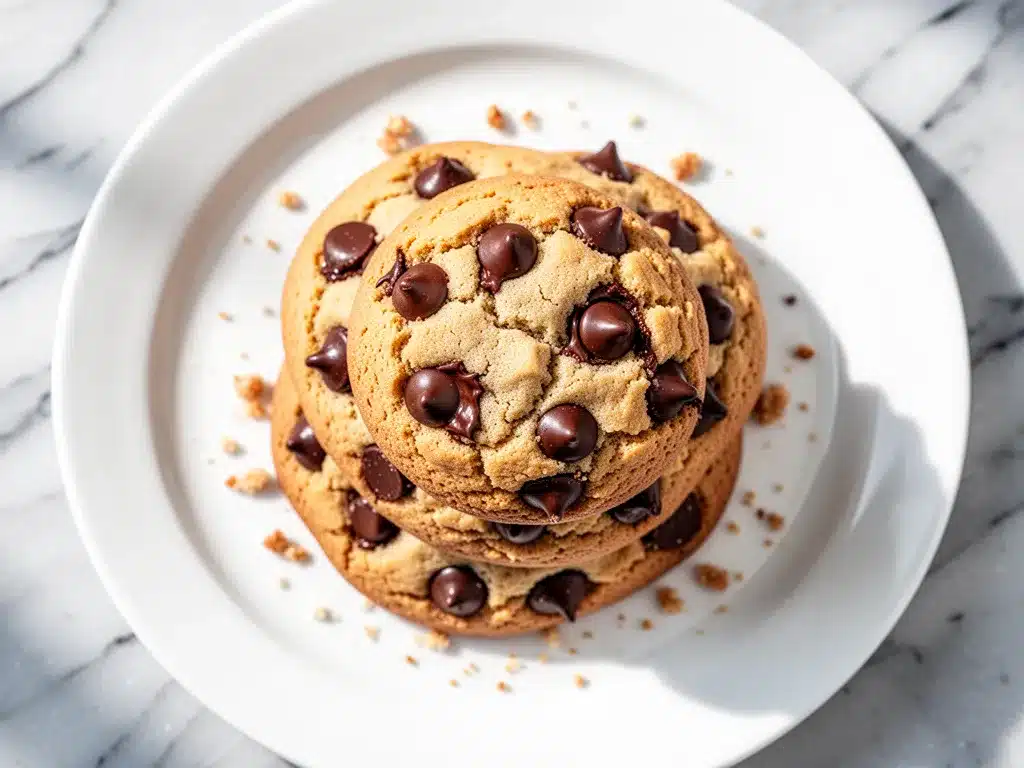
Almond Extract (½ teaspoon) — This is optional but highly recommended. It amplifies the almond flavor. If you’re sensitive to almond flavor, you can skip it, but it makes these cookies taste like a fancy French patisserie. Just a little goes a long way.
Baking Soda (½ teaspoon) — Helps the cookies spread and brown. Make sure it’s fresh! If your baking soda is old, it won’t work, and your cookies will be dense bricks. Test it by dropping a little vinegar on it—if it fizzes, you’re good.
Salt (½ teaspoon fine sea salt) — Salt is flavor enhancer. It cuts the sweetness and brings out the chocolate. I use fine sea salt because it dissolves evenly. Kosher salt works too, but you might need to use a bit more.
The Star of the Show
Semi-Sweet Chocolate Chips (1 cup / 170g) — I use Ghirardelli 60% Cacao chips. They melt beautifully and have a rich, not-too-sweet flavor. You can also chop up a high-quality chocolate bar for bigger, melty chunks. I do a mix of both: chips for distribution, chunks for pockets of goo.
Pantry Staples Check
You probably have the butter, sugar, eggs, and vanilla. The almond flour is the only specialty item. Store it in the fridge or freezer to keep it fresh—it goes rancid faster than other flours. I keep a bag in the freezer always.
Equipment Needed
You don’t need fancy gadgets for this. Here’s what I actually use in my kitchen:
Large Mixing Bowl — I use a glass bowl because I can see the texture as I mix. A stainless steel bowl works fine too.
Hand Mixer or Stand Mixer — I prefer a hand mixer for this because it’s easier to scrape the sides. But a stand mixer with a paddle attachment works great. Avoid using a whisk by hand; it takes too much arm strength to cream the butter and sugar properly.
Silicone Spatula — Essential for scraping the bowl and folding in the chocolate. I love the flexible ones that get into the corners.
Baking Sheets — I use two half-sheet pans. Dark metal pans bake faster and give better browning. Light aluminum pans are gentler. I rotate my pans halfway through baking to ensure even color.
Parchment Paper — Line your baking sheets. Trust me. Cleanup is a nightmare if you don’t. Plus, it prevents sticking, which is crucial for these delicate almond flour cookies.
Cookie Scoop — I use a #40 scoop (about 1.5 tablespoons). It ensures uniform size so they bake evenly. If you don’t have one, use a tablespoon, but be consistent.
Cooling Rack — Essential for stopping the cooking process. If you let them cool on the hot pan, they’ll overbake and get dry.
How to Make It: Step-by-Step
Alright, let’s make these cookies! I’m walking you through exactly how I do it, including the little tricks I’ve picked up over the years.
Step 1: Prep Your Oven and Pans (2 minutes)
Preheat your oven to 350°F (175°C). Line two large baking sheets with parchment paper. This is important because almond flour cookies spread more than wheat-based ones. If they stick, they’ll break. Parchment saves you from heartbreak.
Step 2: Cream the Butter and Sugars (3-4 minutes)
In your large mixing bowl, combine the softened unsalted butter, granulated sugar, and brown sugar. Beat on medium-high speed for about 3-4 minutes. You want this mixture to be pale, fluffy, and light. This step incorporates air, which helps the cookies rise slightly. If you rush this, your cookies will be dense. I set a timer so I don’t get distracted.
Step 3: Add Wet Ingredients (1-2 minutes)
Reduce the mixer speed to medium-low. Add the large egg, egg yolk, vanilla extract, and almond extract. Mix until just combined. Scrape down the sides of the bowl with your spatula to make sure everything is incorporated. The mixture might look slightly curdled—that’s okay. It will come together when you add the dry ingredients.
Step 4: Mix Dry Ingredients (2 minutes)
In a separate medium bowl, whisk together the almond flour, baking soda, and salt. Whisking is important here to break up any clumps in the almond flour. Almond flour can be clumpy from moisture. You want a fine, even texture.
Step 5: Combine Wet and Dry (2 minutes)
Gradually add the dry ingredients to the wet ingredients. Mix on low speed until just combined. Do not overmix! Once the flour disappears, stop. The dough will be thick and slightly sticky. This is normal. Almond flour absorbs moisture differently than wheat flour, so don’t add extra flour to “fix” it.
Step 6: Fold in Chocolate (2 minutes)
Using your silicone spatula, gently fold in the chocolate chips. Be gentle so you don’t crush them. You want big, beautiful chunks of chocolate in every bite. I usually save a few chips to press onto the tops of the cookies before baking for that bakery look.
Step 7: Scoop and Chill (Optional but Recommended)
Scoop the dough onto the prepared baking sheets, spacing them about 2 inches apart. They will spread. If you have time, chill the dough in the fridge for 30 minutes. This helps the flavors meld and prevents the cookies from spreading too thin. If you’re in a rush, you can bake them right away, but chilled dough yields better texture.
Step 8: Bake (12-14 minutes)
Bake in the preheated oven for 12-14 minutes. The edges should be golden brown, but the centers should still look slightly soft and underbaked. They will firm up as they cool. If you bake them until the centers look done, they’ll be dry. I pull them out when they look 90% done.
Step 9: Cool Completely (15 minutes)
Let the cookies cool on the baking sheet for 5 minutes, then transfer them to a cooling rack. Let them cool completely before eating. This is the hardest part. But cooling allows the structure to set. If you eat them hot, they’ll crumble. Patience pays off.
Expert Tips & Tricks
Here’s everything I’ve learned from making this Gluten-Free Chocolate Chip Cookie with Almond Flour dozens of times. These tips will save you from my mistakes.
- Don’t Skimp on the Egg Yolk — I know it seems weird to add an extra yolk, but it’s what gives these cookies that tender, fudgy crumb. Without it, they can be a bit dry.
- Almond Flour Quality Matters — If your almond flour is coarse or has skins, your cookies will be gritty. Buy the finest ground you can find. If you’re feeling fancy, pulse your almond flour in a food processor for 30 seconds to make it super fine.
- Chill the Dough — I can’t stress this enough. Chilling the dough prevents spreading and deepens the flavor. It’s worth the wait. If you forget, freeze them for 15 minutes.
- Underbake Slightly — Almond flour cookies continue to cook on the hot pan after you take them out of the oven. Pull them when the edges are set but the center still looks soft. They will firm up as they cool.
- Don’t Overmix — Once you add the almond flour, mix just until combined. Overmixing can make the cookies tough. Almond flour doesn’t have gluten, but overworking it can still affect texture.
Variations & Substitutions
Once you’ve nailed the basic version, here’s how you can mix it up. I’ve tried all of these.
Dietary Modifications
Nut-Free Option — If you have nut allergies, you can substitute almond flour with oat flour (certified gluten-free) or sunflower seed flour. Note: The texture will be different. Oat flour makes them cakier, and sunflower seed flour can turn green due to a chemical reaction (harmless but looks weird). For best results, stick to almond flour if possible.
Dairy-Free — Use vegan butter sticks (not tub spreads) instead of regular butter. The water content in tub spreads can make cookies spread too much. Also, ensure your chocolate chips are dairy-free.
Egg-Free — This is tricky because the egg provides structure. You can try a flax egg (1 tablespoon ground flax + 3 tablespoons water), but the texture will be denser. I haven’t perfected this substitution yet.
Flavor Variations
Lemon Blueberry — Skip the chocolate chips and add 1 cup fresh blueberries and the zest of one lemon. Toss the berries in a little almond flour before adding to prevent sinking.
Peanut Butter — Add ½ cup peanut butter to the dough along with the butter. Add mini chocolate chips instead of regular chips.
Matcha White Chocolate — Add 2 tablespoons matcha powder to the dry ingredients. Use white chocolate chips instead of semi-sweet. It’s beautiful and sophisticated.
Coconut — Add ½ cup shredded unsweetened coconut to the dough. Use coconut oil instead of butter for a tropical twist.
Serving & Storage
These cookies are best enjoyed fresh, but they store well if you need to make them ahead.
Storage Instructions
Room Temperature — Store in an airtight container at room temperature for up to 5 days. Place a piece of bread in the container to keep them soft. The bread will harden, but the cookies will stay moist.
Freezing Dough — Scoop the dough into balls and freeze on a baking sheet. Once solid, transfer to a freezer bag. Bake from frozen, adding 1-2 minutes to the bake time. This is my favorite way to have fresh cookies on demand.
Freezing Baked Cookies — Store in an airtight container with parchment paper between layers. Freeze for up to 3 months. Thaw at room temperature before eating.
Reheating
Warm them in the microwave for 10-15 seconds to soften them up. Or bake at 350°F for 3-5 minutes to get that fresh-baked smell. They taste amazing warm with a glass of cold milk.
Nutrition Information
I’m not a nutritionist, but here’s the breakdown if you’re tracking. These are richer than traditional cookies because of the almond flour and butter, so a little goes a long way.
Per Cookie (makes approx. 24 cookies):
- Calories: 180
- Protein: 4g
- Carbs: 10g
- Fiber: 2g
- Sugar: 7g
- Fat: 15g
- Saturated Fat: 6g
- Cholesterol: 30mg
- Sodium: 90mg
These are naturally gluten-free and grain-free. They’re higher in healthy fats from the almonds, which helps keep you satisfied. Just keep portions in mind—they’re delicious, but also dense!
Final Thoughts
So that’s my go-to Gluten-Free Chocolate Chip Cookie with Almond Flour! I’ve probably talked your ear off at this point, but when you make a recipe this often, you have a lot to say about it.
This recipe has saved me in so many situations. Birthday parties, potlucks, late-night cravings, and even just Tuesday nights when I need a hug in cookie form. It’s my answer to “I can’t eat gluten” without making anyone feel left out. My family loves these, my friends love these, and honestly? I think even my gluten-eating friends prefer these to the regular version. The texture is just superior.
Make it yours! Try different chocolates, add nuts, or skip the almond extract if you prefer a simpler flavor. The best recipes are the ones you adapt to your tastes.
If you make this, drop a comment and let me know what you think! I love hearing how recipes turn out in your kitchen. And if something doesn’t work, tell me that too—I’m here to help troubleshoot.
Happy baking! And I hope your kitchen smells half as good as mine does right now.
Frequently Asked Questions
Why did my gluten-free cookies spread too much?
This usually happens if the butter was too warm or if the dough wasn’t chilled. Almond flour doesn’t have gluten to hold the shape, so it spreads more easily. Make sure your butter is softened, not melted, and chill the dough for at least 30 minutes before baking. Also, ensure your baking powder/soda is fresh.
Can I use almond meal instead of almond flour?
I don’t recommend it. Almond meal has the skins on, which makes it coarser and grittier. Your cookies will have a speckled appearance and a rough texture. For a smooth, tender cookie, you need finely ground blanched almond flour.
Why are my cookies dry?
Overbaking is the most common cause. Almond flour cookies continue to cook on the hot pan. Pull them out when the edges are golden but the centers still look soft. Also, make sure you’re using the correct amount of almond flour. If you pack it down, you might be using too much. Spoon it into the measuring cup and level it off.
Can I make these cookies nut-free?
Unfortunately, almond flour is the base of this recipe, so they are nut-based. If you have a nut allergy, this recipe won’t work for you. You would need to find a recipe specifically designed for oat flour or sunflower seed flour, but the texture and flavor will be different.
How do I store these cookies to keep them soft?
Store them in an airtight container at room temperature. To keep them extra soft, add a slice of white bread to the container. The cookies will absorb moisture from the bread and stay chewy for days. Replace the bread slice every day or two.
Can I freeze the dough?
Yes! This is one of the best parts. Scoop the dough into balls, freeze them on a baking sheet until solid, then transfer to a freezer bag. You can bake them straight from frozen. Just add 1-2 minutes to the baking time. They taste just as good as fresh.
What kind of chocolate chips should I use?
I recommend semi-sweet chocolate chips for a balanced sweetness. Ghirardelli or Guittard are great brands. You can also chop up high-quality chocolate bars for bigger, melty chunks. Avoid chocolate chips that are very sweet, as they will make the cookies cloying.
Pin This Recipe!
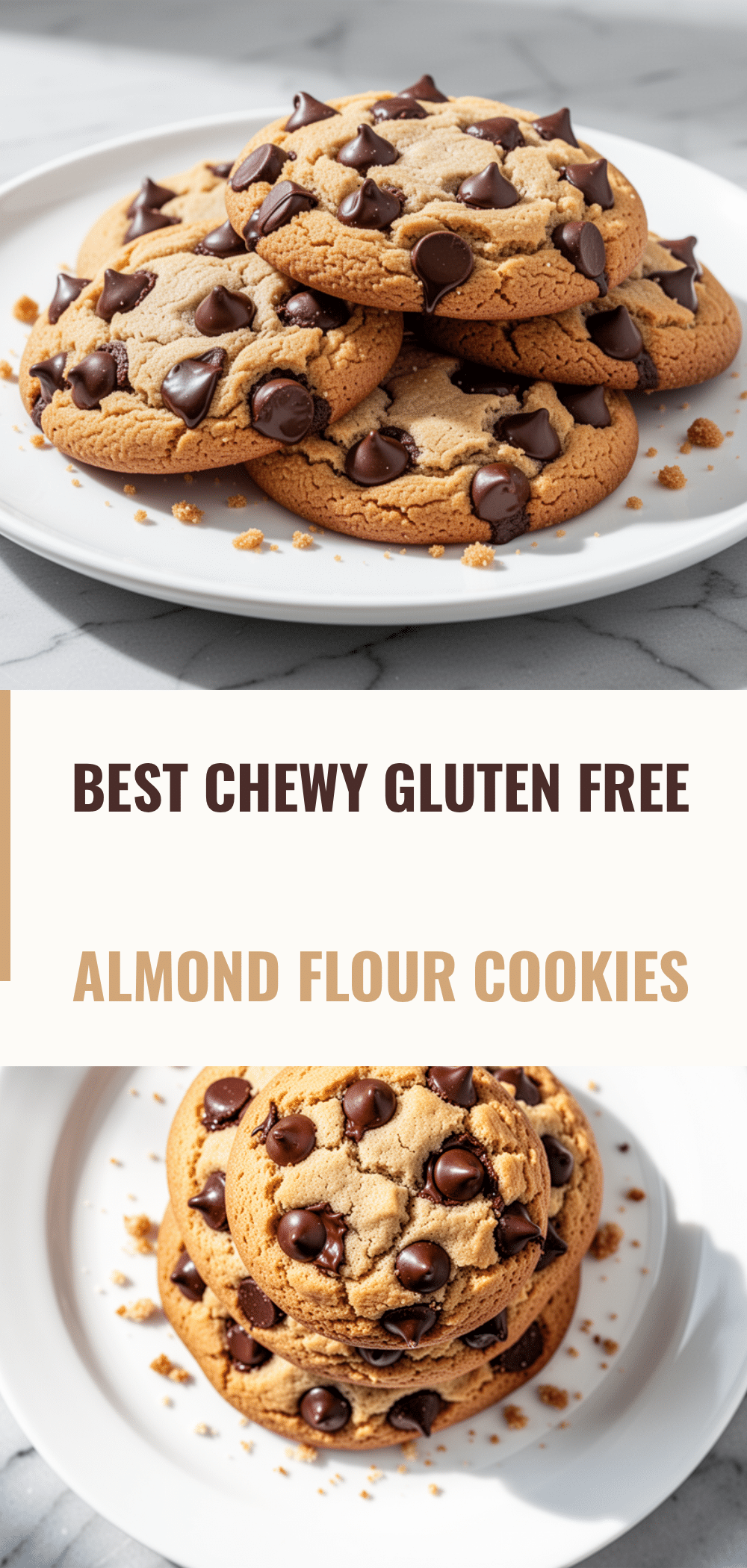

Gluten-Free Chocolate Chip Cookies: Best Almond Flour Recipe
- Total Time: 27-29 minutes
- Yield: 24 cookies 1x
Description
These gluten-free almond flour chocolate chip cookies are crisp on the edges, chewy in the middle, and rich with nutty flavor. Made with simple ingredients and no gums, they offer a superior texture that rivals traditional wheat-based cookies.
Ingredients
- 2 cups (224g) finely ground blanched almond flour
- ½ cup (113g) unsalted butter, softened
- ½ cup (100g) granulated sugar
- ½ cup (110g) light brown sugar, packed
- 1 large egg, room temperature
- 1 large egg yolk
- 2 teaspoons vanilla extract
- ½ teaspoon almond extract (optional)
- ½ teaspoon baking soda
- ½ teaspoon fine sea salt
- 1 cup (170g) semi-sweet chocolate chips
Instructions
- Preheat oven to 350°F (175°C). Line two large baking sheets with parchment paper.
- In a large mixing bowl, cream the softened butter, granulated sugar, and brown sugar on medium-high speed for 3-4 minutes until pale and fluffy.
- Reduce mixer speed to medium-low. Add the egg, egg yolk, vanilla extract, and almond extract. Mix until just combined, scraping down the sides of the bowl.
- In a separate medium bowl, whisk together the almond flour, baking soda, and salt to break up any clumps.
- Gradually add the dry ingredients to the wet ingredients. Mix on low speed until just combined. Do not overmix.
- Gently fold in the chocolate chips using a silicone spatula.
- Scoop dough onto prepared baking sheets, spacing them about 2 inches apart. For best results, chill dough in the fridge for 30 minutes.
- Bake for 12-14 minutes until edges are golden brown but centers still look slightly soft.
- Let cookies cool on the baking sheet for 5 minutes, then transfer to a cooling rack to cool completely.
Notes
Ensure almond flour is finely ground blanched almond flour, not almond meal, to avoid grittiness. Do not overmix the dough. Chill the dough for 30 minutes to prevent excessive spreading and improve texture. Underbake slightly as cookies continue to cook on the hot pan. Store in an airtight container with a slice of bread to maintain softness.
- Prep Time: 15 minutes
- Cook Time: 12-14 minutes
- Category: Dessert
- Cuisine: American
Nutrition
- Serving Size: 1 cookie
- Calories: 180
- Sugar: 7
- Sodium: 90
- Fat: 15
- Saturated Fat: 6
- Carbohydrates: 10
- Fiber: 2
- Protein: 4
Keywords: gluten-free, almond flour, chocolate chip cookies, grain-free, paleo-friendly, nut-free option, dairy-free option, chewy cookies, baking