I still remember the panic. It was a Tuesday, I had just walked in the door from work, and my husband was staring at the fridge like it held the secrets to the universe. He was hungry, I was exhausted, and we both knew that ordering takeout was going to cost us an arm, a leg, and our dignity by the time dessert arrived. We had twenty minutes before we needed to leave for a dinner date, and I needed a meal that felt special enough to impress, but fast enough to not make us late.
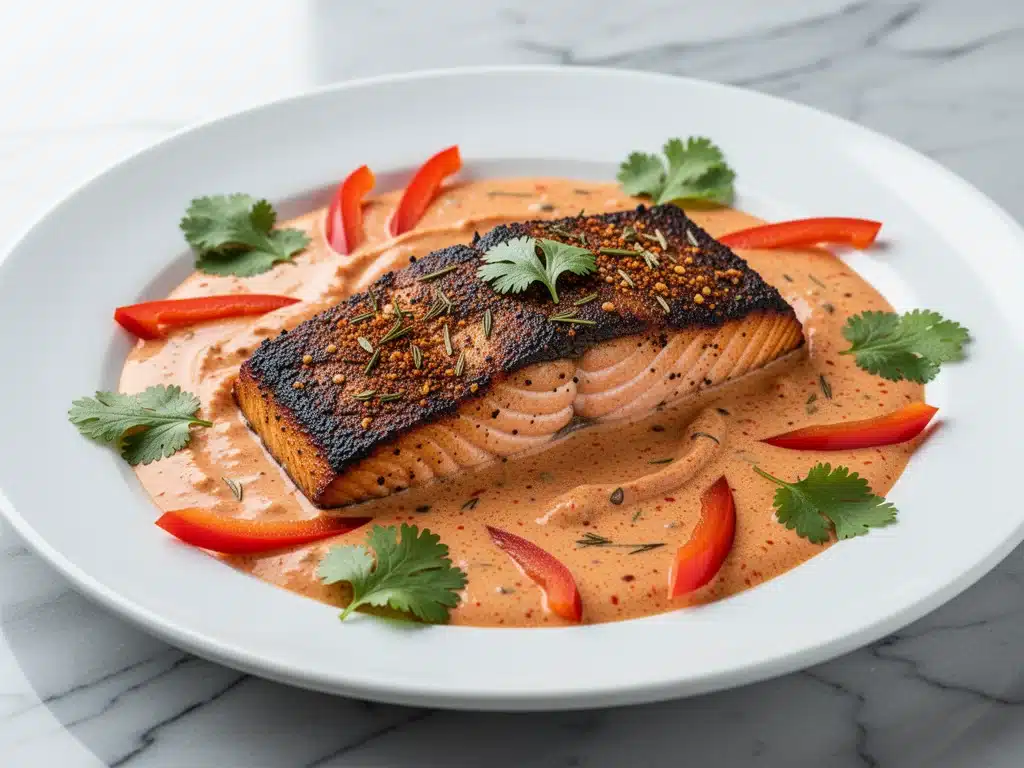
That was the night I perfected this blackened salmon with creamy Cajun sauce. It wasn’t planned. I was just digging through the spice rack, looking for something with a little kick to wake up my taste buds. I threw together a quick blackening rub, seared the salmon in a screaming hot cast-iron skillet, and then whipped up a sauce using the leftover flavorful bits (fond) in the pan, cream, and a handful of Cajun spices.
The result? Absolute magic. The salmon was crispy on the outside, flaky and moist on the inside, and that creamy, spicy sauce was the perfect counterpoint. It felt like a restaurant meal, but it took less time than it takes to scroll through DoorDash. Since then, I’ve made this blackened salmon with creamy Cajun sauce probably a dozen times. It’s my secret weapon for busy weeknights, impromptu dinner parties, and when I just need to feel like a gourmet chef without the effort.
If you’re skeptical about making fish at home—especially when you’re tired—I get it. Fish is tricky. It dries out easily. But this method? It’s foolproof. The blackening technique locks in the moisture, and the sauce is forgiving. You can’t mess it up. I promise. By the time you read this, you’ll be craving it. And trust me, once you taste it, you’ll be making it on repeat.
Why You’ll Love This Recipe
There are about ten reasons I keep coming back to this blackened salmon with creamy Cajun sauce, but here are the big ones that have cemented its spot in our weekly rotation.
Stupid Simple — Seriously, if you can follow a timer, you can make this. I’ve walked my teenage son through it over FaceTime while I was at work. He nailed it. The technique is straightforward: season, sear, sauce, serve. No complex knife skills required.
Lightning Fast — 20 minutes from start to finish. That’s it. 5 minutes to prep, 10 minutes to cook, 5 minutes to sauce. I make this on weeknights when I get home at 7pm and still want something that doesn’t taste like microwave cardboard.
Restaurant Quality — This tastes like something you’d pay $28 for at a downtown bistro. The blackened crust adds such a deep, smoky flavor that elevates the fish instantly. The creamy Cajun sauce ties it all together with a rich, spicy kick that keeps people asking for the recipe.
Healthy-ish Comfort — Look, it has cream in it, so it’s not a diet food. But salmon is packed with omega-3s and protein. It’s way better than takeout, and you control the sodium and sugar. It’s indulgent but still feels good to eat.
Impresses Without Stress — I’ve served this to my food-snobby mother-in-law and my casual-dining friends. Everyone loved it. It looks fancy because of the beautiful char on the salmon and the vibrant sauce, but you’re barely lifting a finger.
This is my go-to when I need dinner to just work. No complicated techniques, no weird ingredients, just reliable, delicious food that makes everyone happy.
Ingredients You’ll Need
Here’s the best part: you probably have most of this already. This blackened salmon with creamy Cajun sauce relies on pantry staples and fresh fish. I’m particular about three ingredients here, and I’ll tell you exactly why.
For the Blackened Salmon
Salmon fillets (1.5 lbs / 680g) — I use center-cut fillets because they cook evenly. Wild-caught is great, but farmed is fine too. Just make sure they’re about 6 ounces each and roughly the same thickness. Pat them dry! Wet fish doesn’t blacken; it steams.
Neutral oil (2 tablespoons / 30ml) — Avocado oil or grapeseed oil works best because of the high smoke point. Olive oil will burn before the fish is done. Don’t cheap out here.
Blackening spice blend (2 tablespoons / 15g) — You can buy a premade blend, but I make my own. It’s just paprika, cayenne, garlic powder, onion powder, thyme, oregano, and a touch of brown sugar. The brown sugar helps the crust caramelize. I always have this mixed up in a jar.
For the Creamy Cajun Sauce
Butter (3 tablespoons / 45g) — Unsalted is best so you can control the salt. This adds richness to the sauce.
Yellow onion (1 small, finely diced / about 100g) — Sweet onions work too, but yellow gives better depth. You want it to melt into the sauce, not stay crunchy.
Garlic (3 cloves, minced / about 1 tablespoon) — Fresh only. Jarred garlic tastes metallic in this sauce. Minced is fine; don’t bother with a press if you don’t want to clean it.
Cajun seasoning (1 tablespoon / 7g) — This is different from the blackening rub. I use a milder Cajun blend for the sauce so it’s creamy-spicy, not fiery-hot. Adjust to your heat tolerance.
Heavy cream (1 cup / 240ml) — Full-fat only. Half-and-half makes it too thin. Trust me on this. The fat carries the flavor.
Chicken broth (¼ cup / 60ml) — Low-sodium is key. You don’t want the sauce to be salty. Vegetable broth works for a vegetarian version.
Lemon juice (1 tablespoon / 15ml) — Freshly squeezed. This cuts through the richness of the cream and brightens the whole dish. Don’t skip it.
Fresh parsley (2 tablespoons, chopped) — For garnish and a fresh herbal note. Dried parsley doesn’t have the same pop.
Optional Add-ins:
- Shrimp (1 cup, peeled and deveined) — If you want a seafood boil vibe, toss shrimp in the sauce at the end.
- Cajun spices (1 teaspoon) — If you like it spicy, add extra to the sauce.
Equipment Needed
You don’t need fancy equipment for this. Here’s what I actually use.
Cast-iron skillet — I use a 12-inch. It holds heat incredibly well, which is crucial for blackening. Stainless steel works too, but cast iron gives the best crust. If you don’t have cast iron, a heavy-bottomed stainless pan is fine.
Baking sheet — Or a plate. You need somewhere to rest the salmon after searing. I line mine with foil for easy cleanup.
Small saucepan or the same skillet — You can make the sauce in the same skillet after removing the fish (easier cleanup) or in a small saucepan. I prefer the skillet to get all that flavorful fond.
Tongs — For flipping the salmon gently. A spatula works too, but tongs give you better control.
Whisk — For the sauce. Makes sure the butter and cream emulsify smoothly.
Sharp knife — For dicing the onion and chopping parsley. Dull knives make you cry more—learned this the hard way.
Measuring cups and spoons — Standard stuff. Dollar store versions work fine.
Paper towels — To pat the salmon dry. This is non-negotiable for a good sear.
How to Make It: Step-by-Step
Alright, let’s make this! I’m walking you through exactly how I do it, including the little tricks I’ve picked up.
Step 1: Prep the Salmon (5 minutes)
Take your salmon fillets out of the fridge. This is important—let them come to room temperature for about 10-15 minutes while you prep other things. Cold fish hits the hot pan and cooks unevenly. Pat them thoroughly dry with paper towels. Seriously, get them as dry as possible. Moisture is the enemy of blackening.
Generously season both sides with your blackening spice blend. I use about 1 tablespoon per fillet. Press the spices into the fish so they stick. Set aside on a plate.
Step 2: Sear the Salmon (8-10 minutes)
Heat your cast-iron skillet over medium-high heat. Add the neutral oil. Wait until the oil shimmers and just starts to smoke. This needs to be hot. Carefully place the salmon fillets in the pan, skin-side down if they have skin. Don’t touch them! Let them sear for 4-5 minutes. You want a deep, blackened crust to form. If you try to move them too early, the crust will stick and tear off.
Flip the salmon gently. Cook for another 3-4 minutes, or until the internal temperature reaches 145°F (63°C) and the fish flakes easily with a fork. Remove from the pan and transfer to your baking sheet or plate. Cover loosely with foil to keep warm. Do not overcook—it will continue to cook slightly as it rests.
Step 3: Build the Sauce (5 minutes)
Reduce the heat to medium. If there’s too much oil in the pan, pour out all but 1 tablespoon. Add the butter and let it melt. Add the diced onion and cook for 2-3 minutes until softened and translucent. Add the minced garlic and Cajun seasoning. Cook for 1 minute, stirring constantly. The garlic should smell amazing but not brown—browned garlic tastes bitter.
Pour in the chicken broth and scrape up any browned bits (fond) from the bottom of the pan. This is where the flavor lives. Let it simmer for 1 minute to deglaze.
Reduce heat to low. Slowly pour in the heavy cream, whisking constantly. Let the sauce simmer gently for 2-3 minutes until it thickens slightly. It should coat the back of a spoon. Stir in the lemon juice and taste. Add salt and pepper if needed. Remember, the blackening rub is salty, so go easy on the salt.
Step 4: Combine and Serve (2 minutes)
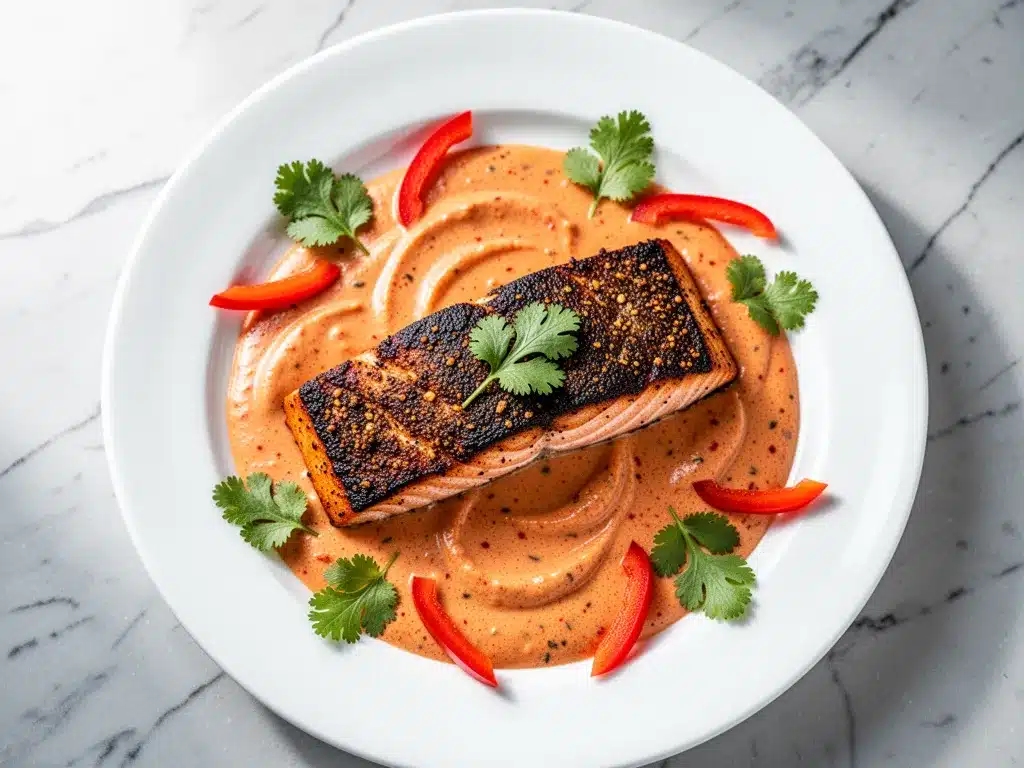
Place the blackened salmon on a serving platter. Spoon the creamy Cajun sauce generously over the top. Garnish with fresh chopped parsley. Serve immediately with rice, quinoa, or roasted vegetables.
Total Time: About 20 minutes (5 minutes active prep, 15 minutes cooking)
Expert Tips & Tricks
Here’s everything I’ve learned from making this dozens of times. These tips will save you from my mistakes.
Pat That Salmon Dry
This is the #1 tip. If your salmon is wet, it won’t blacken. It will steam. I’ve ruined fillets by being lazy here. Use paper towels and press hard. Dry fish = crispy crust.
Get the Pan Smoking Hot
Your cast iron needs to be hot before the fish goes in. If you’re unsure, flick a drop of water in the pan. If it sizzles and evaporates instantly, you’re good. If it just sits there, wait longer.
Don’t Touch the Fish
When you first put the salmon in, do not touch it. Let it sear undisturbed for at least 4 minutes. If you try to flip it too early, the blackened crust will stick to the pan. It’s stubborn, but it’s worth the wait.
Low Heat for the Sauce
Always reduce the heat to low before adding the cream. High heat can cause the cream to split or curdle. Gentle warmth keeps it smooth and velvety.
Scrape the Fond
Those brown bits stuck to the bottom of the pan? That’s pure flavor. Don’t skip scraping them up with the broth. It adds a smoky depth to the sauce that you can’t get any other way.
Common Mistakes (and how to avoid them):
- Mistake: Salmon is dry. Fix: You overcooked it. Salmon cooks fast. Remove it at 140°F (60°C) and let it rest. It’ll finish cooking to 145°F.
- Mistake: Sauce is too thin. Fix: Simmer it longer. Or add a teaspoon of cornstarch mixed with water.
- Mistake: Sauce is too spicy. Fix: Add a splash more cream or a pinch of sugar to balance the heat.
Variations & Substitutions
Once you’ve nailed the basic version, here’s how you can mix it up. I’ve tried all of these.
Cajun Shrimp Version
Swap the salmon for large shrimp. Sear them in the pan for 2 minutes per side, remove, then make the sauce. Shrimp cooks much faster, so keep an eye on it.
Vegetarian Blackened Tofu
Use extra-firm tofu, pressed and sliced into slabs. Season with blackening spice and sear in the pan. The texture is surprisingly similar to fish when done right.
Spicy Kick
Add a diced jalapeño with the onions, or use a hotter Cajun seasoning blend. If you like heat, this is your move.
Lighter Version
Use half-and-half instead of heavy cream, and reduce the butter to 1 tablespoon. It’s thinner but still good. I make this when I’m trying to be “healthy.”
Gluten-Free
This recipe is naturally gluten-free, just make sure your blackening spice blend doesn’t have hidden wheat (rare, but check labels). Serve with rice or potatoes.
Dairy-Free
Replace butter with olive oil and heavy cream with full-fat coconut cream. It’s different but still tasty. My lactose-intolerant friend requests this version.
Serving & Storage
How to Serve:
I usually serve this straight from the skillet at the dinner table—it looks rustic and stays warm. But here are other ways I’ve enjoyed it:
- Over Rice or Quinoa — The sauce soaks into the grains beautifully. A perfect bed for the fish.
- With Roasted Vegetables — Asparagus, broccoli, or green beans work great. The lemon in the sauce pairs well with greens.
- Salad Bowl — Flake the salmon over a big green salad with the sauce as a dressing. Surprisingly good for lunch.
Storage Instructions:
Refrigerator: Store leftovers in an airtight container for up to 3 days. The sauce will thicken in the fridge—totally normal.
Reheating: Best method: Add a splash of milk or cream to a skillet, add your leftover salmon and sauce, and heat gently over low heat. Stir until warmed through. Microwave sort of works but can make the fish rubbery. If you do microwave, do it in 30-second bursts and stir the sauce in between.
Freezing: Honestly, this doesn’t freeze well because of the dairy. The sauce separates when thawed. Make it fresh or store in the fridge for up to 3 days.
Nutrition Information
I’m not a nutritionist, but here’s the breakdown if you’re tracking.
Per Serving (based on 4 servings):
- Calories: 480
- Protein: 35g
- Carbs: 8g
- Fiber: 1g
- Sugar: 3g
- Fat: 32g
- Saturated Fat: 16g
- Cholesterol: 110mg
- Sodium: 650mg
- Calcium: 80mg
What’s Good:
- High-quality protein from the salmon
- Omega-3 fatty acids
- Low carb option (if you skip the rice)
What to Know:
- Higher in calories and saturated fat from the cream and butter
- Contains dairy
- Moderate sodium (use low-sodium broth to reduce)
My Take:
Look, this is comfort food with cream and cheese. It’s not a diet recipe. But it’s way better than takeout, costs less, and I know exactly what’s in it. When I want to make it lighter, I use the half-and-half version and load up on vegetables. But usually? I just eat a reasonable portion and enjoy it.
Final Thoughts
So that’s my go-to blackened salmon with creamy Cajun sauce! I’ve probably talked your ear off at this point, but when you make a recipe this often, you have a lot to say about it.
This has saved weeknight dinners more times than I can count. It’s my answer to “what’s for dinner” when I’m tired, don’t want takeout, and still want something that tastes really good. My kids are happy (they love the spicy sauce), my husband’s happy, and I’m happy because I’m not stressed about cooking.
Make it yours! Try different add-ins, swap in your favorite vegetables, adjust the spices. The best recipes are the ones you adapt to your family’s tastes.
If you make this, drop a comment and let me know what you think! I love hearing how recipes turn out in your kitchen. And if something doesn’t work, tell me that too—I’m here to help troubleshoot.
Happy cooking! And I hope your kitchen smells half as good as mine does right now.
Frequently Asked Questions
Can I use a different type of fish?
Absolutely! This method works great with trout, tilapia, cod, or even halibut. Just adjust the cooking time based on thickness. Thinner fillets cook faster. Salmon is just my favorite because of its richness.
Why did my sauce split?
Usually, this happens if the heat was too high when you added the cream. Dairy can curdle if boiled vigorously. Always add cream over low heat and stir gently. If it splits, you can sometimes rescue it by whisking in a splash of cold water or ice.
Can I make the blackening rub ahead?
Yes! I make a big batch and keep it in a jar in my pantry. It lasts for months. Just make sure it’s airtight so the spices don’t lose their potency. I love having it ready to go.
Is this recipe spicy?
It can be! The blackening rub has cayenne, and the sauce has Cajun seasoning. But it’s not overwhelming. It’s more of a warm, flavorful heat than a burning one. If you’re sensitive to spice, use a mild Cajun blend and reduce the cayenne in the rub.
Can I use frozen salmon?
You can, but it needs to be completely thawed and patted dry first. Frozen salmon releases a lot of water, which can prevent proper blackening. If you’re in a rush, thaw it in cold water for 30 minutes.
What sides go best with this?
I love it with garlic mashed potatoes, rice pilaf, or roasted asparagus. The creamy sauce is perfect for soaking up with bread or rice. A simple green salad with lemon vinaigrette also cuts through the richness nicely.
Pin This Recipe!
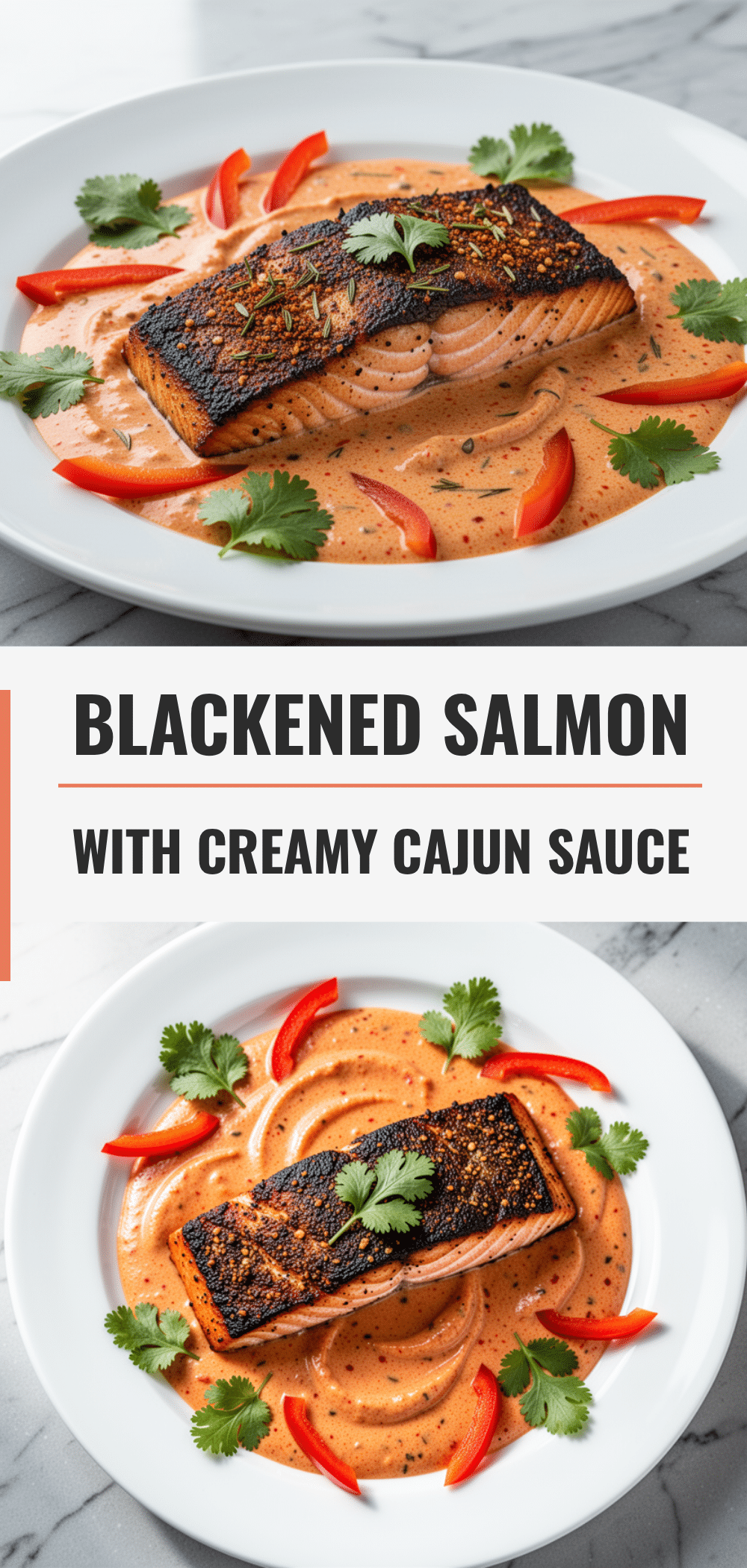

Blackened Salmon with Creamy Cajun Sauce
- Total Time: 20 minutes
- Yield: 4 servings 1x
Description
A quick and easy 20-minute dinner featuring crispy blackened salmon fillets served with a rich, spicy, and creamy Cajun sauce. Perfect for busy weeknights or impromptu dinner parties.
Ingredients
- 1.5 lbs salmon fillets (center-cut, approx. 6 oz each)
- 2 tablespoons neutral oil (avocado or grapeseed)
- 2 tablespoons blackening spice blend (paprika, cayenne, garlic powder, onion powder, thyme, oregano, brown sugar)
- 3 tablespoons unsalted butter
- 1 small yellow onion, finely diced
- 3 cloves garlic, minced
- 1 tablespoon Cajun seasoning (milder blend)
- 1 cup heavy cream (full-fat)
- 1/4 cup low-sodium chicken broth
- 1 tablespoon fresh lemon juice
- 2 tablespoons fresh parsley, chopped
- Salt and pepper to taste
Instructions
- Pat salmon fillets thoroughly dry with paper towels and let them come to room temperature for 10-15 minutes.
- Season both sides of the salmon generously with the blackening spice blend, pressing spices into the fish.
- Heat a cast-iron skillet over medium-high heat with neutral oil until it shimmers and just starts to smoke.
- Place salmon in the pan skin-side down. Sear undisturbed for 4-5 minutes until a deep blackened crust forms.
- Flip salmon gently and cook for another 3-4 minutes until internal temperature reaches 145°F (63°C). Remove from pan and cover loosely with foil.
- Reduce heat to medium. Pour out excess oil, leaving about 1 tablespoon. Add butter and melt.
- Add diced onion and cook for 2-3 minutes until softened. Add garlic and Cajun seasoning, cooking for 1 minute.
- Pour in chicken broth and scrape up browned bits (fond) from the bottom of the pan. Simmer for 1 minute.
- Reduce heat to low. Slowly pour in heavy cream, whisking constantly. Simmer gently for 2-3 minutes until sauce thickens.
- Stir in lemon juice and taste. Add salt and pepper if needed.
- Place salmon on a platter, spoon sauce over the top, and garnish with fresh parsley. Serve immediately.
Notes
Ensure salmon is completely dry before seasoning to achieve a proper blackened crust. Do not touch the fish while searing to allow the crust to form. Reduce heat to low before adding cream to prevent curdling. This recipe is naturally gluten-free but check spice blends for hidden wheat. For a lighter version, substitute half-and-half for heavy cream.
- Prep Time: 5 minutes
- Cook Time: 15 minutes
- Category: Main Course
- Cuisine: Cajun
Nutrition
- Serving Size: 1 salmon fillet with
- Calories: 480
- Sugar: 3
- Sodium: 650
- Fat: 32
- Saturated Fat: 16
- Carbohydrates: 8
- Fiber: 1
- Protein: 35
Keywords: blackened salmon, creamy cajun sauce, quick dinner, weeknight meals, seafood recipe, cast iron salmon, spicy salmon, easy fish recipe