It was a rainy November Sunday, the kind where the sky stays gray until 4 PM and your heating bill makes you nervous. I had just moved into a new apartment with a kitchen that felt too big for one person, and I was broke. I wandered into the butcher counter, staring at a wall of meat I didn’t quite understand. The butcher, a guy named Marco who always looked like he’d just finished a great shift, slid a package across the counter. “These are ugly,” he said, pointing to some short ribs. “But they’ll melt in your mouth if you give them time. Don’t overthink it.”
I took them home, threw them in a pot with a bottle of wine I bought for twelve bucks, and a few onions, and walked out of the apartment to visit a friend. When I came back three hours later, the entire building smelled like a high-end French bistro. My roommate came home, took one bite, and asked if I’d been secretly taking cooking classes. I hadn’t. I’d just followed Marco’s advice to stop overthinking it.
That was years ago. Since then, I’ve made this recipe dozens of times—sometimes with fancy ingredients, sometimes with whatever was in my pantry. But the truth is, the best version is the simplest one. You don’t need a pantry full of spices. You don’t need a degree in culinary arts. You just need good short ribs, a decent bottle of red wine, and the patience to let the oven do the work. This braised short ribs recipe has become my anchor for cold nights, dinner parties, and those times when I just need something that feels like a hug in a bowl.
Why You’ll Love This Recipe
There’s a specific kind of magic that happens when you combine tough, flavorful beef with liquid and heat over a long period. It’s not just dinner; it’s a reset button for your week. Here’s why this simple red wine short rib recipe has earned a permanent spot in my rotation:
It Does Most of the Work For You — Seriously. Once you sear the meat and dump everything in the pot, you’re done. You can go for a walk, watch a movie, or actually sleep. I’ve made this while folding laundry and hosting guests simultaneously. The oven handles the heavy lifting.
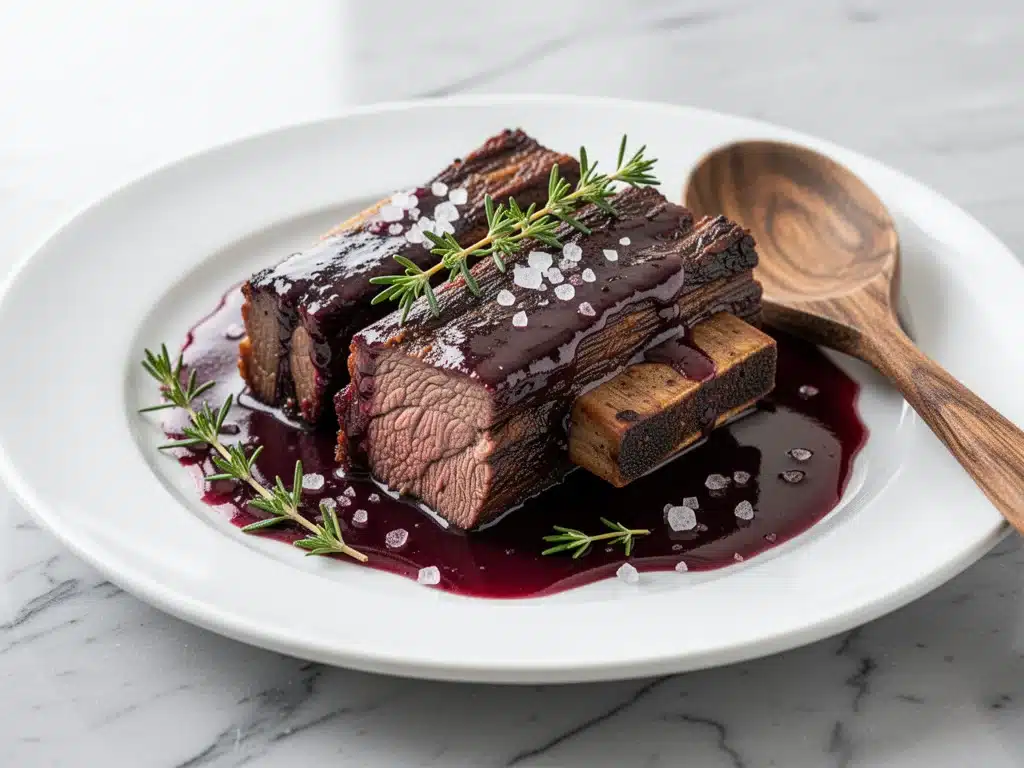
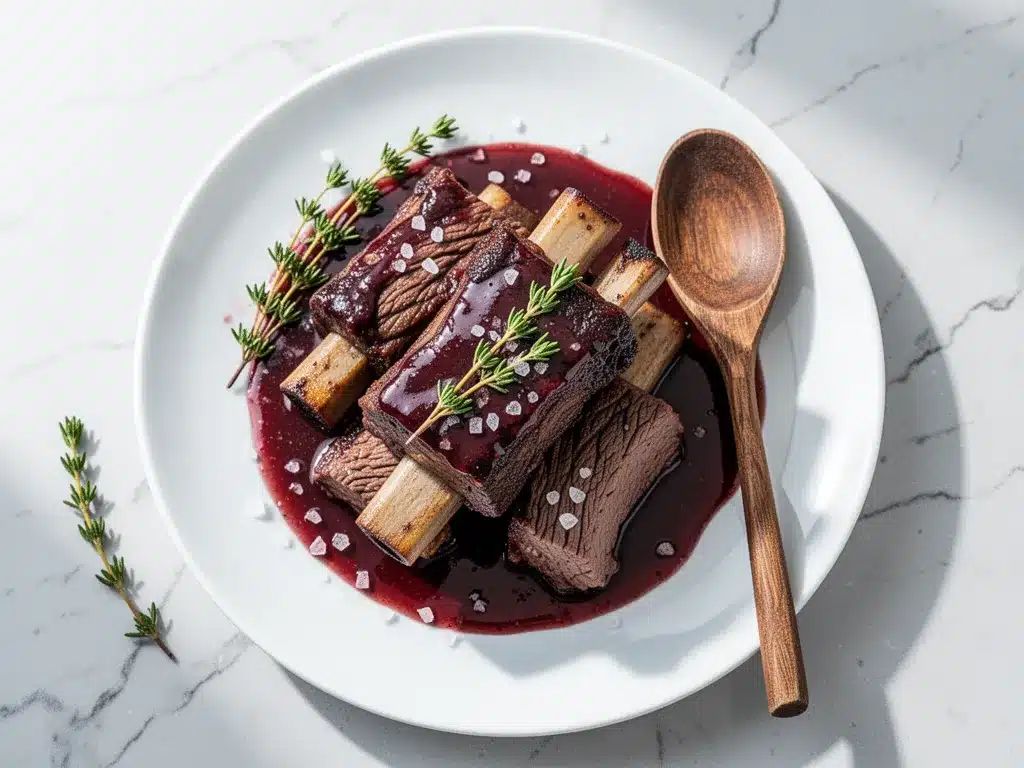
Restaurant-Quality Results at Home — People assume this is complicated because it looks fancy. When you serve this, you’re getting tender, fall-off-the-bone meat in a glossy, deep-red sauce that tastes like it took all day. Spoiler alert: it takes about 30 minutes of active work and 3 hours of passive cooking. That’s it.
Pantry-Friendly Simplicity — You probably have everything you need except the wine and the beef. This isn’t a recipe that requires you to run to three different specialty stores. It’s humble ingredients doing extraordinary things. I keep a bottle of decent red wine in the cupboard specifically for this, just in case.
Makes Incredible Leftovers — And I mean incredible. The next day, the flavors have melded so perfectly that it tastes even better. I often make this on Sunday and eat it for lunch all week. It reheats beautifully, too.
Comfort in a Bowl — There’s something deeply satisfying about digging into a bowl of beef so tender it requires no chewing. It’s primal. It’s comforting. It’s the kind of food that makes you forget about your to-do list for a while.
Ingredients You’ll Need
Here’s the best part: this recipe relies on just a handful of ingredients. The quality of these few items matters more than you’d think, so pay attention.
For the Meat
Bone-in Short Ribs (3 to 4 pounds) — This is non-negotiable. Bone-in ribs have more collagen, which breaks down into gelatin during braising. That’s what makes the sauce silky and the meat unctuous. Ask your butcher for English-cut short ribs—they’re easier to sear and eat than flap meat. If you can’t find bone-in, boneless will work, but the flavor will be slightly less rich.
For the Braising Liquid
Dry Red Wine (1 bottle, 750ml) — This is the star of the sauce. You don’t need a $50 bottle, but don’t buy the cooking wine from the vinegar aisle either. Pick something you’d actually drink—a Cabernet Sauvignon, Malbec, or a Syrah/Shiraz works beautifully. The tannins in the wine break down the connective tissue in the meat. If you don’t drink wine, you can substitute with beef broth plus a tablespoon of balsamic vinegar for that acidic depth.
Beef Broth (1 cup) — Just enough to top off the pot if the wine isn’t covering the meat completely. Use low-sodium so you can control the saltiness later.
Aromatics & Seasoning
Yellow Onions (2 large, roughly chopped) — Don’t bother dicing these finely. You want big chunks that will soften and eventually melt into the sauce. They provide the sweet base flavor.
Garlic (6-8 cloves, smashed) — Leave the skins on if you’re lazy, but smash them so they release flavor. I usually just crush them with the side of my knife. You’ll fish them out later if you want, but they don’t need to be pretty.
Tomato Paste (1 tablespoon) — This sounds like a third ingredient, but it’s crucial. It adds umami and helps thicken the sauce slightly. It’s not for acidity; it’s for depth.
Butter (2 tablespoons) — Unsalted is best so you control the salt. This gets stirred in at the end to give the sauce a glossy, restaurant-quality finish.
Flour (2 tablespoons) — For dusting the ribs. This helps with browning and thickening the sauce.
Salt and Black Pepper — Generous amounts. The meat needs to be seasoned well before it hits the pot.
Oil for Searing — Neutral oil like canola or vegetable oil. Olive oil can burn at the high heat needed for searing.
Optional Garnish
Fresh Parsley — Chopped, for a pop of color and freshness against the rich, dark sauce.
Crusty Bread or Mashed Potatoes — Not an ingredient in the pot, but essential for serving. You need something to soak up that sauce.
Equipment Needed
You don’t need fancy gear, but you do need the right pots. Here’s what I actually use:
Heavy-Bottomed Dutch Oven — This is the most important tool. A 5-6 quart Dutch oven (like a Le Creuset or a sturdy stainless steel one) retains heat evenly. If you use a thin pot, the wine will boil too fast and the meat won’t braise properly. If you don’t have a Dutch oven, a heavy roasting pan with a tight-fitting lid works too.
Sharp Chef’s Knife — For chopping onions and trimming excess fat from the ribs.
Cutting Board — Any size works.
Tongs — Essential for flipping the ribs without poking holes in them.
Strainer or Slotted Spoon — To remove the meat from the sauce later.
Whisk — For emulsifying the butter into the sauce at the end.
How to Make It: Step-by-Step
Alright, let’s get this done. It’s straightforward, but technique matters. I’m walking you through exactly how I do it to ensure tender, juicy results every time.
Step 1: Prep and Season the Meat (10 minutes)
Pat the short ribs completely dry with paper towels. This is crucial. If the meat is wet, it will steam instead of sear. Moisture is the enemy of a good crust. Season generously with salt and pepper on all sides. Then, lightly dust them with flour, shaking off any excess. The flour helps create a nice brown crust and will thicken the sauce later.
Step 2: Sear the Ribs (15 minutes)
Heat your Dutch oven over medium-high heat with a couple of tablespoons of oil. You want the oil shimmering but not smoking. Add the ribs in a single layer. Don’t crowd the pan! If you have to do two batches, do two batches. Crowding lowers the temperature and steams the meat. Sear for 3-4 minutes per side until you get a deep, dark brown crust. This Maillard reaction is where most of the flavor comes from. Transfer the seared ribs to a plate. Don’t wash the pot; those brown bits stuck to the bottom are liquid gold.
Step 3: Sauté the Aromatics (5 minutes)
Reduce the heat to medium. Add the chopped onions to the same pot. Scrape up those brown bits from the bottom with a wooden spoon. Cook the onions for 5 minutes until they start to soften. Add the smashed garlic and tomato paste. Cook for another minute, stirring constantly, until the paste darkens slightly and smells nutty. This builds the flavor base.
Step 4: Deglaze and Braise (3 hours)
Pour in the entire bottle of red wine. Let it simmer vigorously for 2-3 minutes to cook off the harsh alcohol taste. You’ll smell the wine transform from sharp to rich. Add the beef broth. Return the short ribs to the pot, nestling them into the liquid. The liquid should come about halfway up the sides of the meat. If it’s too low, add a splash more broth. Cover the pot tightly with the lid.
Transfer the pot to a preheated 325°F (160°C) oven. Braise for 2.5 to 3 hours. You’ll know it’s done when the meat is fork-tender and starting to pull away from the bone. It should look like it’s about to fall apart. If it’s not tender enough, give it another 30 minutes.
Step 5: Finish the Sauce (10 minutes)
Remove the pot from the oven. Carefully lift out the short ribs and set them on a platter. Cover them with foil to keep warm. Place the pot back on the stove over medium heat. If there’s too much fat on top, skim it off with a spoon. Let the sauce simmer uncovered for 10-15 minutes to reduce and thicken. It should coat the back of a spoon.
Remove from heat. Whisk in the cold butter, one tablespoon at a time. This step, called *monter au beurre*, gives the sauce a glossy, velvety finish. Taste and adjust salt and pepper. Pour the sauce over the ribs.
Step 6: Serve
Garnish with fresh parsley. Serve immediately with mashed potatoes, crusty bread, or buttered egg noodles. The sauce is the star here, so make sure everyone gets plenty.
Expert Tips & Tricks
I’ve made this recipe so many times that I’ve learned a few things the hard way. Here’s how to avoid my mistakes:
Don’t Skip the Sear — I know it’s tempting to just throw the meat in the wine. But that sear creates complex flavors that boiling or braising alone cannot achieve. It’s the difference between good and amazing.
Use a Wine You Like — Since the wine is a main ingredient, taste it first. If it tastes like vinegar or chemicals, your dish will too. A simple, fruity Cabernet or Malbec is perfect. Avoid overly oaky wines, as the oak flavor can clash with the beef.
Don’t Rush the Reduction — After removing the meat, if your sauce looks watery, keep simmering it. It needs to reduce until it’s slightly syrupy. If you serve it too thin, it’ll feel like soup rather than a rich sauce.
The Butter Finish is Key — Adding cold butter at the end isn’t just for show. It stabilizes the sauce and gives it that restaurant-quality shine. Don’t skip it.
Make It Ahead — This dish actually improves overnight. Make it, let it cool, and refrigerate it. The next day, skim the solidified fat from the top (it’s easy!), reheat gently, and serve. The flavors have had time to meld.
Variations & Substitutions
Once you’ve mastered the basic version, here are some ways to mix it up:
Gluten-Free — Skip the flour dusting. Thicken the sauce with a cornstarch slurry (1 tbsp cornstarch + 1 tbsp water) at the end, or just let it reduce longer.
Low-Carb — Serve over cauliflower mash or zucchini noodles instead of potatoes or pasta. The sauce is naturally low-carb.
Add Vegetables — Throw in peeled carrots and celery with the onions. They’ll soften and add sweetness. I love adding pearl onions or mushrooms in the last hour of braising.
Spicy Kick — Add a teaspoon of red pepper flakes or a dash of hot sauce when you deglaze with wine.
Non-Alcoholic — Substitute the wine with 1 cup beef broth + 2 tablespoons balsamic vinegar + 1 tablespoon red wine vinegar. It won’t have the same depth, but it works in a pinch.
Serving & Storage
How to Serve: I usually serve this straight from the platter, ladling the sauce over the top. It looks rustic and inviting. Pair it with a simple green salad to cut through the richness.
Storage: Store leftovers in an airtight container in the fridge for up to 4 days. The meat gets even more tender as it sits.
Reheating: Reheat gently on the stove over low heat. Add a splash of broth or water if the sauce has thickened too much in the fridge. Avoid the microwave, as it can make the meat rubbery.
Freezing: Yes, you can freeze this! Freeze the meat and sauce together (without the garnish) for up to 3 months. Thaw in the fridge overnight and reheat gently.
Nutrition Information
I’m not a nutritionist, but here’s a rough breakdown per serving (based on 4 servings, including sauce):
- Calories: 650
- Protein: 45g
- Carbs: 12g
- Fat: 35g
- Sodium: 400mg
This is a rich, hearty dish. The protein is high, and the carbs are low (mostly from the onions and wine). It’s not a light salad, but it’s nutrient-dense and satisfying. If you’re watching calories, skip the bread and focus on the meat and veggies.
Final Thoughts
This braised short ribs recipe has saved me on more cold nights than I can count. It’s my answer to “what’s for dinner?” when I want something that feels special but doesn’t require me to be in the kitchen all day. My family loves it, my friends ask for the recipe, and I love making it because it’s so simple yet so rewarding.
Don’t be intimidated by the long cook time. It’s mostly passive. You’re just letting the oven work its magic. Trust the process, and you’ll be rewarded with the most tender, flavorful beef you’ve ever eaten.
If you make this, let me know how it turns out! I love hearing about your kitchen adventures. And if you’re looking for another comforting dish, check out my crispy garlic chicken for a quicker weeknight option. Happy cooking!
Frequently Asked Questions
Can I use a different type of wine?
Yes, but stick to dry reds. Cabernet Sauvignon, Merlot, Malbec, or Syrah are great choices. Avoid sweet wines like Moscato or Riesling, as they will make the sauce too sweet. If you don’t drink wine, use beef broth with balsamic vinegar.
Why is my sauce too thin?
This usually means you didn’t let it reduce enough after removing the meat. Simmer it uncovered on the stove for another 10-15 minutes. You can also add a cornstarch slurry if you’re in a hurry.
Can I make this in a slow cooker?
Yes! Sear the ribs first (don’t skip this step!), then transfer everything to the slow cooker. Cook on low for 8 hours or high for 4-5 hours. You’ll still need to reduce the sauce on the stove at the end for the best texture.
What’s the best way to reheat leftovers?
Reheat gently on the stove over low heat. Add a splash of broth or water to loosen the sauce. Avoid the microwave, as it can make the meat tough.
Can I freeze the sauce separately from the meat?
Yes, you can. In fact, it might be better to store them separately so the meat doesn’t get mushy. Freeze both in airtight containers for up to 3 months.
Why did my sauce taste bitter?
This can happen if you burn the garlic or tomato paste while sautéing the aromatics. Keep the heat medium and stir constantly. Also, ensure you’re using a dry red wine, not a sweet one.
Do I have to use bone-in ribs?
It’s highly recommended. The bones add flavor and the collagen helps thicken the sauce. Boneless ribs will work, but the texture and flavor won’t be as rich.
Pin This Recipe!
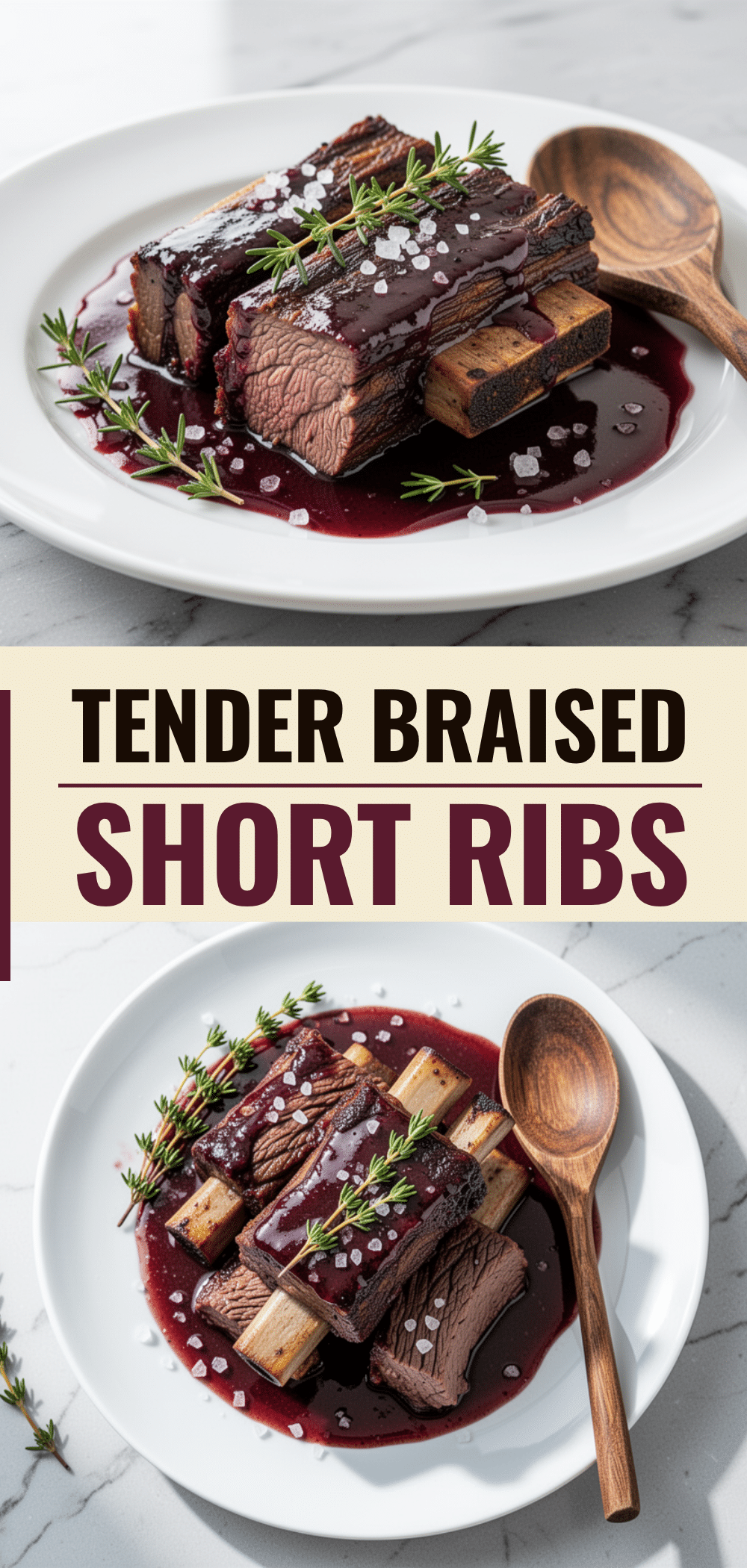
Braised Short Ribs: Best 3-Ingredient Red Wine Recipe
- Total Time: 3 hours 30 minutes
- Yield: 4 servings 1x
Description
A simple yet elegant braised short rib recipe that relies on just a few high-quality ingredients: beef, red wine, and aromatics. This dish requires minimal active work but delivers restaurant-quality, fall-off-the-bone tender meat in a rich, glossy sauce.
Ingredients
- 3 to 4 pounds bone-in short ribs (English-cut preferred)
- 1 bottle (750ml) dry red wine (Cabernet Sauvignon, Malbec, or Syrah)
- 1 cup low-sodium beef broth
- 2 large yellow onions, roughly chopped
- 6–8 cloves garlic, smashed
- 1 tablespoon tomato paste
- 2 tablespoons unsalted butter
- 2 tablespoons all-purpose flour
- Salt and black pepper, generous amounts
- Neutral oil (canola or vegetable) for searing
- Fresh parsley, chopped (optional garnish)
Instructions
- Pat the short ribs completely dry with paper towels and season generously with salt and pepper on all sides. Lightly dust the ribs with flour, shaking off any excess.
- Heat a heavy-bottomed Dutch oven over medium-high heat with oil. Sear the ribs in a single layer (in batches if necessary) for 3-4 minutes per side until a deep brown crust forms. Transfer to a plate.
- Reduce heat to medium. Add chopped onions to the pot and scrape up brown bits from the bottom. Cook for 5 minutes until softened. Add smashed garlic and tomato paste, cooking for another minute until fragrant.
- Pour in the entire bottle of red wine and let it simmer vigorously for 2-3 minutes to cook off the alcohol. Add beef broth. Return the short ribs to the pot, nestling them into the liquid. The liquid should come halfway up the meat.
- Cover the pot tightly and transfer to a preheated 325°F (160°C) oven. Braise for 2.5 to 3 hours, or until the meat is fork-tender and pulling away from the bone.
- Remove the pot from the oven and carefully lift out the short ribs, setting them on a platter and covering with foil. Place the pot back on the stove over medium heat.
- Skim excess fat from the sauce if desired. Simmer the sauce uncovered for 10-15 minutes to reduce and thicken until it coats the back of a spoon.
- Remove from heat and whisk in cold butter, one tablespoon at a time, to create a glossy finish. Taste and adjust seasoning.
- Pour the sauce over the ribs and garnish with fresh parsley. Serve immediately with mashed potatoes, crusty bread, or egg noodles.
Notes
Do not skip the searing step as it creates essential flavor. Use a wine you enjoy drinking. The dish improves overnight; refrigerate leftovers and reheat gently on the stove. For a gluten-free version, skip the flour dusting and thicken the sauce with a cornstarch slurry or by reducing longer.
- Prep Time: 30 minutes
- Cook Time: 3 hours
- Category: Main Course
- Cuisine: French
Nutrition
- Serving Size: 1 portion of short r
- Calories: 650
- Sugar: 4
- Sodium: 400
- Fat: 35
- Saturated Fat: 14
- Carbohydrates: 12
- Fiber: 2
- Protein: 45
Keywords: braised short ribs, red wine short ribs, beef recipe, comfort food, slow cooking, dinner party, easy beef recipe