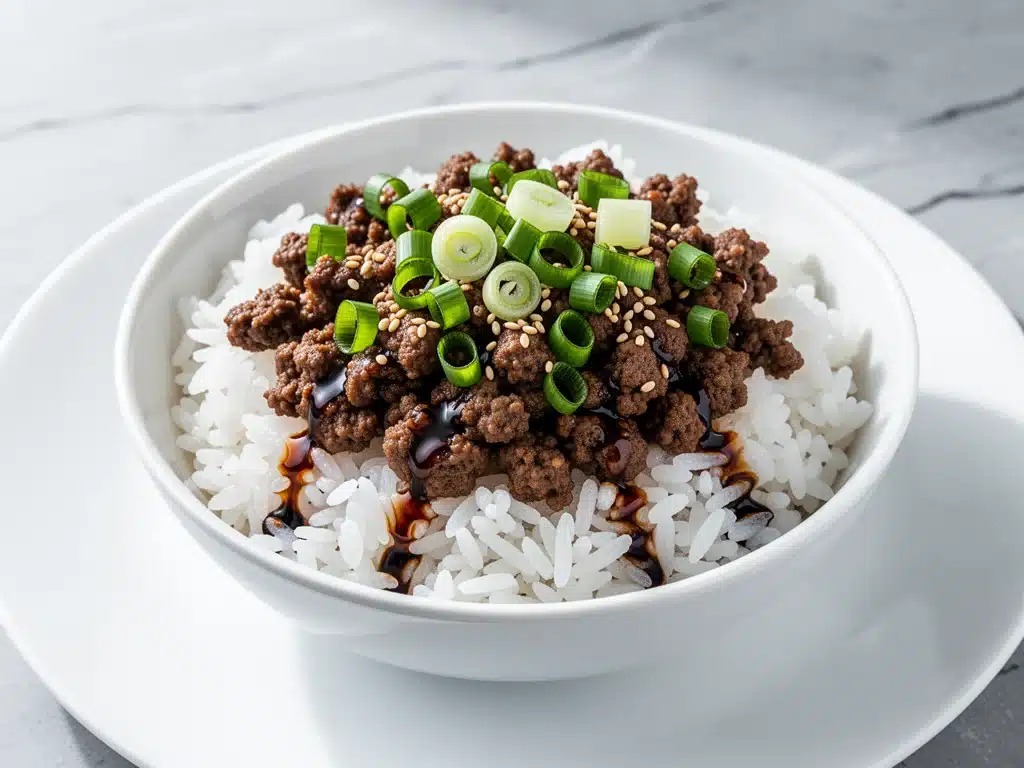
I have a confession to make. Last Tuesday, I came home from work at 6:45 PM, exhausted, hungry, and staring at a kitchen that was still messy from lunch. I had zero energy for chopping vegetables, zero patience for simmering sauces, and definitely zero desire to wait in line at the Korean BBQ place down the street. I wanted that sweet, savory, garlicky flavor of takeout, but I didn’t want the $20 price tag or the grease-stained bag sitting on my counter.
So, I did what I always do when I’m desperate: I opened the fridge and grabbed the one thing I always keep in the freezer—ground beef. I also grabbed the soy sauce, the sesame oil, and a bunch of garlic that was starting to sprout. I threw it together in a pan while my husband was changing the baby’s diaper. Ten minutes later, we were eating straight from the stove. It was fast, it was cheap, and honestly? It was better than the takeout version.
That night marked the birth of my obsession with this Korean Ground Beef Rice Bowl. Since then, I’ve made it at least twice a month. It’s become the anchor of our weekly meal plan. If I’m stressed, I make this. If we’re busy, I make this. If I just don’t feel like cooking, I make this. It’s the ultimate comfort food that comes together faster than you can order Uber Eats.
People always ask me how I make dinner so quickly on busy weeknights. The secret isn’t a fancy gadget or a complicated technique. It’s this recipe. It’s simple, it’s forgiving, and it tastes like you spent hours perfecting a sauce. But here’s the thing—you don’t need to be a chef to pull this off. You just need a skillet, some ground beef, and a willingness to trust the process.
Why This Korean Ground Beef Recipe Wins Every Time
There are a lot of beef bowl recipes out there, but this one has earned its spot in my rotation for specific, practical reasons. It’s not just about flavor (though the flavor is incredible); it’s about how it fits into real life.
- Stupid Simple — Seriously, if you can brown meat and stir a sauce, you can make this. I’ve walked my teenage son through it over FaceTime while he was at college. He didn’t burn it once.
- Lightning Fast — 15 minutes from start to finish. I know, it sounds too good to be true. But once you get into the rhythm, chopping the green onions and stirring the beef goes by in a blur. I make this on nights when I get home at 7 PM and need food on the table by 7:15.
- Pantry-Friendly — You probably have 90% of these ingredients already. Soy sauce, sesame oil, garlic, ginger, brown sugar. These are staples. I keep them stocked just so I can make this on a whim.
- Crowd-Pleaser — I’ve served this to my vegetarian sister (who swaps the beef for mushrooms), my gluten-free neighbor (using tamari), and my dad who only eats “plain food” (he loved it). Everyone asks for seconds.
- Makes Amazing Leftovers — Actually tastes better the next day. The flavors meld together overnight. I deliberately make extra for lunch throughout the week. It reheats beautifully in the microwave.
- Budget-Smart — Feeds 4 people for under $12. That’s less than one order of takeout. You’re getting actual protein and real ingredients, not processed filler.
This is my go-to when I need dinner to just work. No complicated techniques, no weird ingredients from the ethnic aisle you can’t pronounce, just reliable, delicious food that makes everyone happy.
Ingredients You’ll Need for the Best Bowl
Here’s the best part: you probably have most of this already. This isn’t a recipe that requires a special trip to the store. It’s built on basics that elevate each other.
For the Beef
Ground beef (1 pound / 450g) — I use 80/20 fat ratio. It’s juicier and more flavorful. If you want leaner, use 90/10, but it will be a bit drier. Don’t go too lean or it gets crumbly and bland.
Garlic (4-5 cloves, minced / about 1 tablespoon) — Yes, a lot of garlic. Don’t skimp. Fresh only—no jarred garlic in this recipe. The sharp bite cuts through the richness of the beef.
Fresh ginger (1 tablespoon, grated) — This is non-negotiable for me. It adds that bright, zesty kick that defines Korean flavor. If you can’t find fresh, use 1 teaspoon of ground ginger, but fresh is better.
Green onions (3-4 stalks, sliced) — I use half in the cooking and half for garnish. They add a fresh, oniony crunch that balances the heavy sauce.
For the Sauce
Soy sauce (1/3 cup / 80ml) — Use regular soy sauce, not low-sodium if you can help it. You need that salty depth. Tamari for gluten-free.
Water (1/4 cup / 60ml) — Just to thin it out slightly so it coats the beef evenly.
Brown sugar (2 tablespoons / 25g) — This is what makes it “better than takeout.” The caramelization from the brown sugar gives it that sticky, sweet glaze. White sugar works in a pinch, but brown is superior.
Sesame oil (1 tablespoon / 15ml) — Toasted sesame oil. Not the raw kind. This is the heart of the aroma. If you don’t have it, the recipe falls flat.
Sesame seeds (1 tablespoon) — Toasted white sesame seeds. They add texture and nuttiness. You can buy them pre-toasted or toast them yourself in a dry pan for 2 minutes.
Red pepper flakes (1/2 teaspoon) — Optional, but adds a nice kick. I like a little heat to balance the sweet sauce. Adjust to your spice tolerance.
Black pepper (1/2 teaspoon) — Freshly cracked. Just a little bit for background warmth.
Equipment Needed
You don’t need fancy equipment for this. Here’s what I actually use.
- Large skillet or wok — I use a 12-inch stainless steel skillet. It needs to fit a pound of beef comfortably so it browns instead of steams. A wok works great too if you have one.
- Wooden spoon or spatula — For breaking up the beef. Silicone works too. Don’t use metal on non-stick.
- Small bowl — For mixing the sauce. Saves you from adding ingredients one by one into the hot pan.
- Sharp knife — For chopping garlic and green onions. Dull knives make you cry more—learned this the hard way.
- Cutting board — Any size works. I use plastic for easier cleanup.
- Rice cooker — Optional but nice. Makes cooking the rice effortless. If you don’t have one, a pot works fine.
How to Make It: Step-by-Step
Alright, let’s make this! I’m walking you through exactly how I do it, including the little tricks I’ve picked up over the years.
Step 1: Prep Your Ingredients (5 minutes)
Before you turn on the stove, chop your green onions, mince your garlic, and grate your ginger. I know it seems fussy, but it makes the actual cooking way less stressful. Mix your sauce ingredients (soy sauce, water, brown sugar, sesame oil, red pepper flakes, black pepper) in a small bowl and set it aside. Once you start cooking, things move fast. Having everything ready is key.
Step 2: Brown the Beef (6-8 minutes)
Heat your large skillet over medium-high heat. Add the ground beef, breaking it up with your wooden spoon as it hits the pan. Don’t let it sit in one big clump. You want it to brown, not steam. Cook for 6-8 minutes, stirring occasionally, until the beef is no longer pink and has some nice browned bits. If there’s a lot of excess grease, drain it off, but leave a little bit for flavor.
Step 3: Add Aromatics (1 minute)
Push the beef to one side of the pan (or just stir it in) and add the minced garlic and grated ginger. Cook for about 30-60 seconds, stirring constantly. You want them to become fragrant but not burn. Burnt garlic tastes bitter and ruins the whole dish. If it starts to smoke, lower the heat immediately.
Step 4: Simmer the Sauce (2-3 minutes)
Pour the prepared sauce mixture over the beef. Stir everything together until the beef is well-coated. Let it simmer for 2-3 minutes. The sauce will bubble and reduce, becoming slightly thicker and sticky. This is where the magic happens—the sugar caramelizes and clings to the meat. Taste it. If you want it sweeter, add a teaspoon more brown sugar. If you want it saltier, add a splash more soy sauce.
Step 5: Finish and Serve (1 minute)
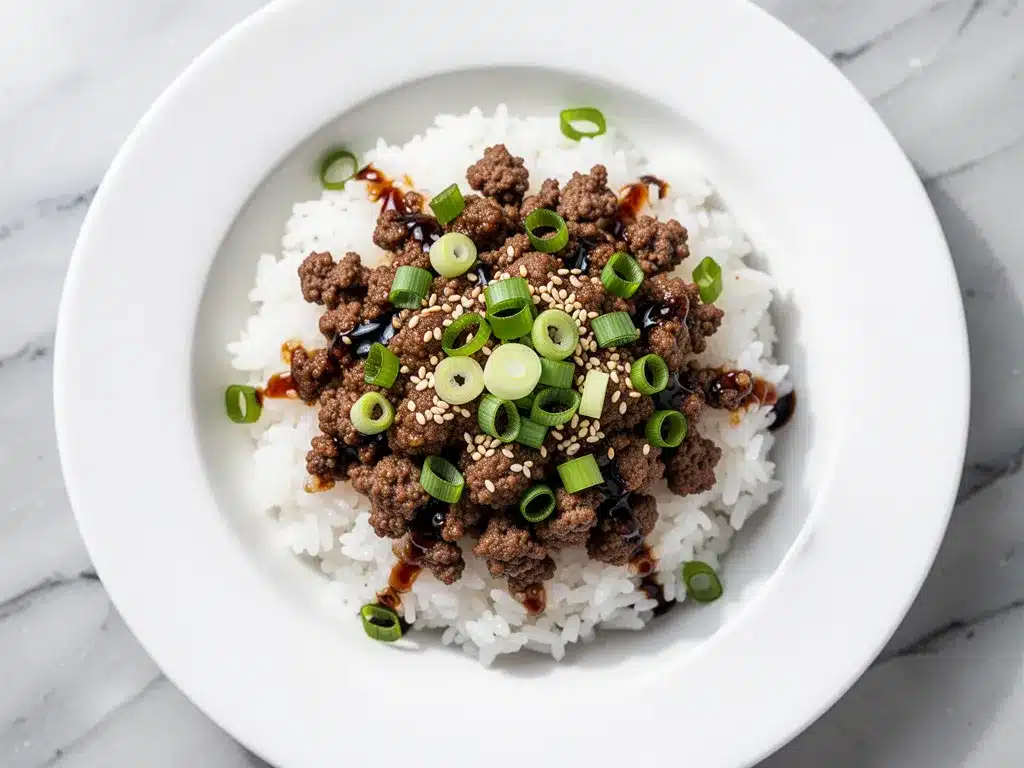
Remove the pan from heat. Stir in half of the sliced green onions. Serve immediately over hot steamed rice. Top with the remaining green onions and a generous sprinkle of sesame seeds. A drizzle of extra sesame oil on top is a nice touch if you’re feeling fancy.
Total Time: About 15 minutes (5 minutes prep, 10 minutes cooking)
Expert Tips & Tricks
Here’s everything I’ve learned from making this dozens of times. These tips will save you from my mistakes.
Don’t Crowd the Pan
If you’re making a double batch, don’t cook it all in one pan at once. The beef will steam instead of brown. I cook it in two batches. Browning creates flavor (the Maillard reaction), and steamed beef tastes bland.
The Sauce Ratio is Key
I’ve tried tweaking this sauce a lot. The 1/3 cup soy sauce to 2 tablespoons brown sugar ratio is the sweet spot. Too much sugar and it’s cloying. Too little and it’s just salty beef. Stick to this base, then adjust to your taste.
Use Low-Sodium Broth if Needed
Soy sauce can be salty. If you’re watching your sodium, use low-sodium soy sauce and add a pinch more salt at the end. Or, add a splash of water to the sauce to dilute the saltiness.
Toast Your Sesame Seeds
Raw sesame seeds are fine, but toasted ones add a nutty depth that takes the dish from “good” to “restaurant quality.” Just toss them in a dry pan over medium heat for 2 minutes until they smell fragrant and turn lightly golden.
Add an Egg
For a protein boost and rich texture, fry an egg sunny-side up and place it on top of the bowl. The runny yolk mixes with the beef and rice to create a creamy, savory sauce. It’s indulgent and delicious.
Variations & Substitutions
Once you’ve nailed the basic version, here’s how you can mix it up. I’ve tried all of these.
Protein Swaps
Ground Turkey or Chicken — Works great, but it’s leaner. Add an extra tablespoon of oil to the pan so it doesn’t dry out. The flavor is milder, so you might want to add a bit more ginger and garlic.
Ground Pork — My husband’s favorite. Pork is naturally sweeter and fattier, which pairs beautifully with the soy-sesame sauce. Use 80/20 pork for best results.
Beef Steak Strips — Slice a flank steak thinly against the grain. Marinate it in the sauce for 30 minutes, then stir-fry quickly over high heat. This is basically Korean bulgogi.
Veggie-Loaded
Spinach — Toss in 2 cups of fresh spinach in the last minute of cooking. It wilts instantly. This is how I get my kids to eat vegetables.
Mushrooms — Sauté sliced mushrooms with the beef. They absorb the sauce and add a meaty texture. Shiitake or button mushrooms work well.
Carrots and Peas — Add 1/2 cup diced carrots and 1/2 cup peas when you add the sauce. It adds sweetness and color. Not traditional, but tasty.
Dietary Modifications
Gluten-Free — Use tamari instead of soy sauce. Everything else is naturally gluten-free. Check your sesame oil label to be sure.
Lower Sugar — Reduce brown sugar to 1 tablespoon. It’s still good, just less sweet. Or use a zero-calorie sweetener like monk fruit, though the texture won’t be as sticky.
Dairy-Free — This recipe is naturally dairy-free. Perfect for those avoiding lactose.
Serving & Storage
I usually serve this straight from the skillet at the dinner table—it looks rustic and stays warm. But here are other ways I’ve enjoyed it.
Side Dishes
- Kimchi — The tangy, spicy crunch of kimchi is the perfect contrast to the sweet, savory beef.
- Cucumber Salad — Thinly sliced cucumbers with rice vinegar, sugar, and salt. Refreshing and light.
- Steamed Broccoli — Simple, healthy, and easy.
- Edamame — Sprinkle some shelled edamame on top for extra protein and color.
Storage Instructions
Refrigerator: Store the beef mixture in an airtight container for up to 4 days. The rice can be stored separately for up to 3 days. The beef actually tastes better the next day as the flavors meld.
Reheating: Best method: Add a splash of water to the beef in a skillet over medium heat. Stir until heated through. Microwave method: Heat in 30-second intervals, stirring between. Add a splash of water if it looks dry. The rice will get hard in the fridge—sprinkle it with water before microwaving to steam it back to softness.
Freezing: Yes, this freezes well! Freeze the beef mixture in portions for up to 3 months. Thaw in the fridge overnight and reheat. I do this for meal prep all the time.
Nutrition Information
I’m not a nutritionist, but here’s the breakdown if you’re tracking. This is per serving (based on 4 servings with rice).
- Calories: 450
- Protein: 25g
- Carbs: 45g
- Fiber: 1g
- Fat: 18g
- Sodium: 900mg
What’s good: High protein, satisfying, and uses real ingredients. What to know: It’s higher in sodium due to the soy sauce. You can reduce this by using low-sodium soy sauce or rinsing the beef after browning (though this loses some flavor). It’s comfort food, so enjoy it responsibly!
Final Thoughts
So that’s my go-to Korean Ground Beef Rice Bowl! I’ve probably talked your ear off at this point, but when you make a recipe this often, you have a lot to say about it. This has saved weeknight dinners more times than I can count. It’s my answer to “what’s for dinner” when I’m tired, don’t want takeout, and still want something that tastes really good.
Make it yours! Try different add-ins, swap in your favorite vegetables, adjust the garlic (though more is always better in my opinion). The best recipes are the ones you adapt to your family’s tastes. If you make this, drop a comment and let me know what you think! I love hearing how recipes turn out in your kitchen. And if something doesn’t work, tell me that too—I’m here to help troubleshoot.
Happy cooking! And I hope your kitchen smells half as good as mine does right now.
Frequently Asked Questions
Can I use ground turkey instead of beef?
Yes, you can! Ground turkey is leaner, so it won’t be as juicy. I recommend adding an extra tablespoon of oil to the pan to prevent it from drying out. The flavor will be milder, so you might want to add a bit more ginger and garlic to compensate. It’s a lighter option but still delicious.
Why is my sauce too thin?
If your sauce is too thin, just let it simmer longer. The brown sugar needs time to dissolve and thicken the sauce. Also, make sure you’re using a large skillet so the surface area is wide enough for evaporation. If it’s still too thin after 5 minutes of simmering, you can add a teaspoon of cornstarch mixed with a tablespoon of water to thicken it up.
Can I make this ahead for meal prep?
Absolutely! This is one of my favorite meal prep recipes. Cook the beef and sauce on Sunday, store it in containers, and reheat throughout the week. The flavors actually get better after a day or two. I usually cook rice in batches too, so I can just assemble a bowl in 2 minutes.
What kind of rice should I serve with this?
Short-grain white rice is the traditional choice because it’s sticky and holds the sauce well. Jasmine rice works too, but it’s fluffier. Brown rice is healthier but has a nuttier flavor that might clash slightly with the sweet sauce. I stick to white rice for the most authentic taste.
Can I freeze this recipe?
Yes! The beef mixture freezes beautifully for up to 3 months. Let it cool completely, then transfer to freezer-safe bags or containers. Thaw in the fridge overnight and reheat in a skillet with a splash of water. Do not freeze the rice separately if you plan to serve it fresh, as it gets grainy when reheated. Better to cook rice fresh.
Is this recipe spicy?
It’s mildly spicy if you add red pepper flakes. The base recipe is mostly sweet and savory. If you don’t like spice, just omit the red pepper flakes. If you want it hotter, add a teaspoon of gochujang (Korean chili paste) for authentic heat and depth.
Can I use low-sodium soy sauce?
You can, but the flavor will be less intense. If you use low-sodium, you might want to add a pinch of salt to the beef while it’s browning. Or, add a splash of regular soy sauce at the end to boost the saltiness. Taste as you go!
Pin This Recipe!
Korean Ground Beef Rice Bowl
- Total Time: 15 minutes
- Yield: 4 servings 1x
Description
A fast, flavorful, and budget-friendly weeknight dinner featuring savory-sweet ground beef in a garlic-ginger soy sauce, served over steamed rice.
Ingredients
- 1 pound ground beef (80/20 fat ratio recommended)
- 4–5 cloves garlic, minced
- 1 tablespoon fresh ginger, grated
- 3–4 stalks green onions, sliced (divided)
- 1/3 cup soy sauce
- 1/4 cup water
- 2 tablespoons brown sugar
- 1 tablespoon toasted sesame oil
- 1 tablespoon toasted white sesame seeds
- 1/2 teaspoon red pepper flakes (optional)
- 1/2 teaspoon black pepper
- Steamed rice for serving
Instructions
- Prep ingredients: Chop green onions, mince garlic, and grate ginger. In a small bowl, whisk together soy sauce, water, brown sugar, sesame oil, red pepper flakes, and black pepper. Set aside.
- Heat a large skillet or wok over medium-high heat. Add ground beef, breaking it up with a wooden spoon or spatula. Cook for 6-8 minutes until browned and no longer pink. Drain excess grease if desired, but leave some for flavor.
- Add minced garlic and grated ginger to the pan. Stir constantly for 30-60 seconds until fragrant, being careful not to burn.
- Pour the prepared sauce mixture over the beef. Stir to coat evenly and simmer for 2-3 minutes until the sauce reduces and becomes slightly thick and sticky.
- Remove from heat. Stir in half of the sliced green onions.
- Serve immediately over hot steamed rice. Top with remaining green onions and a generous sprinkle of sesame seeds.
Notes
For best results, do not crowd the pan; cook in batches if doubling the recipe. Toast sesame seeds in a dry pan for 2 minutes for enhanced nuttiness. The dish tastes even better the next day as flavors meld. Can be frozen for up to 3 months.
- Prep Time: 5 minutes
- Cook Time: 10 minutes
- Category: Main Course
- Cuisine: Korean
Nutrition
- Serving Size: 1 bowl with rice
- Calories: 450
- Sugar: 18
- Sodium: 900
- Fat: 18
- Saturated Fat: 7
- Carbohydrates: 45
- Fiber: 1
- Protein: 25
Keywords: Korean ground beef, beef bowl, quick dinner, weeknight meals, easy recipe, Asian-inspired, meal prep