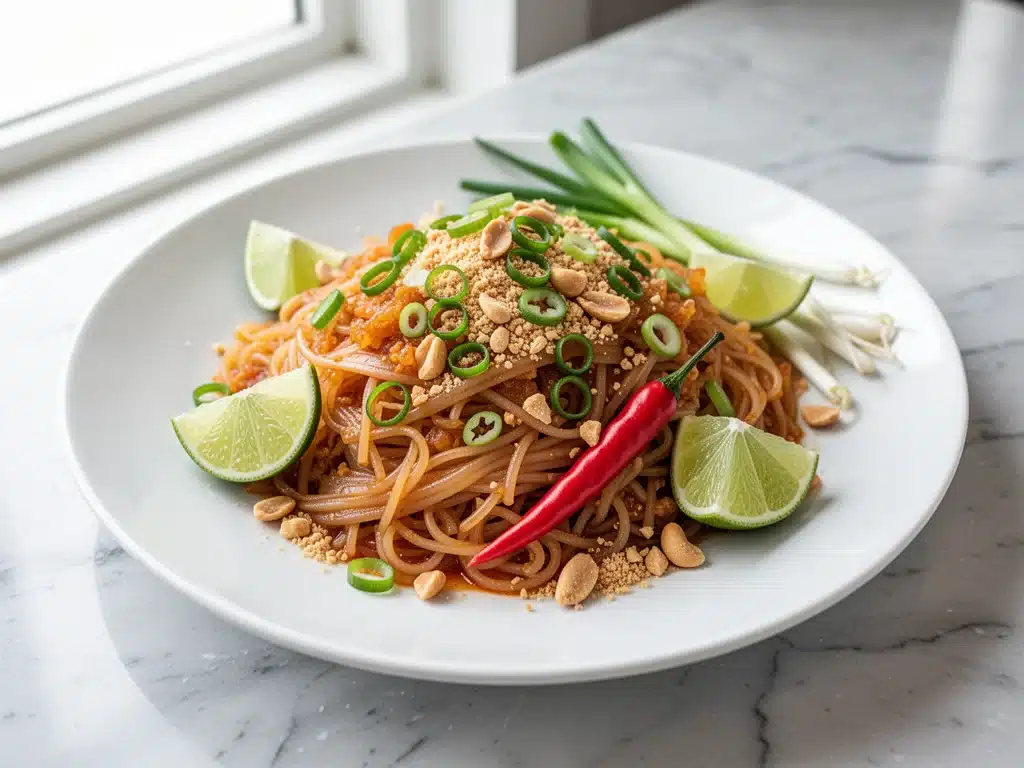
It was 11:30 PM on a Tuesday, and my stomach was making noises that would have embarrassed a teenager. I was staring at the takeout menu from that place on 4th Street—the one with the bright red lanterns and the line out the door. I knew exactly what I wanted: that perfect balance of sweet, sour, salty, and spicy that only Pad Thai seems to get right when you order it to go. But I also knew that by the time the delivery driver rang the doorbell, the noodles would be soggy, the peanuts would have gone soft, and the whole thing would cost me $25 plus a tip.
So I did what I always do when I’m too broke and too hungry to wait. I opened my pantry. I had rice noodles. I had eggs. I had a sad-looking lime and some dried shrimp I’d bought three months ago and forgotten about. I threw together a sauce in a mason jar, boiled the noodles, and tossed it all in a wok. The result? It wasn’t just “okay.” It was actually better than the takeout. The noodles had that perfect chew, the sauce was bright and tangy, and I didn’t have to wash a single dish afterward (okay, maybe two).
That night changed everything for me. I realized that Restaurant-Style Pad Thai with Tangy Tamarind Sauce better than takeout isn’t some secret culinary art reserved for Thai chefs with woks hotter than the surface of the sun. It’s just about balance. Once you understand the ratio of tamarind to fish sauce to sugar, you can make this in your own kitchen in 20 minutes flat. I’ve made this Restaurant-Style Pad Thai with Tangy Tamarind Sauce better than takeout at least forty times since that random Tuesday night. Sometimes with shrimp, sometimes with chicken, sometimes with just tofu and veggies. But the sauce? The sauce is always the same. And it’s always, hands-down, the best part.
Here’s the thing about Pad Thai: most recipes online are either too sweet, too sour, or just plain boring. They miss the depth that comes from proper tamarind paste and the umami punch of dried shrimp. This version cuts through the noise. It’s the kind of dish that makes your family stop scrolling on their phones and actually pay attention to dinner. It’s fast, it’s flavorful, and it’s infinitely better than anything you’ll get delivered.
Why You’ll Love This Pad Thai Recipe
There are a million noodle dishes out there, but this Restaurant-Style Pad Thai with Tangy Tamarind Sauce better than takeout has earned a permanent spot in our weekly rotation. It’s not because it’s complicated—it’s because it hits every single craving at once. Here’s why it works so well for us:
The Sauce is Actually Balanced — Most home recipes use ketchup and soy sauce as shortcuts. I don’t. I use real tamarind paste, fish sauce, and palm sugar (or brown sugar). The result is a complex, tangy-sweet profile that tastes like it came from a street vendor in Bangkok, not a suburban kitchen. I’ve had this sauce analyzed by my Thai friend, and she nodded approvingly. That’s a win.
Cooking Speed is No Joke — You can have this on the table in 20 minutes. Yes, twenty. I’m timing it. The prep takes about 5 minutes while the noodles soak, and the stir-fry is another 10-15 minutes. This is the ultimate “I’m tired but I want good food” meal. It’s faster than waiting for a delivery driver who can’t find your apartment.
Customizable for Everyone — My husband loves it with shrimp. I prefer it with tofu and extra broccoli. My picky eater kid loves it with chicken and extra peanuts. This Restaurant-Style Pad Thai with Tangy Tamarind Sauce better than takeout adapts to whatever is in your fridge. It’s the perfect cleanup-the-fridge meal that still tastes fancy.
Leftovers? Don’t Even Think About It — I’ve never had leftovers of this. The flavors meld together overnight, and while it’s still good the next day, it’s never as vibrant as when it’s fresh. That’s not a bad thing—it just means you’ll make it again the next week. And the next. And the next.
Basically, if you’re tired of bland stir-fries and expensive takeout, this recipe is your answer. It’s bold, it’s quick, and it’s genuinely delicious. Trust me on this one.
Ingredients You’ll Need for the Best Pad Thai
Before we get to the wok, let’s talk about what goes into this Restaurant-Style Pad Thai with Tangy Tamarind Sauce better than takeout. Some of these might look unfamiliar, but they’re easy to find now that grocery stores have better international aisles (or you can just order online). I’m particular about a few things here, so pay attention.
Rice Noodles (Sen Mee) (8 ounces / 225g) — You want the flat rice noodles, about 1/4 inch wide. Not the thin vermicelli, not the wide rice sheets. Look for “Pad Thai noodles” or “flat rice noodles” in the Asian aisle. They need to be soaked, not boiled. I use the brand Thai Kitchen because it’s consistent and widely available. Don’t skip the soaking step, or your noodles will be crunchy in the middle and mushy on the outside.
Tamarind Paste (3 tablespoons / 45g) — This is the star. Not tamarind concentrate from a bottle, but the solid paste block. You’ll need to soak it in warm water and strain it to get the liquid pulp. It provides that deep, sour tang that defines Pad Thai. If you can’t find paste, you can use lime juice, but the flavor will be different. I always keep a block of this in my pantry.
Fish Sauce (3 tablespoons / 45ml) — Yes, it smells strong. No, it won’t make the dish taste like fish. It adds saltiness and umami. Use a good quality brand like Red Boat or Squid Brand. Low-sodium versions work too, but you’ll need to adjust the salt later.
Palm Sugar (2 tablespoons / 30g) — This is traditional, but dark brown sugar works perfectly if you can’t find palm sugar. It has a caramel-like depth that white sugar lacks. I use palm sugar because it dissolves slowly and gives that authentic sticky-sweet finish.
Eggs (2 large) — Beaten. They add richness and protein. Scramble them directly into the wok for that classic street-food texture.
Garlic (4 cloves, minced) — Fresh garlic is non-negotiable. Jarred garlic just doesn’t have the punch needed here. Mince it fine so it distributes evenly.
Shallots (2 medium, thinly sliced) — They add a mild onion sweetness that balances the sour sauce. Yellow onions work in a pinch, but shallots are superior.
Protein of Choice (8-10 ounces / 250-300g) — I usually use shrimp (peeled and deveined) or chicken breast (sliced thin). Tofu is great too—use firm tofu, pressed and cubed. For the authentic taste, I often add 1 tablespoon of dried shrimp. They’re tiny, crunchy, and packed with umami. You can find them in the dried seafood section. If you hate them, skip them, but I highly recommend trying them.
Bean Sprouts (1 cup / 100g) — Fresh, raw bean sprouts. You’ll toss them in at the very end. They add crunch and freshness. Don’t cook them, or they’ll wilt into nothingness.
Green Onions (2 stalks, chopped) — For garnish and a bit of oniony bite.
Roasted Peanuts (1/4 cup / 30g, crushed) — Essential for texture. Crush them slightly with a mortar and pestle or put them in a bag and smash them with a rolling pin.
Lime (1 lime, cut into wedges) — For serving. The acidity brightens everything up right before you eat.
Red Pepper Flakes (Optional) — For heat. I like a little kick, but adjust to your tolerance.
Equipment Needed
You don’t need a professional kitchen to make this Restaurant-Style Pad Thai with Tangy Tamarind Sauce better than takeout. Here’s what I actually use:
Wok or Large Skillet — A 12-inch wok is ideal because of the curved sides, which help toss the noodles. If you don’t have one, a large non-stick skillet or a cast-iron pan works fine. Just make sure it’s big enough to hold all the ingredients without overcrowding.
Medium Saucepan — For soaking the tamarind paste and straining the pulp.
Colander — For draining the soaked noodles and the bean sprouts.
Sharp Knife and Cutting Board — For prepping the garlic, shallots, and protein. A dull knife will make mincing garlic a nightmare.
Wooden Spoon or Spatula — For stirring and tossing. Silicone works too.
Mortar and Pestle — Optional, but great for crushing peanuts and grinding spices. If you don’t have one, use a zip-top bag and a rolling pin.
Measuring Spoons and Cups — Standard stuff. Accuracy matters more here than in some other recipes because of the balance of flavors.
How to Make It: Step-by-Step
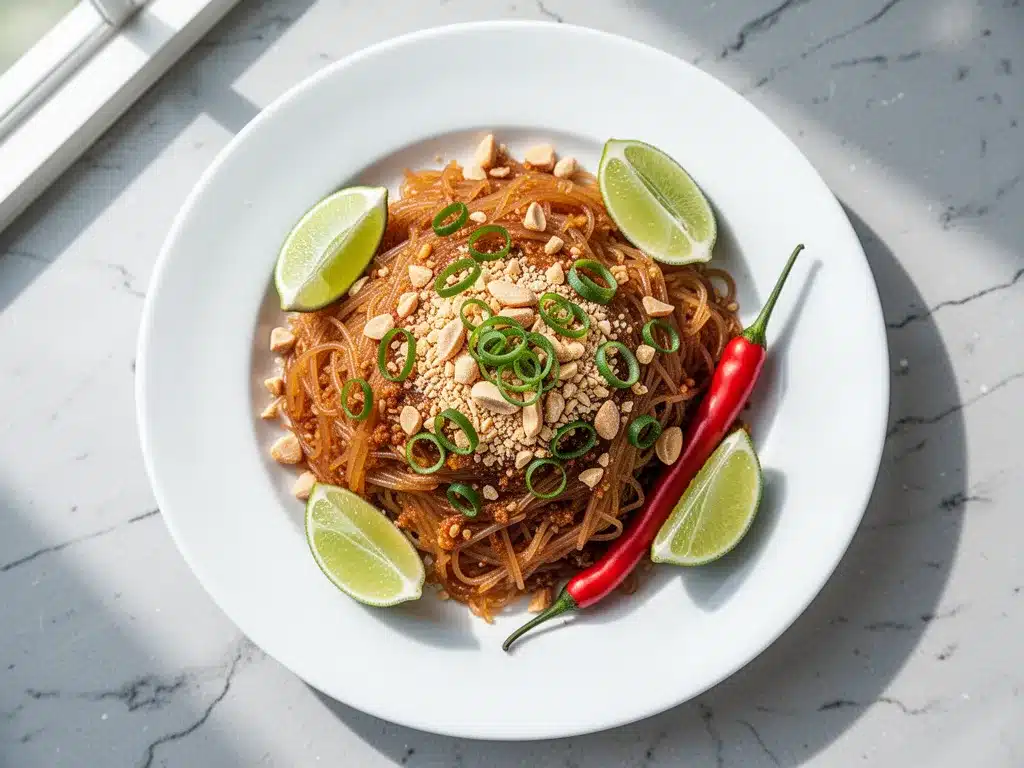
Alright, let’s get cooking. This Restaurant-Style Pad Thai with Tangy Tamarind Sauce better than takeout comes together fast, but you need to be organized. Here’s exactly how I do it.
Step 1: Prep the Tamarind Sauce (5 minutes)
In a small bowl, combine the tamarind paste and 1/4 cup of warm water. Let it sit for 5-10 minutes until the paste softens. Then, strain the mixture through a fine-mesh sieve into a small bowl, pressing on the solids to extract all the liquid. Discard the pulp. You should have about 1/3 cup of tamarind liquid. Stir in the fish sauce and palm sugar (or brown sugar) until the sugar dissolves. Taste it. It should be sour, salty, and sweet. Adjust as needed. This sauce is the heart of the dish, so get it right.
Step 2: Soak the Noodles (While you prep other ingredients)
Place the rice noodles in a large bowl and cover them with hot tap water. Let them soak for 20-30 minutes until they are pliable but still firm. Do not boil them! You want them to finish cooking in the wok. Once soaked, drain them well. If they’re too wet, they’ll steam instead of stir-fry. I usually rinse them under cold water to stop the cooking process and drain them thoroughly.
Step 3: Prep Your Protein and Vegetables
If using shrimp, peel and devein them. If using chicken, slice it into thin strips. Cube the tofu if you’re using it. Mince the garlic and slice the shallots. Chop the green onions. Have your bean sprouts washed and drained. Have your crushed peanuts ready. Mise en place is key here because the stir-fry happens fast.
Step 4: Stir-Fry the Protein
Heat a wok or large skillet over high heat. Add 1 tablespoon of oil. Once the oil is shimmering, add your protein (shrimp, chicken, or tofu). Cook until just done—about 2-3 minutes for shrimp, 4-5 minutes for chicken. Remove the protein from the wok and set aside on a plate. Don’t overcrowd the pan.
Step 5: Aromatics and Eggs
Add another tablespoon of oil to the wok. Lower the heat to medium. Add the garlic and shallots. Stir-fry for 30 seconds until fragrant. Push the aromatics to the side and pour in the beaten eggs. Scramble them quickly, breaking them into small curds. Once the eggs are just set, mix them with the aromatics.
Step 6: Toss in the Noodles and Sauce
Add the soaked noodles to the wok. Pour the tamarind sauce mixture over the noodles. Use tongs to toss everything together. The noodles will absorb the sauce quickly. If the noodles seem too dry, add a splash of water. Toss for 2-3 minutes until the noodles are tender and coated in sauce. They should be glossy and slightly sticky.
Step 7: Finish and Serve
Add the cooked protein back into the wok. Add the bean sprouts and half of the green onions. Toss everything together for 1 minute. The bean sprouts should stay crunchy. Remove from heat. Garnish with the remaining green onions, crushed peanuts, and red pepper flakes if using. Serve immediately with lime wedges on the side.
Expert Tips & Tricks
I’ve made this Restaurant-Style Pad Thai with Tangy Tamarind Sauce better than takeout so many times that I’ve learned a few tricks to ensure it’s perfect every time.
Don’t Boil the Noodles — This is the most common mistake. Soaking them in hot water is enough. If you boil them, they’ll turn to mush when you toss them in the wok. They should be firm to the bite after soaking.
High Heat is Your Friend — Stir-frying requires high heat to get that “wok hei” (breath of the wok) flavor. If your stove doesn’t get hot enough, don’t crowd the pan. Cook in batches if necessary. Overcrowding steams the food instead of frying it.
Balance is Key — Taste your sauce before you add it to the noodles. It should be stronger than you think it needs to be. The noodles and other ingredients will dilute the flavor. If it’s too sour, add more sugar. If it’s too sweet, add more fish sauce or lime juice.
Use Dried Shrimp — I know they look weird, but they add a depth of flavor that no other ingredient can replicate. They’re not mandatory, but they elevate the dish from “good” to “restaurant-quality.” If you’re sensitive to seafood, you can omit them, but try them first.
Crush the Peanuts — Don’t just sprinkle whole peanuts on top. Crush them so they stick to the noodles and add texture to every bite. A mortar and pestle is best, but a rolling pin works.
Variations & Substitutions
Once you’ve mastered the basic recipe, here are some ways to mix it up. I’ve tried all of these, and they all work.
Vegetarian Pad Thai — Skip the shrimp and dried shrimp. Use tofu instead of chicken. Substitute fish sauce with soy sauce or a vegetarian stir-fry sauce. The flavor will be slightly different but still delicious.
Chicken Pad Thai — Slice chicken breast thinly and marinate it in a little cornstarch and soy sauce before cooking. This keeps it tender. Cook it first, remove, and add it back at the end.
Seafood Pad Thai — Use a mix of shrimp and squid. Squid cooks very fast, so add it in the last minute of cooking. Overcooked squid is rubbery, so be careful.
Gluten-Free — Rice noodles are naturally gluten-free. Just make sure your fish sauce and soy sauce (if using) are gluten-free. Most fish sauces are, but check the label.
Spicy Pad Thai — Add chopped fresh chilies to the aromatics or increase the red pepper flakes. I like to add a spoonful of sriracha to the sauce for extra heat.
Serving & Storage
This Restaurant-Style Pad Thai with Tangy Tamarind Sauce better than takeout is best served fresh and hot. Here’s how I serve it:
How to Serve: I plate it in shallow bowls and garnish generously with peanuts, green onions, and lime wedges. I also put out extra chili flakes and crushed peanuts on the side so everyone can customize their bowl. It’s fun and interactive.
Side Dishes: I usually keep it simple. A side of cucumber salad with vinegar and sugar is classic. Or just a simple green salad. You don’t need much else.
Storage: Store leftovers in an airtight container in the fridge for up to 3 days. The noodles will absorb more sauce and become softer, which some people like. Reheat in a skillet with a splash of water to loosen the noodles. Microwave works too, but the texture might suffer slightly.
Freezing: I don’t recommend freezing Pad Thai. The noodles become mushy when thawed. It’s best made fresh.
Nutrition Information
I’m not a nutritionist, but here’s a rough breakdown per serving (based on 4 servings):
- Calories: 450
- Protein: 20g
- Carbs: 60g
- Fiber: 3g
- Sugar: 12g
- Fat: 15g
- Sodium: 800mg
It’s a balanced meal with carbs, protein, and veggies. If you’re watching sodium, use low-sodium fish sauce and go easy on the garnishes. If you’re counting calories, reduce the oil and peanuts. But honestly? It’s a treat. Enjoy it.
Final Thoughts
So that’s my go-to Restaurant-Style Pad Thai with Tangy Tamarind Sauce better than takeout. It’s a dish that brings me joy every time I make it. It’s complex, it’s fast, and it’s incredibly satisfying. I hope you try it and love it as much as I do. Make it yours! Add your favorite veggies, swap the protein, adjust the spice. The best recipes are the ones you make your own.
If you make this, let me know how it goes! I love hearing from you. And if you need another go-to dinner idea, check out my crispy garlic chicken recipe—it’s just as easy and pairs well with this if you’re making a feast.
Frequently Asked Questions
Can I use dried rice noodles instead of fresh?
Yes! In fact, dried rice noodles are more common for home cooking. Just make sure to soak them in hot water until pliable before stir-frying. Fresh rice noodles are usually found in the refrigerated section and cook much faster, but dried is fine.
What if I can’t find tamarind paste?
You can use tamarind concentrate, but it’s more acidic. You’ll need to adjust the sugar. Alternatively, you can use lime juice and a bit of brown sugar, but the flavor won’t be as deep. I don’t recommend skipping it entirely.
Why are my noodles sticking together?
This usually happens if you don’t drain them well after soaking, or if you don’t toss them quickly in the wok. Make sure to separate the strands with your fingers after soaking. Also, ensure your wok is hot enough to prevent sticking.
Can I make the sauce ahead of time?
Yes! The sauce can be made up to a week in advance. Store it in the fridge in an airtight container. Bring it to room temperature before using.
Is fish sauce necessary?
It adds saltiness and umami. If you can’t have it, use soy sauce or tamari. The flavor will be different, but it will still be tasty. For vegetarians, a mushroom-based soy sauce is a great substitute.
Pin This Recipe!
Restaurant-Style Pad Thai: Easy Tangy Tamarind Sauce
- Total Time: 20 minutes
- Yield: 4 servings 1x
Description
A quick, balanced, and flavorful Pad Thai recipe that rivals takeout. Featuring a tangy tamarind sauce, chewy rice noodles, and customizable proteins, this dish comes together in just 20 minutes.
Ingredients
- 8 ounces (225g) flat rice noodles (Pad Thai noodles)
- 3 tablespoons (45g) tamarind paste
- 1/4 cup warm water (for tamarind)
- 3 tablespoons (45ml) fish sauce
- 2 tablespoons (30g) palm sugar or dark brown sugar
- 2 large eggs, beaten
- 4 cloves garlic, minced
- 2 medium shallots, thinly sliced
- 8–10 ounces (250-300g) protein of choice (shrimp, chicken, or firm tofu)
- 1 tablespoon dried shrimp (optional, for umami)
- 1 cup (100g) fresh bean sprouts
- 2 stalks green onions, chopped
- 1/4 cup (30g) roasted peanuts, crushed
- 1 lime, cut into wedges
- Red pepper flakes (optional)
- Oil for stir-frying
Instructions
- Prepare the sauce: Combine tamarind paste and warm water in a bowl. Let sit for 5-10 minutes, then strain through a fine-mesh sieve to extract liquid. Discard pulp. Stir in fish sauce and palm sugar until dissolved. Taste and adjust seasoning.
- Soak the noodles: Place rice noodles in a large bowl and cover with hot tap water. Soak for 20-30 minutes until pliable but firm. Drain well and rinse with cold water if necessary.
- Prep ingredients: Peel/devein shrimp or slice chicken/tofu. Mince garlic, slice shallots, and chop green onions. Have bean sprouts and crushed peanuts ready.
- Cook protein: Heat a wok or large skillet over high heat with 1 tablespoon oil. Add protein and cook until just done (2-3 mins for shrimp, 4-5 mins for chicken). Remove and set aside.
- Cook aromatics and eggs: Add another tablespoon of oil to the wok. Lower heat to medium. Add garlic and shallots, stir-fry for 30 seconds. Push to side, pour in beaten eggs, and scramble into small curds. Mix with aromatics.
- Combine noodles and sauce: Add soaked noodles to the wok. Pour tamarind sauce mixture over noodles. Toss with tongs for 2-3 minutes until noodles are tender, glossy, and coated. Add a splash of water if too dry.
- Finish and serve: Return cooked protein to the wok. Add bean sprouts and half of the green onions. Toss for 1 minute. Remove from heat. Garnish with remaining green onions, crushed peanuts, and red pepper flakes. Serve immediately with lime wedges.
Notes
Do not boil the rice noodles; soaking them in hot water is sufficient. High heat is essential for stir-frying to achieve ‘wok hei’. Taste the sauce before adding to noodles; it should be strong as the noodles will dilute the flavor. Dried shrimp add significant umami depth but can be omitted for vegetarians. Leftovers can be stored in the fridge for up to 3 days but are best eaten fresh.
- Prep Time: 5 minutes
- Cook Time: 15 minutes
- Category: Main Course
- Cuisine: Thai
Nutrition
- Serving Size: 1 plate
- Calories: 450
- Sugar: 12
- Sodium: 800
- Fat: 15
- Saturated Fat: 3
- Carbohydrates: 60
- Fiber: 3
- Protein: 20
Keywords: Pad Thai, Thai food, tamarind sauce, rice noodles, stir fry, quick dinner, restaurant style, tangy, sweet and sour