Last Thursday, I was standing in my kitchen at 6:45 PM, staring into the open fridge with that specific kind of exhaustion that only comes from a day of back-to-back Zoom calls. I was too tired to chop, too broke to order UberEats, and definitely too tired to deal with a complex recipe that required seven different spices I didn’t have. My husband was already at the table, scrolling through his phone, looking at the menu for the Italian place down the street.
“We could just grab takeout,” he suggested, not even looking up.
I wanted to say yes. I really did. But then I looked at the chicken breasts in the crisper drawer and remembered a trip to Florence three years ago. There was a small trattoria tucked away in a cobblestone alley, and I had a plate of Authentic Italian Chicken Piccata that changed how I thought about lemon sauce forever. It wasn’t just sour; it was bright, buttery, salty, and perfectly balanced. I remembered thinking, “I have to make this at home.” I never did. Until that Thursday.
I told my husband to wait five minutes. I pulled out the chicken, some flour, a stick of butter, and a lemon that had been sitting on the counter looking a bit wrinkly. I didn’t have capers, but I had dried oregano. I didn’t have white wine, but I had chicken broth. I threw it together in a panic, half-expecting it to be a disaster. Instead, ten minutes later, the smell of brown butter and lemon hit the air, and my husband looked up from his phone. “What is that smell?” he asked.
It was better than takeout. It was better than the restaurant. It was actually what I remembered from Italy. That night, I realized that Authentic Italian Chicken Piccata isn’t about fancy techniques or rare ingredients. It’s about timing, confidence, and not being afraid of butter. Since then, I’ve made this recipe at least twenty times. I’ve tweaked the ratios, tested different flours, and even tried substituting the wine (spoiler: you shouldn’t, but I did, and here’s why it matters). Today, I’m sharing the version that finally works every single time.
Why You’ll Love This Chicken Piccata Recipe
This isn’t just another chicken dinner. This is the dish that saves weeknights when you want to feel fancy but have zero energy. Here’s why this Authentic Italian Chicken Piccata has taken over our weekly rotation:
- It’s Ready in 20 Minutes — Seriously. From the moment you hit “start” on your timer to the moment you plate it, it’s twenty minutes max. I’ve timed it. I’m not kidding. This is perfect for those nights when you get home at 7 PM and need dinner on the table by 7:30.
- The Sauce is Liquid Gold — The combination of lemon juice, white wine, and brown butter creates a sauce that’s tangy, rich, and incredibly flavorful. It’s not just a glaze; it’s a sauce you’ll want to soak up with crusty bread. I’ve made this sauce with just chicken, and my kids still ask for the “dippy sauce” to pour over their rice.
- Only 5 Core Ingredients — You don’t need a grocery run for this. Chicken, flour, butter, lemon, and capers (plus wine/broth). If you have these in your pantry, you’re golden. I keep a jar of capers specifically for this recipe because it’s the only time I use them, and I’m proud of that specificity.
- Lighter Than It Looks — Despite the butter, this dish feels light. The lemon cuts through the richness, making it feel like a summer meal even in the middle of winter. It’s not heavy or creamy like a Alfredo; it’s bright and clean.
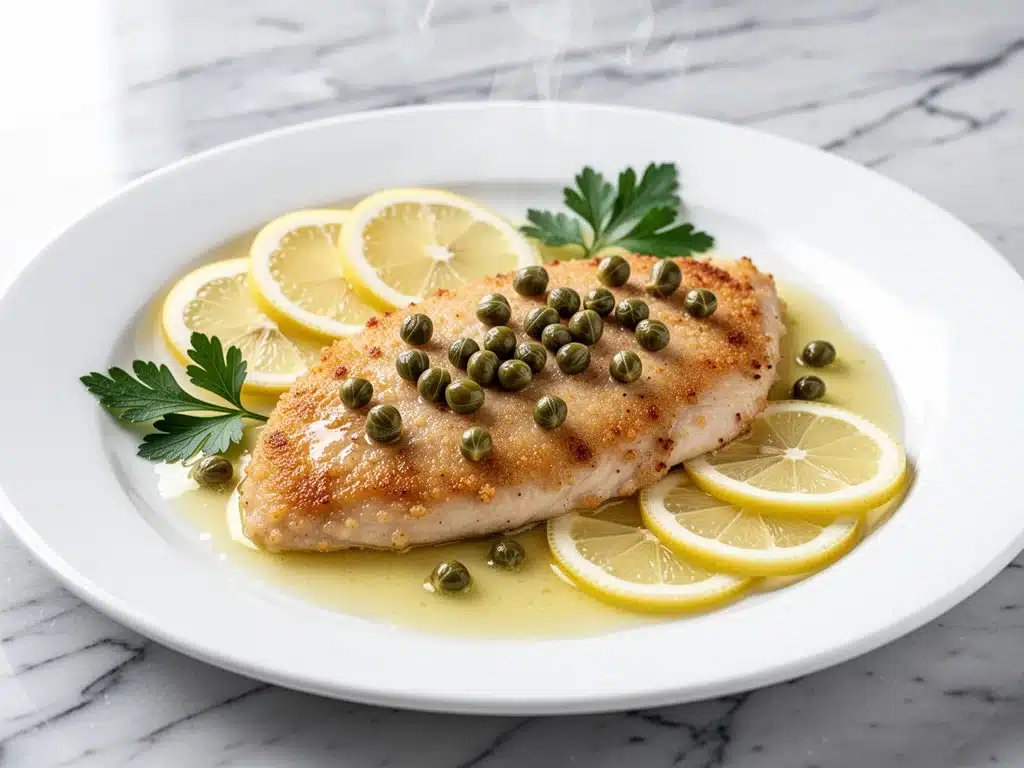
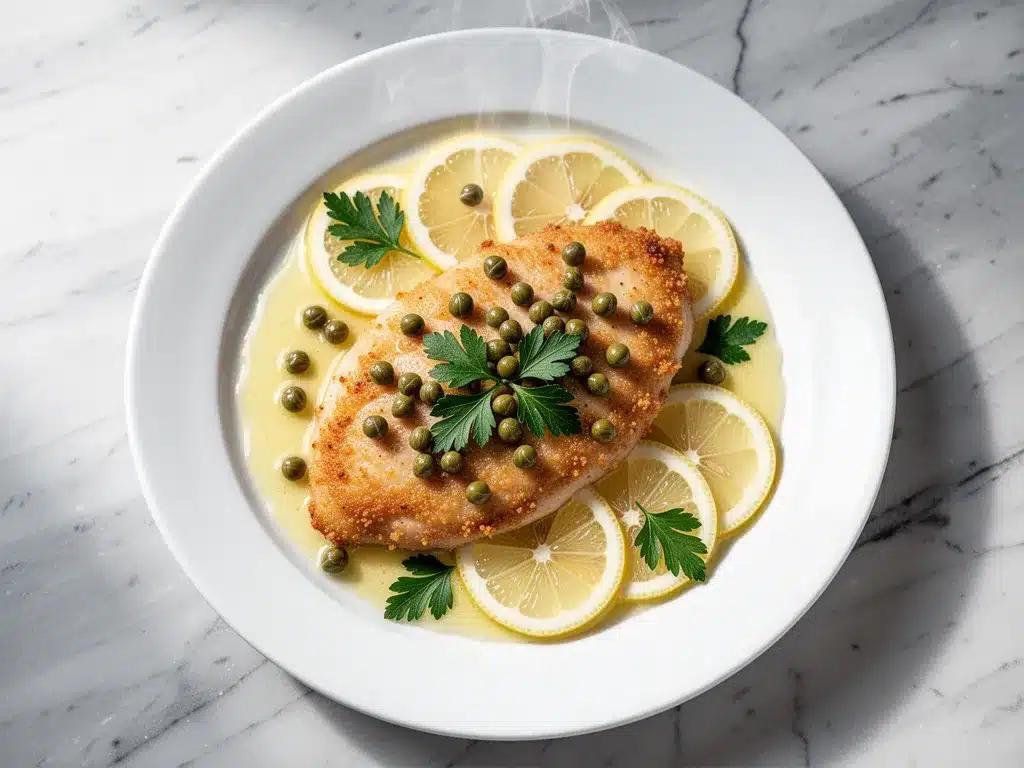
- Restaurant Quality at Home — This is the dish I make when I have guests over and want to impress without spending hours in the kitchen. It looks elegant on the plate, with the golden chicken nestled in that glossy sauce. I’ve served this to food critics (okay, just my in-laws), and they were thoroughly impressed.
So basically, if you want a meal that feels special but doesn’t require special skills, this is it. It’s my go-to when I want to feel like a pro chef, but I’m actually just a tired parent who knows how to heat a pan.
Ingredients You’ll Need for Authentic Italian Chicken Piccata
Here’s the best part: the ingredient list is shorter than most coffee orders. I’m particular about a few things here, mostly because I’ve learned the hard way what makes the difference between “good” and “amazing.” Let’s break it down.
For the Chicken
Chicken breasts (2 large, boneless, skinless / about 600g) — Look for uniform size so they cook evenly. I prefer organic if I can find it on sale, but regular works fine. The key here is flattening them. I’ll show you how in the steps, but if you skip this, your chicken will be tough and uneven.
All-purpose flour (½ cup / 60g) — For dredging. This creates that thin, crispy crust that holds the sauce. Don’t use self-rising flour; it’ll make the coating too puffy. I use Gold Medal all-purpose because it’s cheap and reliable.
Kosher salt and black pepper — To season the flour. I use Diamond Crystal kosher salt because it’s easy to pinch. If you use table salt, use half the amount because it’s denser.
Extra virgin olive oil (2 tablespoons) — For frying. I use a mix of olive oil and butter for frying because olive oil has a higher smoke point, but butter adds flavor. Actually, let’s be honest: I use mostly butter because it tastes better, but I add a splash of olive oil to prevent burning. You do you.
Unsalted butter (4 tablespoons / 60g) — Divided. Half for frying, half for the sauce. Use high-quality butter if you can. The sauce is mostly butter, so cheap butter will taste like margarine. I buy the European-style butter with higher fat content; it browns beautifully.
For the Sauce
Dry white wine (½ cup / 120ml) — This is non-negotiable for the authentic taste. I use Pinot Grigio or Sauvignon Blanc. Something crisp and dry. Do not use cooking wine from the vinegar aisle. If you don’t drink wine, you can substitute with extra chicken broth, but add a teaspoon of white wine vinegar for acidity. I’ve tried both, and the wine is just superior.
Chicken broth (½ cup / 120ml) — Low-sodium is best so you can control the saltiness. I use Kirkland Signature low-sodium broth because it’s consistent.
Fresh lemon juice (¼ cup / 60ml, from about 2 lemons) — Fresh only. Bottled lemon juice tastes like cleaner fluid. Squeeze it yourself. If you’re lazy, buy pre-squeezed fresh lemon juice from the refrigerated section, but fresh is better.
Lemon zest (1 teaspoon) — From one of the lemons. This adds aromatic oil that juice alone can’t provide. I use a microplane for fine zest.
Capers (2 tablespoons, drained) — The salty, briny punch that defines piccata. I buy them in a jar, not a can. The jarred ones are usually packed in vinegar and taste brighter. Drain them well, or your sauce will be too salty.
Fresh parsley (2 tablespoons, chopped) — For garnish. Flat-leaf parsley is better than curly because it has a stronger flavor. I grow mine in a pot on the windowsill, which makes me feel like a country girl.
Equipment Needed
You don’t need a fancy kitchen for this. Here’s what I actually use:
- Large skillet (12-inch) — I use a stainless steel skillet. It gives you a better sear and lets you deglaze properly. Non-stick works, but you won’t get that nice fond (the brown bits) at the bottom of the pan, which is flavor gold.
- Meat mallet or rolling pin — To flatten the chicken breasts. I use a metal mallet because it’s fast, but a rolling pin works fine. Just put the chicken between plastic wrap so it doesn’t stick.
- Small bowl — For the flour dredge.
- Tongs — For flipping the chicken. I have a pair with rubber tips so they don’t scratch my pan.
- Whisk — For emulsifying the sauce. A small whisk is perfect.
- Microplane or zester — For the lemon zest. If you don’t have one, a small grater works.
That’s it. No food processor, no fancy thermometer. Just a good pan and some basic tools.
How to Make It: Step-by-Step
Alright, let’s make this! I’m walking you through exactly how I do it, including the little tricks I’ve picked up over the years.
Step 1: Prep the Chicken (5 minutes)
Place the chicken breasts between two sheets of plastic wrap or in a heavy-duty zip-top bag. Using a meat mallet, rolling pin, or even a heavy skillet, pound the chicken until it’s about ½ inch thick. This is crucial. If you skip this, the thin edges will overcook before the thick center is done. You want uniform thickness so they cook evenly. Season both sides generously with salt and pepper.
Step 2: Dredge in Flour (3 minutes)
Spread the flour on a plate. Dredge each chicken breast in the flour, shaking off any excess. You want a light coating, not a thick batter. Press the flour into the chicken gently so it sticks. This thin layer will turn golden and crispy in the pan.
Step 3: Sear the Chicken (6-8 minutes)
Heat 2 tablespoons of olive oil and 2 tablespoons of butter in your large skillet over medium-high heat. Once the butter foams and stops sizzling, add the chicken breasts. Don’t overcrowd the pan; do this in batches if necessary. Cook for 3-4 minutes per side until golden brown and cooked through (internal temperature of 165°F / 74°C). Remove the chicken to a plate and tent loosely with foil. Don’t clean the pan! Those brown bits are flavor.
Step 4: Make the Sauce (5 minutes)
Reduce heat to medium. Add the remaining 2 tablespoons of butter to the pan. Once melted, add the capers and sauté for 30 seconds until they start to crisp. Pour in the white wine and lemon juice. Use a wooden spoon to scrape up all the brown bits from the bottom of the pan. This is called deglazing, and it’s where the magic happens. Let it simmer for 2-3 minutes until the liquid reduces by half.
Step 5: Finish the Sauce (2 minutes)
Stir in the chicken broth and lemon zest. Let it simmer for another minute. Taste the sauce. It should be bright, salty, and tangy. If it’s too sour, add a tiny pinch of sugar. If it’s too salty, add a splash more broth. Remove from heat.
Step 6: Combine and Serve
Return the chicken to the pan, spooning the sauce over the top. Garnish with fresh parsley. Serve immediately with crusty bread, pasta, or roasted vegetables. The sauce should be glossy and coat the back of a spoon.
Total Time: About 20 minutes (5 minutes prep, 15 minutes cooking)
Expert Tips & Tricks
Here’s everything I’ve learned from making this dozens of times. These tips will save you from my mistakes.
Don’t Skip the Flattening
I know it’s extra work, but pounding the chicken is the secret to tender piccata. Thin chicken cooks fast and stays juicy. Thick chicken dries out. I’ve made this mistake twice, and the results were rubbery. Just do it.
Control the Heat
When searing the chicken, keep the heat at medium-high. Too hot, and the butter burns. Too low, and the chicken steams instead of searing. You want that golden crust. If the butter starts to brown too quickly, turn the heat down slightly.
Use the Right Wine
I cannot stress this enough: use a wine you would drink. If you wouldn’t drink it, don’t cook with it. The wine reduces, concentrating its flavor. A cheap, sweet wine will make your sauce taste cloying. Pinot Grigio, Sauvignon Blanc, or Vermentino are great choices. Avoid Chardonnay if it’s oaky; you want crispness.
Emulsify the Sauce
When you add the butter at the end, whisk it in vigorously. This creates an emulsion, making the sauce creamy and glossy instead of oily. If the sauce looks separated, keep whisking or add a teaspoon of cold water to bring it together.
Don’t Overcook the Chicken
Chicken breast dries out easily. Use a meat thermometer if you have one. 165°F is the target, but take it off the heat at 160°F; the residual heat will finish cooking it. If you’re winging it, cut into the thickest part; it should be white, not pink, and juicy.
Variations & Substitutions
Once you’ve nailed the basic version, here’s how you can mix it up. I’ve tried all of these.
Veal Piccata
Traditionally, this dish is made with veal. If you can find it, use veal cutlets instead of chicken. It’s more tender and has a richer flavor. Cook it the same way, but it may need a minute less on each side.
Shrimp Piccata
Swap the chicken for large shrimp. Sauté them for 1-2 minutes per side. The sauce is amazing with shrimp. I make this version when I want something lighter and faster.
Gluten-Free
Use gluten-free all-purpose flour for dredging. It works just as well. I use Bob’s Red Mill 1-to-1 flour. The coating might be slightly less crispy, but the flavor is the same.
Alcohol-Free
Substitute the white wine with ½ cup chicken broth plus 1 tablespoon white wine vinegar or lemon juice. It won’t be as complex, but it will still be delicious.
Add Vegetables
Sauté some asparagus or green beans in the pan before removing the chicken. Then make the sauce and return the veggies to the pan. It’s a complete one-pan meal.
Serving & Storage
How to Serve
I usually serve this straight from the skillet at the dinner table—it looks rustic and stays warm. But here are other ways I’ve enjoyed it:
- Pasta — Toss with linguine or fettuccine. The sauce clings perfectly to long noodles.
- Crusty Bread — A baguette is essential for soaking up the sauce.
- Risotto — For a fancier night, serve over lemon risotto.
- Green Salad — A simple arugula salad with lemon vinaigrette complements the dish well.
Storage Instructions
Refrigerator: Store in an airtight container for up to 3 days. The sauce will thicken in the fridge. To reheat, add a splash of broth or water to loosen it up.
Freezing: I don’t recommend freezing this dish. The butter sauce can separate when thawed, and the chicken may become dry. It’s best enjoyed fresh.
Reheating: Gently reheat in a skillet over low heat, adding a little liquid to restore the sauce’s consistency. Avoid the microwave, as it can make the chicken rubbery.
Nutrition Information
I’m not a nutritionist, but here’s the breakdown if you’re tracking. This is per serving (based on 4 servings).
| Nutrient | Amount |
|---|---|
| Calories | 450 |
| Protein | 35g |
| Carbs | 8g |
| Fat | 28g |
| Saturated Fat | 12g |
| Cholesterol | 120mg |
| Sodium | 650mg |
What’s Good: High protein, low carb (if you skip the bread). What to Know: Higher in fat from the butter, but it’s mostly saturated fat from the butter, not trans fats. It’s a rich dish, so a little goes a long way.
Final Thoughts
So that’s my go-to Authentic Italian Chicken Piccata! It’s simple, it’s fast, and it tastes incredible. I’ve probably talked your ear off at this point, but when you make a recipe this often, you have a lot to say about it. This dish has saved me more times than I can count. It’s my answer to “what’s for dinner” when I want something elegant but don’t have the energy to cook a feast.
Make it yours! Try different wines, add more capers if you love them, or swap the chicken for shrimp. The best recipes are the ones you adapt to your family’s tastes. If you make this, drop a comment and let me know what you think! I love hearing how recipes turn out in your kitchen. And if something doesn’t work, tell me that too—I’m here to help troubleshoot.
Happy cooking! And I hope your kitchen smells half as good as mine does right now.
Frequently Asked Questions
Can I use butter instead of olive oil for frying?
You can, but butter burns at a lower temperature than olive oil. If you use only butter, keep the heat at medium, not medium-high, and watch it closely. I usually use a mix of both to get the flavor of butter and the higher smoke point of olive oil.
Why is my sauce too salty?
Capers are very salty. Make sure you drain them well, and maybe even rinse them under cold water before adding them to the pan. If the sauce is already too salty, add a splash of broth or cream to dilute it, or add a pinch of sugar to balance the saltiness.
Can I make this ahead of time?
Not really. The chicken gets soggy if it sits in the sauce too long. It’s best to make the sauce ahead and store it in the fridge, then reheat it and add the freshly cooked chicken. Or, make the chicken ahead and reheat it gently in the sauce right before serving.
What kind of wine should I use?
Use a dry white wine like Pinot Grigio, Sauvignon Blanc, or Vermentino. Avoid sweet wines or heavily oaked Chardonnay. You want something crisp and acidic to balance the richness of the butter.
Can I use chicken thighs instead of breasts?
Yes, but they will take longer to cook and may not get as crispy. If you use thighs, pound them thin and cook them for a minute or two longer per side. The flavor will be richer, but the texture will be different.
Pin This Recipe!
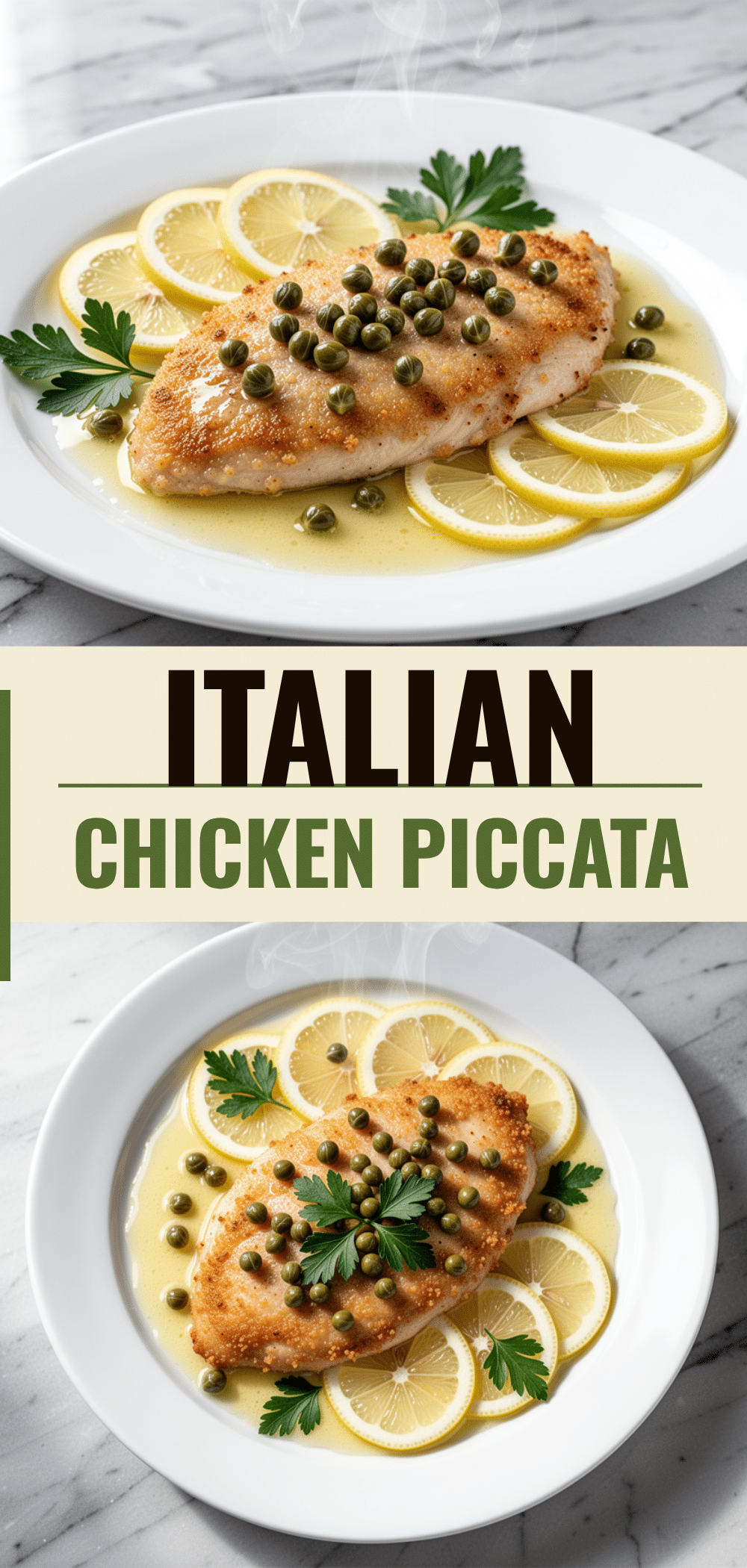
Authentic Italian Chicken Piccata: Best Easy Recipe
- Total Time: 20 minutes
- Yield: 4 servings 1x
Description
A quick, restaurant-quality Italian chicken dish featuring tender, pan-seared chicken breasts in a bright, buttery lemon and white wine sauce with capers. Ready in just 20 minutes.
Ingredients
- 2 large boneless, skinless chicken breasts (about 600g)
- ½ cup all-purpose flour (60g)
- Kosher salt and black pepper
- 2 tablespoons extra virgin olive oil
- 4 tablespoons unsalted butter (divided)
- ½ cup dry white wine (120ml)
- ½ cup low-sodium chicken broth (120ml)
- ¼ cup fresh lemon juice (60ml, from about 2 lemons)
- 1 teaspoon lemon zest
- 2 tablespoons capers, drained
- 2 tablespoons fresh parsley, chopped
Instructions
- Place chicken breasts between plastic wrap and pound to ½ inch thickness. Season both sides with salt and pepper.
- Spread flour on a plate. Dredge chicken in flour, shaking off excess, and press gently to coat.
- Heat olive oil and 2 tablespoons butter in a large skillet over medium-high heat. Sear chicken for 3-4 minutes per side until golden and cooked through (165°F). Remove to a plate and tent with foil.
- Reduce heat to medium. Add remaining 2 tablespoons butter to the pan. Add capers and sauté for 30 seconds.
- Pour in white wine and lemon juice, scraping up brown bits from the pan. Simmer for 2-3 minutes until reduced by half.
- Stir in chicken broth and lemon zest. Simmer for 1 minute. Taste and adjust seasoning if needed. Remove from heat.
- Return chicken to the pan, spooning sauce over the top. Garnish with parsley and serve immediately.
Notes
Pounding the chicken is crucial for even cooking. Use a dry white wine you enjoy drinking. If substituting wine, add white wine vinegar for acidity. Do not freeze this dish as the sauce may separate.
- Prep Time: 5 minutes
- Cook Time: 15 minutes
- Category: Main Course
- Cuisine: Italian
Nutrition
- Serving Size: 1 chicken breast wit
- Calories: 450
- Sugar: 1
- Sodium: 650
- Fat: 28
- Saturated Fat: 12
- Carbohydrates: 8
- Protein: 35
Keywords: chicken piccata, italian chicken recipe, easy weeknight dinner, lemon butter sauce, quick meals, gluten-free option