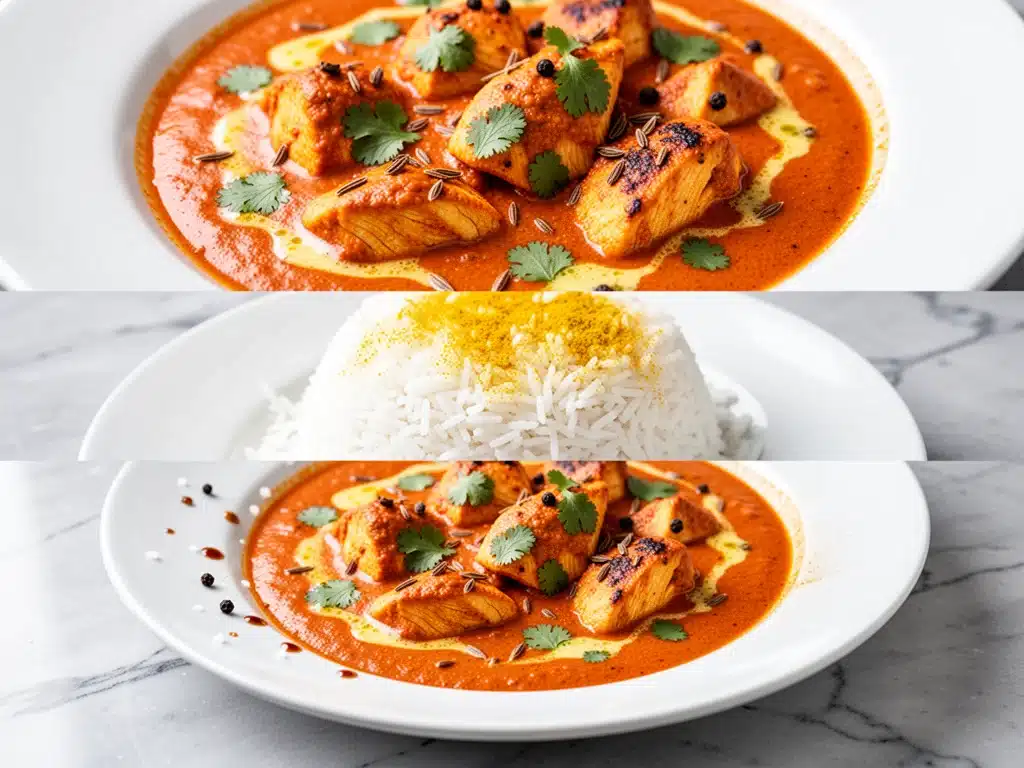
Three years ago, I ordered what I thought was the “ultimate” Chicken Tikka Masala from a local Indian restaurant. It arrived in a foil container, steaming and promising. I ate half of it in the car because I couldn’t wait. The next day, I made the same order. And the next. Within a month, I was spending more on takeout than I wanted to admit, and honestly? The quality had started to dip. It was always a bit too sweet, the chicken was always a little dry, and the sauce felt like it was made from a jar rather than simmered with care.
That was the breaking point. I realized I wasn’t just craving the flavor; I was craving the complexity. I wanted that smoky, creamy, tangy explosion that makes you close your eyes when you take the first bite. I tried buying pre-made curry pastes from the grocery store, but they always tasted flat. I tried following generic online recipes, but they either turned out too spicy for my family or too bland for my taste buds.
So, I did what any obsessive home cook does: I started experimenting. I tested over thirty versions of Chicken Tikka Masala. I burned garlic. I curdled yogurt. I used too much cream and not enough spice. But somewhere around attempt number twenty-two, I hit it. The perfect balance of charred, marinated chicken swimming in a rich, velvety tomato sauce with just the right amount of warmth. This Better-Than-Takeout Chicken Tikka Masala isn’t just a recipe; it’s my solution to the “what’s for dinner” crisis when I want something gourmet without the takeout price tag or the wait.
It’s become the dish that saves my weeknights. When I’m tired, or when my kids are being picky, I make this. And every single time, the reaction is the same: “Is this from that restaurant?” The answer is always no, but it tastes better because I know exactly what’s in it. No preservatives, no mystery ingredients, just real food made with love (and a lot of good spices).
Why You’ll Love This Recipe
There are a hundred reasons I keep coming back to this Chicken Tikka Masala, but if I had to narrow it down to the ones that matter most for your dinner table, here they are:
- It’s Actually Authentic-Tasting — Most home versions miss the smoky char that comes from a tandoor oven. I’ve cracked the code on how to get that grill mark flavor in a regular home kitchen using just your stovetop. It’s the secret weapon that makes people think you ordered out.
- Minimal Active Prep — You might look at the ingredient list and think, “Wow, that’s a lot of spices.” But here’s the thing: you’re just mixing them together. The actual hands-on cooking time is about 20 minutes. The rest is simmering and doing whatever else you want to do.
- Freezes Like a Dream — Unlike many cream-based sauces, this one freezes beautifully. I make a double batch every time I cook it. Half goes in the freezer for those nights when I’m too exhausted to think, and it tastes just as good reheated as it did fresh.
- Customizable Heat Level — Love it hot? Add more cayenne. Prefer it mild? Skip the chili powder and use sweet paprika. This recipe is a canvas. My husband likes it fiery, my daughter likes it mild, and I like it in the middle. Everyone wins.
- Pantry Staples — You don’t need to go to a specialty Asian market for this. Everything you need is likely in your current spice rack or the main grocery store. Garam masala, cumin, turmeric, yogurt, tomato sauce—these are basics.
This is the recipe that makes you feel like a pro in the kitchen without the stress. It’s comforting, it’s flavorful, and it’s reliable. Once you make it, you’ll never go back to the foil container.
Ingredients You’ll Need
Here’s the best part: this recipe relies on high-quality ingredients, but you don’t need anything exotic. I’m particular about a few things, though, and I’ll tell you exactly why.
For the Chicken Marinade
Chicken thighs (2 pounds / 900g) — Boneless, skinless. I use thighs because they stay juicy. Breast meat tends to dry out in the marinade and then again in the sauce. Thighs are forgiving.
Greek yogurt (1 cup / 240g) — Full-fat is best here. It tenderizes the chicken and helps the spices stick. Low-fat yogurt can separate and turn watery. Don’t skimp.
Lemon juice (2 tablespoons / 30ml) — Freshly squeezed. Bottled juice tastes metallic and kills the flavor. A little acidity cuts through the richness of the yogurt.
Ginger (1 tablespoon / 15g, fresh grated) — Fresh ginger is non-negotiable. It adds a bright, zesty kick that powder just can’t match. Grate it on a microplane for a fine paste.
Garlic (4 cloves, minced) — Fresh garlic, obviously. Jarred garlic has a sulfurous taste that doesn’t belong in a delicate marinade.
Garam Masala (2 teaspoons) — This is the heart of the dish. Use a fresh jar. Old garam masala is just dusty powder. If yours is more than six months old, buy a new one.
Turmeric (1 teaspoon) — For that vibrant yellow color and earthy base flavor.
Cayenne Pepper (½ teaspoon) — Adjust based on heat preference. Start with less if you’re sensitive.
Salt (1 teaspoon) — Kosher salt is best for controlling seasoning.
For the Masala Sauce

Butter (3 tablespoons / 45g) — Unsalted. Butter adds a luxurious mouthfeel that oil can’t replicate. I use European-style butter if I can find it, but regular works fine.
Onion (1 large, finely diced) — Yellow onion. You want it to dissolve into the sauce, so dice it small.
Garlic (3 cloves, minced) — More garlic never hurts in this sauce.
Tomato Sauce (1 can / 28oz / 800g) — Pureed tomatoes or crushed tomatoes. Look for a brand with no added sugar. Many Indian restaurant sauces are surprisingly sweet because they use sugary tomato sauces. Avoid that.
Tomato Paste (2 tablespoons) — This deepens the tomato flavor and adds body. It’s not optional.
Heavy Cream (½ cup / 120ml) — Adds the signature creaminess. Half-and-half works in a pinch, but heavy cream is the real deal.
Garam Masala (1 teaspoon) — A second hit of spice for the sauce.
Cumin (1 teaspoon, ground) — Adds a warm, nutty undertone.
Paprika (1 teaspoon, smoked if possible) — Smoked paprika adds that tandoor-like char. If you don’t have it, regular paprika is fine.
Water or Chicken Broth (½ cup / 120ml) — To adjust consistency.
Fresh Cilantro (¼ cup, chopped) — For garnish. Adds freshness and color.
Equipment Needed
You don’t need fancy gadgets for this. Here’s what I actually use:
- Large Skillet or Dutch Oven — I use a 12-inch stainless steel skillet. It needs to be wide enough to sear the chicken properly. A Dutch oven works too if you prefer deeper pots.
- Blender or Immersion Blender — Optional but helpful. If you want a perfectly smooth sauce, blend the cooked tomato-onion mixture. I like a bit of texture, so I sometimes skip this, but blending makes it restaurant-quality.
- Measuring Spoons — Essential for spices. Eyeballing garam masala can lead to bitter or overpowering results.
- Zester or Microplane — For the fresh ginger and lemon zest (if you use it).
- Sharp Knife — For dicing onions and mincing garlic. A dull knife makes mincing garlic a struggle.
Don’t have a blender? No problem. Just cook the onions until they’re very soft and mash them into the sauce with the back of your spoon. It won’t be as smooth, but the flavor will be there.
How to Make It: Step-by-Step
Alright, let’s make this! I’m walking you through exactly how I do it, including the little tricks I’ve picked up over the years.
Step 1: Marinate the Chicken (10 minutes prep, 30+ minutes rest)
In a large bowl, whisk together the Greek yogurt, lemon juice, grated ginger, minced garlic, 2 teaspoons garam masala, turmeric, cayenne, and salt. Add the chicken thighs and toss to coat evenly. Make sure every piece is covered in the marinade. Cover and refrigerate for at least 30 minutes, but ideally 2-4 hours. This tenderizes the chicken and infuses it with flavor. If you’re short on time, 30 minutes works, but longer is better.
Step 2: Sear the Chicken (10 minutes)
Heat a large skillet over medium-high heat. Add a tablespoon of oil. Remove the chicken from the marinade, letting excess drip off. Sear the chicken pieces in batches. You want a good char on the outside, about 3-4 minutes per side. Don’t overcrowd the pan! If you put too many pieces in, they’ll steam instead of sear. Once seared, remove the chicken from the pan and set aside on a plate. It doesn’t need to be cooked through yet.
Step 3: Build the Sauce Base (5 minutes)
In the same skillet, reduce heat to medium. Add the butter. Once melted, add the diced onion. Cook for 5-6 minutes until soft and translucent. Add the minced garlic and cook for 1 minute until fragrant. Be careful not to burn the garlic. Stir in the tomato paste and cook for 1 minute to deepen its flavor. This step is crucial for building a rich, complex base.
Step 4: Simmer the Sauce (15 minutes)
Pour in the tomato sauce, smoked paprika, cumin, and garam masala. Stir well to combine. Bring to a gentle simmer. Let it cook for 10-15 minutes, stirring occasionally. The sauce will thicken and the raw tomato taste will cook out. If it looks too thick, add a splash of water or chicken broth. Taste and adjust salt and spice. This is your chance to make it perfect before adding the chicken back in.
Step 5: Combine and Finish (5 minutes)
Return the seared chicken (and any juices on the plate) to the sauce. Spoon some sauce over the top of the chicken. Cover and simmer on low heat for 5-10 minutes, or until the chicken is cooked through (internal temperature of 165°F / 74°C). Remove from heat. Stir in the heavy cream. Do not boil after adding cream, or it might separate. Let it sit for a minute to meld.
Step 6: Serve
Ladle the Chicken Tikka Masala into bowls. Garnish with fresh cilantro and a dollop of plain yogurt if you like. Serve immediately with basmati rice or warm naan bread. The steam rising off the dish should make your mouth water.
Expert Tips & Tricks
Here’s everything I’ve learned from making this dozens of times. These tips will save you from my mistakes.
- Don’t Skip the Sear — The searing step is what gives the chicken that smoky, charred flavor that mimics a tandoor oven. If you just boil the chicken in the sauce, it’ll be bland. Take the time to get those brown spots.
- Use Full-Fat Yogurt — Low-fat yogurt contains more water and can curdle when heated. Full-fat Greek yogurt is stable and creamy. It’s worth the extra calories.
- Toast Your Spices — If you have time, toast your garam masala and cumin in a dry pan for 30 seconds before adding them to the sauce. It releases their essential oils and makes the flavor pop.
- Blend for Smoothness — If you want that silky, restaurant-style sauce, blend the onion-tomato mixture before adding the chicken. It’s a game-changer for texture.
- Let It Rest — Like many curries, this tastes even better the next day. The flavors have time to meld and deepen. Don’t be surprised if day two is better than day one.
Common Mistakes to Avoid:
- Sauce is too acidic — If the tomato taste is too sharp, add a teaspoon of sugar or a pinch of baking soda to balance it.
- Chicken is dry — You likely overcooked it. Chicken thighs are forgiving, but they still have a limit. Check the temperature.
- Sauce is too thin — Simmer it longer. Or add a tablespoon of tomato paste and cook it out.
Variations & Substitutions
Once you’ve nailed the basic version, here’s how you can mix it up. I’ve tried all of these.
- Vegan Tikka Masala — Swap chicken for chickpeas or firm tofu. Use coconut yogurt and coconut cream. The flavor profile stays the same; the protein just changes.
- Chicken Breast — You can use breast meat, but it’s leaner. Marinate for less time (30 minutes max) and don’t overcook it. Thighs are still my preference for juiciness.
- Mild Version — Skip the cayenne and use sweet paprika. Use mild garam masala. Great for kids or spice-averse friends.
- Spicy Version — Add 1 teaspoon of red chili powder or a diced fresh jalapeño to the sauce. Or serve with a side of sriracha.
- Coconut Tikka Masala — Replace heavy cream with coconut cream. Adds a tropical twist that’s delicious.
Serving & Storage
How to Serve:
I usually serve this straight from the skillet at the dinner table—it looks rustic and stays warm. But here are other ways I’ve enjoyed it:
- Basmati rice (fluffed and steamed)
- Warm naan or pita bread for scooping
- Over quinoa for a lighter option
- With a side of cucumber raita to cool the heat
Storage Instructions:
Refrigerator: Store in an airtight container for up to 4 days. The sauce will thicken in the fridge—totally normal.
Reheating: Best method: Add to a skillet with a splash of milk or cream over low heat. Stir until heated through and creamy again. Microwave method: Heat in 30-second intervals, stirring between. Add a splash of milk if it’s too thick.
Freezing: This freezes well! Let it cool completely, then freeze in portions for up to 3 months. Thaw in the fridge overnight and reheat gently. The texture might change slightly, but the flavor remains excellent.
Nutrition Information
I’m not a nutritionist, but here’s the breakdown if you’re tracking.
Per Serving (based on 6 servings):
- Calories: 450
- Protein: 35g
- Carbs: 25g
- Fiber: 4g
- Sugar: 12g (from tomatoes)
- Fat: 22g
- Saturated Fat: 10g
- Cholesterol: 110mg
- Sodium: 600mg
What’s Good: High in protein, decent fiber from tomatoes and spices. You can control sodium by using low-sodium tomato sauce.
What to Know: Higher in calories due to cream and chicken skin (if used). Contains dairy. Can be made lower-calorie by using skim milk and less cream.
Final Thoughts
So that’s my go-to Chicken Tikka Masala! I’ve probably talked your ear off at this point, but when you make a recipe this often, you have a lot to say about it. This has saved weeknight dinners more times than I can count. It’s my answer to “what’s for dinner” when I’m tired, don’t want takeout, and still want something that tastes really good. My kids are happy, my husband’s happy, and I’m happy because I’m not stressed about cooking.
Make it yours! Try different add-ins, swap in your favorite vegetables, adjust the garlic (though more is always better in my opinion). The best recipes are the ones you adapt to your family’s tastes.
If you make this, drop a comment and let me know what you think! I love hearing how recipes turn out in your kitchen. And if something doesn’t work, tell me that too—I’m here to help troubleshoot.
Happy cooking! And I hope your kitchen smells half as good as mine does right now.
Frequently Asked Questions
Can I use chicken breast instead of thighs?
You can, but thighs are much more forgiving. Breast meat can dry out quickly, especially with the acid in the yogurt marinade. If you use breast, marinate for no more than 30 minutes and cook it gently to avoid drying it out. Thighs stay juicy and tender even if you overcook them slightly.
Why is my sauce too thin?
It probably just needs more simmering time. The tomato sauce releases a lot of water. Let it cook uncovered on medium-low heat for another 10-15 minutes. You can also add a tablespoon of tomato paste and cook it in to thicken it up. If you’re in a rush, a cornstarch slurry (1 tsp cornstarch + 1 tsp water) works, but simmering is the best way.
Can I make this ahead?
Yes! In fact, it often tastes better the next day. You can make the sauce and marinate the chicken up to 2 days in advance. Just cook the chicken and combine everything when you’re ready to eat. This is great for meal prep.
What spice makes Tikka Masala red?
It’s usually a combination of paprika (often smoked) and tomato paste. Some recipes use food coloring, but real restaurants rely on the natural color of ripe tomatoes and paprika. If you want it redder, add a bit more paprika or a pinch of chili powder.
Can I freeze this?
Absolutely. Let it cool completely, then freeze in airtight containers for up to 3 months. Thaw in the fridge overnight. When reheating, add a splash of cream or milk to restore the creamy texture. It freezes surprisingly well compared to other cream-based sauces.
Is this spicy?
It’s moderately spicy, but you control the heat. The cayenne and garam masala provide warmth, not burn. If you want it mild, skip the cayenne and use sweet paprika. If you want it hot, add more cayenne or a diced jalapeño.
What do I serve with Chicken Tikka Masala?
Basmati rice is the classic choice. Naan bread is perfect for scooping up the sauce. A simple cucumber raita (yogurt with cucumber and mint) helps cool the palate. I also love it with a side of sautéed spinach or roasted cauliflower.
Pin This Recipe!


Better-Than-Takeout Chicken Tikka Masala: Best Easy Recipe
- Total Time: 40 minutes
- Yield: 6 servings 1x
Description
A rich, velvety Chicken Tikka Masala recipe that mimics the smoky flavor of a tandoor oven using simple stovetop techniques. This dish features tender, marinated chicken thighs in a creamy tomato sauce, offering an authentic taste without the takeout price tag.
Ingredients
- 2 pounds boneless, skinless chicken thighs
- 1 cup full-fat Greek yogurt
- 2 tablespoons fresh lemon juice
- 1 tablespoon fresh grated ginger
- 4 cloves garlic, minced
- 2 teaspoons garam masala (for marinade)
- 1 teaspoon turmeric
- ½ teaspoon cayenne pepper
- 1 teaspoon kosher salt
- 3 tablespoons unsalted butter
- 1 large yellow onion, finely diced
- 3 cloves garlic, minced
- 1 can (28oz) pureed or crushed tomatoes
- 2 tablespoons tomato paste
- ½ cup heavy cream
- 1 teaspoon garam masala (for sauce)
- 1 teaspoon ground cumin
- 1 teaspoon smoked paprika
- ½ cup water or chicken broth
- ¼ cup fresh cilantro, chopped
Instructions
- In a large bowl, whisk together Greek yogurt, lemon juice, grated ginger, minced garlic, 2 teaspoons garam masala, turmeric, cayenne, and salt. Add chicken thighs and toss to coat evenly. Cover and refrigerate for at least 30 minutes (ideally 2-4 hours).
- Heat a large skillet over medium-high heat with a tablespoon of oil. Remove chicken from marinade, letting excess drip off. Sear chicken in batches for 3-4 minutes per side until charred. Remove chicken and set aside.
- In the same skillet, reduce heat to medium and melt butter. Add diced onion and cook for 5-6 minutes until soft. Add minced garlic and cook for 1 minute until fragrant. Stir in tomato paste and cook for 1 minute.
- Pour in tomato sauce, smoked paprika, cumin, and 1 teaspoon garam masala. Stir to combine and bring to a gentle simmer. Cook for 10-15 minutes until thickened. Adjust consistency with water or broth if needed.
- Return seared chicken and any juices to the sauce. Spoon sauce over chicken. Cover and simmer on low for 5-10 minutes until chicken reaches an internal temperature of 165°F.
- Remove from heat and stir in heavy cream. Do not boil after adding cream. Let sit for a minute to meld flavors.
- Ladle into bowls, garnish with fresh cilantro, and serve immediately with basmati rice or naan bread.
Notes
For a smoother sauce, blend the onion-tomato mixture before adding the chicken. The dish freezes well for up to 3 months. If the sauce is too acidic, add a teaspoon of sugar. For a vegan version, swap chicken for chickpeas and dairy for coconut products.
- Prep Time: 10 minutes
- Cook Time: 30 minutes
- Category: Main Course
- Cuisine: Indian
Nutrition
- Serving Size: 1 bowl with rice or
- Calories: 450
- Sugar: 12
- Sodium: 600
- Fat: 22
- Saturated Fat: 10
- Carbohydrates: 25
- Fiber: 4
- Protein: 35
Keywords: chicken tikka masala, indian recipe, easy dinner, creamy tomato sauce, chicken thighs, homemade curry, weeknight dinner