I still remember the exact moment I realized my carrot cake was lying to me. It was three years ago, and I had just pulled a perfectly golden, towering 9-inch round from the oven. It smelled like cinnamon and nostalgia. I cut a slice, took a bite, and… it was dry. Not “needs a glass of milk” dry. It was “sand in a teacup” dry. I stared at that crumb, heart sinking, because I had followed the recipe to the letter. The measurements were right. The oven temperature was spot on. So why did it taste like cardboard?
The problem wasn’t the carrots. The problem was the frosting, and more specifically, the butter I used to make it. Standard cream cheese frosting is wonderful, sure. It’s tangy, sweet, and classic. But when paired with a dense, spiced cake, it often feels heavy. It sits on top of the cake rather than marrying with it. That dryness I experienced? It was the cake screaming for moisture that the traditional frosting couldn’t provide.
So, I stopped following recipes for a week and started playing with technique. I decided to try one thing that seemed almost too simple: browning the butter for the frosting. I’ve used honey butter cornbread before, where browned butter added a nutty depth I couldn’t get from regular butter, but I never thought to apply it to a cake frosting. I was skeptical. Brown butter tastes like toffee and hazelnuts. Would it clash with the tang of cream cheese? Would it make the frosting too oily?
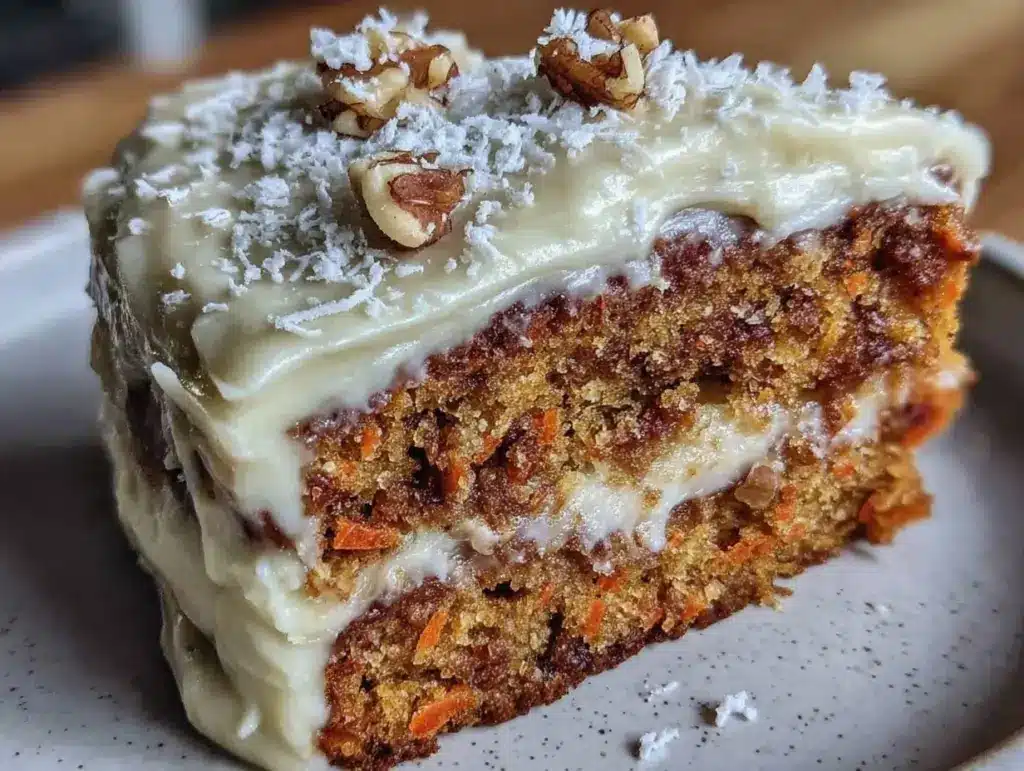
I made the moist carrot cake with brown butter frosting that Tuesday evening. I watched the milk solids turn amber in the pan, smelled that incredible nutty aroma fill my kitchen, and waited for the butter to cool. When I finally frosted the cake and took a bite, I nearly cried. The cake was impossibly moist—thanks to a specific ratio of oil to sugar and the way I grated the carrots. But the frosting? It was light, airy, and had this sophisticated, toasted depth that made every bite feel special. It wasn’t just sweet; it was complex.
This isn’t just another carrot cake recipe. This is the one that finally fixed the dry cake problem I’ve battled for years. The secret lies in that brown butter trick. It adds a layer of flavor that standard butter just can’t touch. If you’ve ever felt like your homemade cakes fall flat compared to bakery versions, this is your turning point. I’ve tested this version at least ten times, tweaking the spice blend and the frosting consistency, and this is the winner. It’s moist, it’s flavorful, and that frosting will make you question everything you thought you knew about cream cheese frosting.
Why You’ll Love This Moist Carrot Cake with Brown Butter Frosting
There are a million reasons to bake a carrot cake, but this specific version sticks around in your rotation for a few very practical reasons. It’s not just about taste; it’s about the experience of making it and the confidence you get from the result.
It Solves the Dryness Problem — Most carrot cakes dry out within 24 hours. This one stays moist for days. I tested this by wrapping a slice in plastic wrap and eating it four days later. It was still tender. The secret is using oil instead of all butter in the batter, plus the brown butter in the frosting which adds richness without heaviness.
The Flavor is Next Level — Standard carrot cake tastes like sweet carrots. This one tastes like autumn. The brown butter brings out a toasty, nutty note that pairs perfectly with the warm spices (cinnamon, ginger, nutmeg). It’s subtle but profound. You’ll notice it in every bite, and you won’t be able to explain exactly why it’s better than the last one you tried.
It’s Forgiving for Home Bakers — I know baking can be intimidating. If you overmix a sponge cake, it’s tough. If you undermix, it’s dense. This cake is forgiving. You can mix it by hand if you don’t have a stand mixer. You can use a box grater or a food processor for the carrots. It’s designed to work for busy weeknights or lazy weekends.
It Freezes Like a Dream — Unlike delicate meringues or custards, this cake freezes beautifully. I often bake it on Sunday, wrap it tightly, and freeze it. When I need a dessert for Wednesday dinner, I thaw it out. The texture remains intact, and the brown butter frosting actually tastes better after a day in the fridge as the flavors meld.
It’s Not Too Sweet — One of my biggest pet peeves with grocery store cakes is how cloyingly sweet they are. This recipe balances the sweetness of the cream cheese with the tang and the nuttiness of the brown butter. It’s a sophisticated sweetness that adults love and kids don’t find overwhelming.
This is my go-to when I need to impress guests without spending hours in the kitchen. It’s reliable, it’s delicious, and it’s finally the carrot cake I’ve always wanted to make.
Key Ingredients for Moist Carrot Cake with Brown Butter Frosting
Let’s talk about what goes into this cake. I’m not going to suggest fancy, hard-to-find ingredients. This is a home cook’s recipe. But a few specific choices make a huge difference in texture and flavor.
Carrots (4 cups, grated / ~450g) — Do not buy pre-shredded carrots. They are dry and lose their moisture. Buy fresh, large carrots and grate them yourself. I use the medium holes on a box grater. If you use a food processor, pulse it quickly so you get shreds, not mush. Freshly grated carrots release moisture as they bake, keeping the cake tender.
Vegetable Oil (1 cup / 240ml) — I use vegetable oil, but canola or light olive oil work too. Why oil and not butter? Oil stays liquid at room temperature, which keeps the cake moist for days. Butter solidifies when cool, leading to a denser, drier crumb. This is a non-negotiable for that bakery-style moistness.
Brown Butter (1 cup / 226g, cooled) — This is the star of the frosting. You start with unsalted butter, melt it, and cook it until the milk solids turn golden brown and smell nutty. Let it cool slightly before whipping. This adds that toasty depth you can’t get from regular butter. Bacon egg and cheese sliders also benefit from rich, flavorful fats, but here, the butter is the flavor profile.
Cream Cheese (16 oz / 450g) — Use full-fat, block cream cheese. Do not use the spreadable kind in a tub. It has higher water content and will make your frosting runny. Let it come to room temperature before mixing. Cold cream cheese creates lumps that are impossible to whip out.
Brown Sugar (1 cup / 200g) — Packed. Brown sugar adds moisture and a hint of molasses flavor that pairs beautifully with carrots and cinnamon. It also helps keep the crumb soft.
Spices (2 tsp cinnamon, 1 tsp ginger, 0.5 tsp nutmeg) — Fresh spices make a world of difference. If your spices are from a jar in the back of your cupboard from 2019, toss them. Buy fresh ground cinnamon if you can. The aroma will fill your house, and the flavor will be vibrant, not dusty.
Walnuts (1 cup, chopped / ~100g) — Optional, but highly recommended. Toast them lightly in a dry pan for 2-3 minutes before adding to the batter. This wakes up the oils in the nuts and adds a crunch that contrasts with the soft cake.
Tools Needed
You don’t need a professional kitchen to make this. Here’s what I use, and what you can swap if you don’t have it.
Two 8-inch Round Cake Pans — I prefer 8-inch pans over 9-inch because the cake layers are taller and more substantial. Grease them well and line the bottoms with parchment paper. This ensures easy release.
Box Grater or Food Processor — For the carrots. If you use a food processor, use the shredding disk. Be careful not to over-process.
Small Saucepan — For browning the butter. A light-colored pan is best so you can see the color change. A stainless steel or non-stick pan works well.
Stand Mixer or Hand Mixer — For the frosting. Whipping brown butter and cream cheese by hand is possible but tiring. A mixer makes it light and fluffy in minutes.
Wire Rack — Let the cakes cool completely before frosting. If you frost a warm cake, the butter will melt and the frosting will slide off.
Cooking Instructions
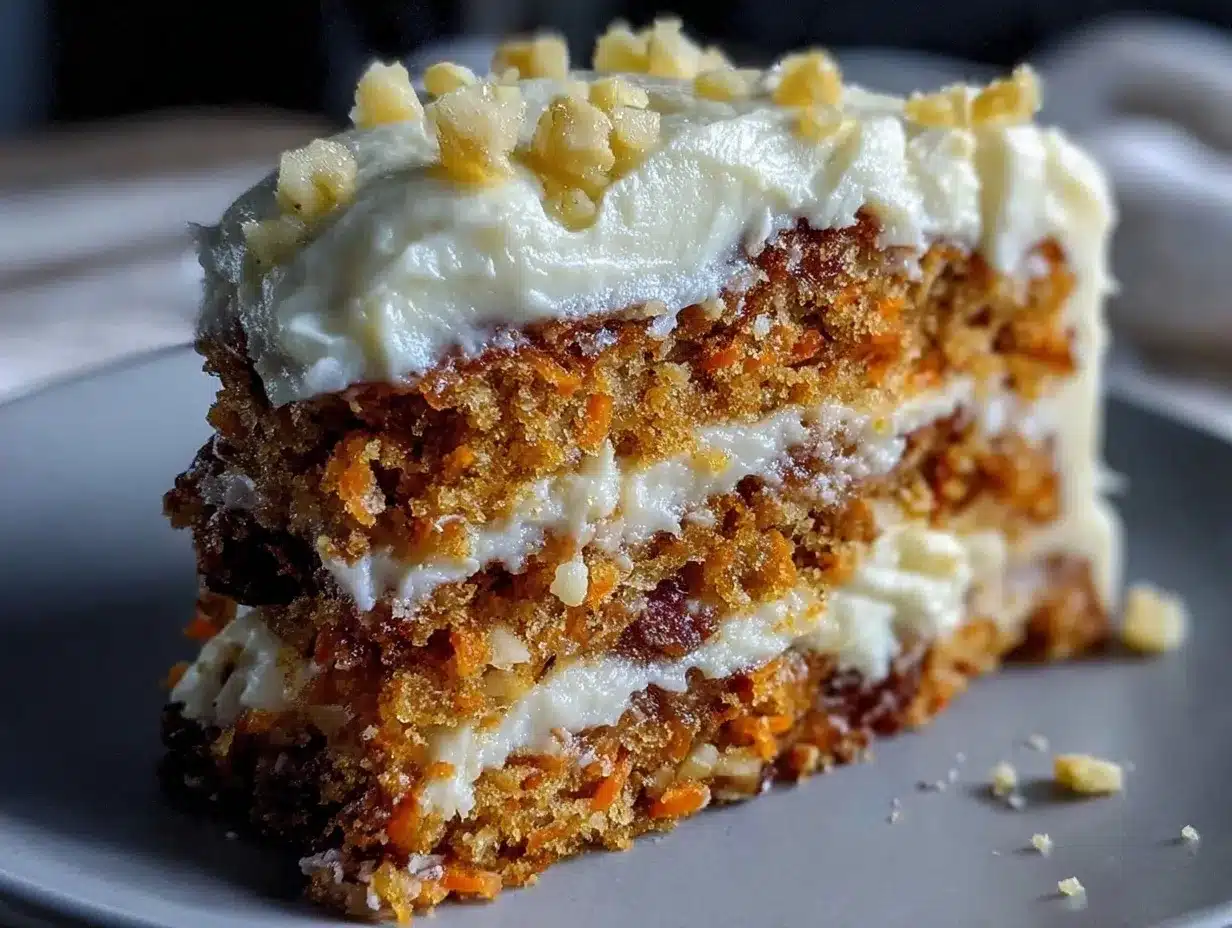
Let’s get baking. This process is straightforward, but timing matters. Here is exactly how I make my moist carrot cake with brown butter frosting.
Step 1: Prep the Oven and Pans (5 minutes)
Preheat your oven to 350°F (175°C). Grease two 8-inch round cake pans with butter or cooking spray. Line the bottoms with parchment circles. This is crucial. Even if you grease the pans, the parchment guarantees the cake won’t stick. Set aside.
Step 2: Mix the Dry Ingredients (5 minutes)
In a medium bowl, whisk together 2 cups (250g) all-purpose flour, 2 tsp baking soda, 1 tsp baking powder, 1 tsp salt, 2 tsp cinnamon, 1 tsp ground ginger, and 0.5 tsp nutmeg. Whisking aerates the flour and distributes the leavening agents evenly. This prevents dense spots in your cake. Set aside.
Step 3: Mix the Wet Ingredients (5 minutes)
In a large bowl, whisk together 1 cup (240ml) vegetable oil, 1.5 cups (300g) granulated sugar, and 1 cup (200g) packed brown sugar. Whisk vigorously for about 2 minutes. You want the sugar to dissolve slightly into the oil. This creates a emulsion that helps bind the cake. Add 4 large eggs, one at a time, whisking well after each addition. Add 1 tsp vanilla extract. Whisk until smooth and glossy.
Step 4: Combine Wet and Dry (3 minutes)
Add the dry ingredients to the wet ingredients. Use a spatula to fold them together. Stop as soon as no streaks of flour remain. Do not overmix. Overmixing develops gluten, which makes the cake tough. Gently fold in the 4 cups of grated carrots and 1 cup of toasted walnuts. The batter will be thick and heavy. This is normal.
Step 5: Bake (30-35 minutes)
Pour the batter evenly into the prepared pans. Bake for 30-35 minutes. Check at 30 minutes. Insert a toothpick into the center. If it comes out clean or with a few moist crumbs, it’s done. If it has wet batter, give it 2-3 more minutes. Do not overbake. The cake continues to cook slightly after coming out of the oven.
Step 6: Cool Completely (1 hour)
Let the cakes cool in the pans for 10 minutes. Then, turn them out onto a wire rack to cool completely. This is the hardest part. You need the cakes to be 100% cool before frosting. If they are even slightly warm, the brown butter frosting will melt. Patience pays off.
Step 7: Make the Brown Butter Frosting (20 minutes)
This is where the magic happens. In a small saucepan, melt 1 cup (226g) unsalted butter over medium heat. Swirl the pan constantly. The butter will foam, then crackle. Watch for the milk solids to turn golden brown at the bottom. It will smell nutty, like hazelnuts. This takes about 5-7 minutes. Remove from heat immediately and pour into a heatproof bowl. Let it cool to room temperature. It should be liquid but not hot.
Once the butter is cool, beat 16 oz (450g) room temperature cream cheese and 1/2 cup (60g) powdered sugar in a stand mixer on medium-high until smooth. Scrape down the bowl. Slowly add the cooled brown butter. Beat on high for 3-4 minutes until the frosting is light, fluffy, and pale golden. It will look slightly different from standard white frosting—it’s creamier and more substantial.
Step 8: Assemble (10 minutes)
Place one cake layer on your serving plate. Spread a generous layer of frosting on top. Place the second layer on top. Frost the top and sides with the remaining frosting. Decorate with additional walnuts or a dusting of cinnamon if you like. Slice and serve.
Total time: About 2 hours, mostly cooling. Active time: 45 minutes.
Expert Tips
Here’s everything I learned from making this too many times so you don’t have to make the same mistakes.
Don’t Skip the Brown Butter Cooling
I made this mistake early on. I added warm brown butter to the cream cheese, and the frosting turned into soup. It separated and looked terrible. I had to start over. Always let the brown butter cool to room temperature. You can speed this up by putting the bowl in the fridge for 15 minutes, but don’t let it solidify.
Grate Carrots, Don’t Puree Them
Some recipes call for carrot puree. I tried it. The texture was too dense and gummy. Grated carrots provide structure and pockets of moisture. If you use a food processor, pulse it. You want shreds, not juice.
Room Temperature Ingredients Matter
For the frosting, cold cream cheese is the enemy. It creates lumps. Take your cream cheese out of the fridge 30 minutes before you start. If you’re in a hurry, microwave it in 5-second bursts, but be careful not to melt it.
Toast Your Nuts
Raw walnuts are fine, but toasted walnuts are better. Toast them in a dry skillet over medium heat for 3-4 minutes, shaking the pan frequently. They’ll smell fragrant and look slightly darker. Let them cool before adding to the batter.
Common Problems & Solutions
Frosting is too thin: If your frosting is runny, put the bowl in the fridge for 10-15 minutes and whip again. The brown butter might have been too warm.
Cake is dense: You likely overmixed the batter. Fold gently. Also, check your baking soda. If it’s old, it won’t leaven properly.
Recipe Variations
Once you’ve nailed the basic version, here’s how to mix it up.
Pineapple Addition
Add 1/2 cup of crushed pineapple (drained well) to the batter. This is a classic variation. It adds extra moisture and a tangy sweetness. Drain the pineapple in a sieve for 10 minutes before adding.
Coconut Variation
Add 1 cup of toasted coconut flakes to the batter and the frosting. This gives it a tropical twist. The toasted coconut adds a nice crunch.
Cream Cheese Filling
Instead of just frosting the layers, add a layer of plain cream cheese filling between the cakes. Mix 4 oz cream cheese with 2 tbsp powdered sugar and 1 tsp vanilla. Spread this between the layers before adding the brown butter frosting on top.
Gluten-Free Option
Substitute the all-purpose flour with a 1:1 gluten-free flour blend. I’ve tested this with almond flour banana bread techniques, and a 1:1 blend works well here. Add 1/2 tsp xanthan gum if your blend doesn’t have it.
Vegan Option
This is trickier because of the butter and cream cheese. Use vegan butter and vegan cream cheese. Note that vegan butter has a higher water content, so you may need to chill the frosting longer. The flavor will be different but still delicious.
Serving & Storage
Serving: This cake is rich. Serve it in small slices. It pairs beautifully with a cup of black coffee or a glass of cold milk. For a party, I often serve it with a side of raspberry almond crumb coffee cake for variety, but honestly, this carrot cake is a showstopper on its own.
Storage: Store the cake in an airtight container in the refrigerator for up to 5 days. The cold helps set the frosting. Bring slices to room temperature for 15 minutes before serving for the best texture.
Freezing: This cake freezes beautifully. Wrap the unfrosted cake layers tightly in plastic wrap and foil. Freeze for up to 3 months. Thaw overnight in the fridge. Frost when ready to serve. The brown butter frosting holds up well in the freezer.
Nutrition Information
I’m not a nutritionist, but here’s the breakdown per slice (assuming 12 slices).
| Nutrient | Amount |
|---|---|
| Calories | 480 |
| Protein | 6g |
| Carbs | 55g |
| Fiber | 2g |
| Fat | 28g |
| Sodium | 350mg |
My Take: This is indulgent comfort food. It has cream cheese, butter, and sugar. It’s not diet food. But it’s better than takeout, and you know exactly what’s in it. The carrots add some fiber, but enjoy it as a special treat.
Final Thoughts
Making a moist carrot cake with brown butter frosting is one of those culinary wins that makes you feel like a pro. It’s not hard, but the result is impressive. The brown butter trick is the game-changer—it adds a depth of flavor that elevates the entire dessert. I hope you try this recipe and love it as much as I do. If you do, drop a comment! I love hearing how it turns out in your kitchen. And if you need more dessert inspiration, check out my crispy Belgian waffles for a weekend brunch idea.
Happy cooking!
FAQs
Can I use canned carrots?
No. Canned carrots are too soft and watery. They will make the batter soggy. Always use fresh carrots.
Why did my frosting separate?
This usually happens if the brown butter was too hot when added to the cream cheese. Always cool the brown butter to room temperature before whipping. If it separates, chill the bowl for 10 minutes and whip again.
Can I make this a sheet cake?
Yes. Pour the batter into a 9×13 inch greased pan. Bake for 35-40 minutes. You’ll need about 1.5x the frosting recipe for a sheet cake.
Can I freeze the unfrosted cake?
Absolutely. Wrap it tightly in plastic and foil. Freeze for up to 3 months. Thaw in the fridge overnight before frosting.
What spice can I substitute for nutmeg?
You can use allspice or cardamom instead. Start with 0.25 tsp and adjust to taste. Nutmeg is classic, but allspice works well too.
Why is my cake sinking in the middle?
This usually means the cake was underbaked or the oven temperature was too high. Check with a toothpick. If it comes out clean, it’s done. Also, avoid opening the oven door too early in the baking process.
Pin This Recipe!
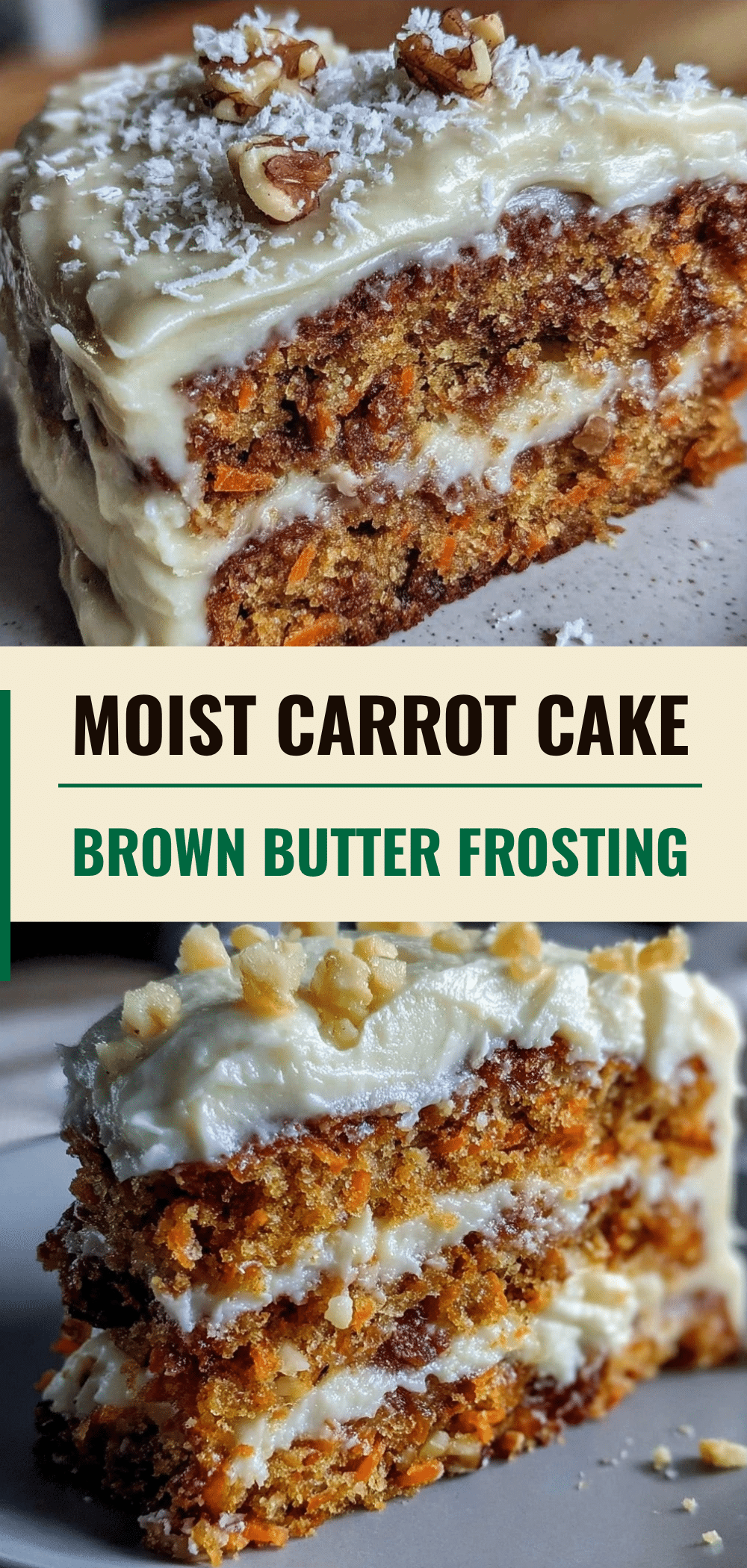
Moist Carrot Cake with Brown Butter Frosting
- Total Time: 2 hours
- Yield: 12 servings 1x
Description
A deeply moist carrot cake featuring a rich, nutty brown butter cream cheese frosting that solves the common dryness problem found in traditional recipes.
Ingredients
- 4 cups grated fresh carrots (~450g)
- 1 cup vegetable oil (240ml)
- 1.5 cups granulated sugar (300g)
- 1 cup packed brown sugar (200g)
- 4 large eggs
- 1 tsp vanilla extract
- 2 cups all-purpose flour (250g)
- 2 tsp baking soda
- 1 tsp baking powder
- 1 tsp salt
- 2 tsp ground cinnamon
- 1 tsp ground ginger
- 0.5 tsp nutmeg
- 1 cup chopped walnuts (toasted, ~100g)
- 1 cup unsalted butter (226g) for frosting
- 16 oz full-fat block cream cheese (450g) for frosting
- 1/2 cup powdered sugar (60g) for frosting
Instructions
- Preheat oven to 350°F (175°C). Grease two 8-inch round cake pans and line bottoms with parchment paper.
- In a medium bowl, whisk together flour, baking soda, baking powder, salt, cinnamon, ginger, and nutmeg.
- In a large bowl, whisk vegetable oil, granulated sugar, and brown sugar vigorously for 2 minutes. Add eggs one at a time, whisking well after each. Stir in vanilla.
- Fold dry ingredients into wet ingredients until just combined. Do not overmix. Gently fold in grated carrots and toasted walnuts.
- Divide batter evenly between prepared pans. Bake for 30-35 minutes or until a toothpick inserted in the center comes out clean.
- Cool cakes in pans for 10 minutes, then turn out onto a wire rack to cool completely.
- For frosting, melt butter in a small saucepan over medium heat until milk solids turn golden brown and smell nutty (5-7 minutes). Pour into a heatproof bowl and cool to room temperature.
- Beat cream cheese and powdered sugar in a stand mixer until smooth. Slowly add cooled brown butter and beat on high for 3-4 minutes until light and fluffy.
- Place one cake layer on a serving plate, spread frosting on top, add second layer, and frost top and sides with remaining frosting.
Notes
Do not use pre-shredded carrots as they are dry. Ensure brown butter is completely cooled to room temperature before adding to cream cheese to prevent separation. Cake stays moist for days and freezes well.
- Prep Time: 45 minutes
- Cook Time: 35 minutes
- Category: Dessert
- Cuisine: American
Nutrition
- Serving Size: 1 slice
- Calories: 480
- Sugar: 45
- Sodium: 350
- Fat: 28
- Saturated Fat: 12
- Carbohydrates: 55
- Fiber: 2
- Protein: 6
Keywords: carrot cake, brown butter frosting, moist carrot cake, cream cheese frosting, baking, dessert, walnut cake